

BYD pulled the wraps off the third-generation Tang at the 2026 Chengdu Auto Show on August 21 — a large five-seat “tech flagship” SUV — a promise BYD left deliberately unfinished: one more “disruptive technology” it says is still under wraps.
The author of this website photographed a set of images on location at the Chengdu Auto Show, as shown in the gallery below.
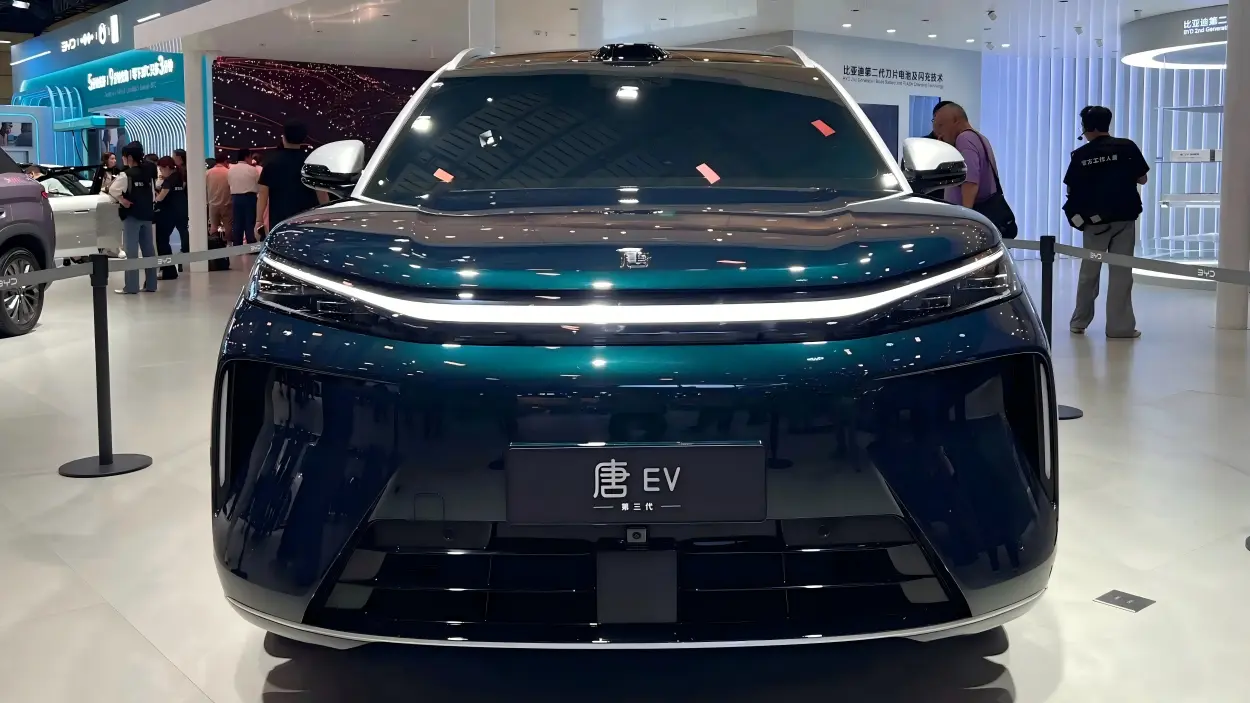
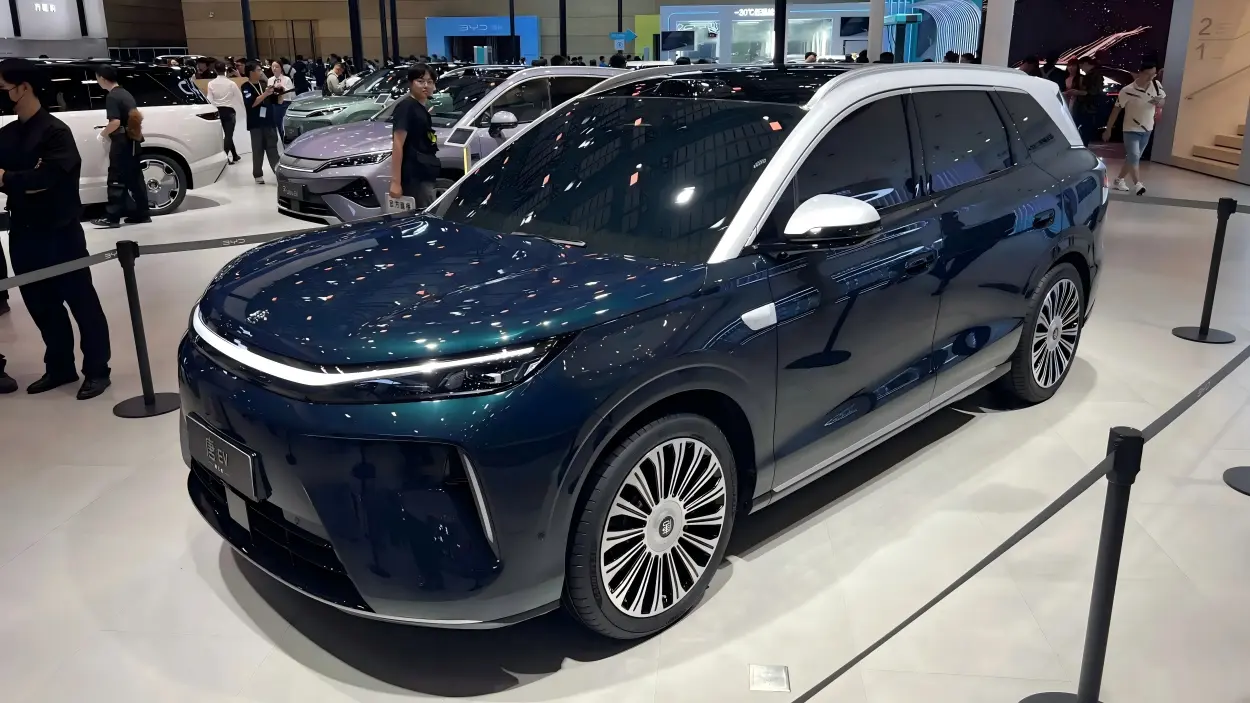
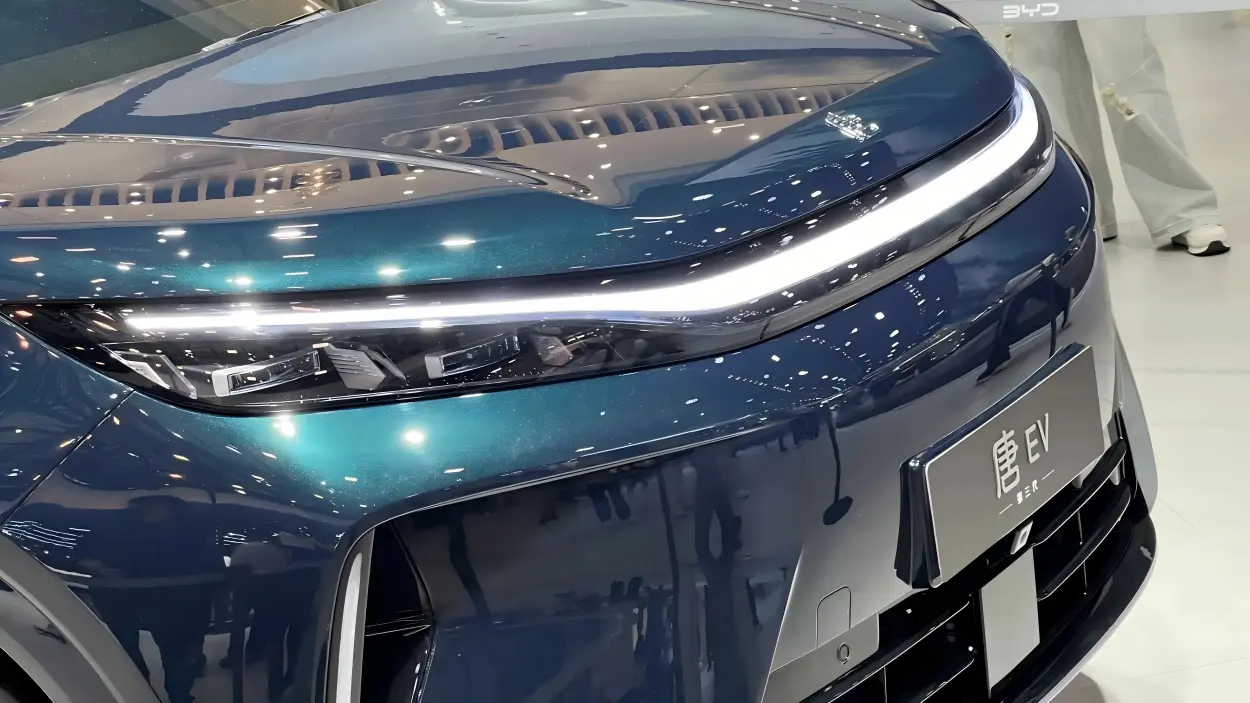
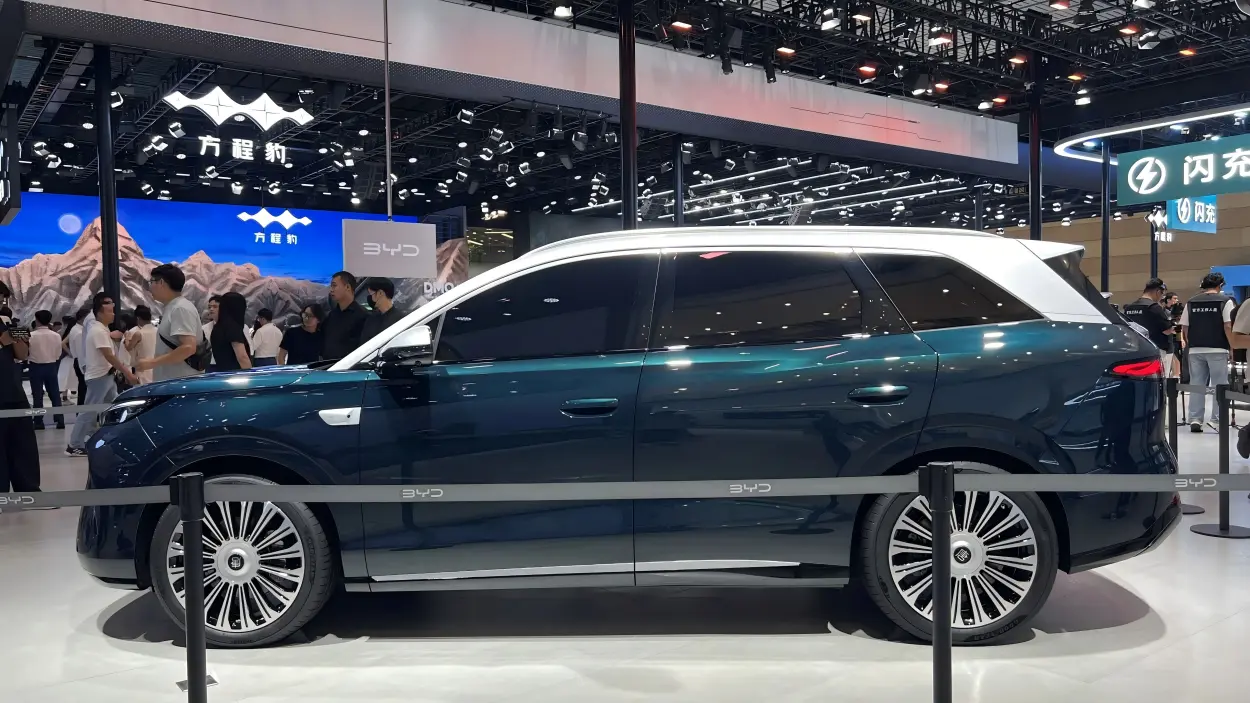
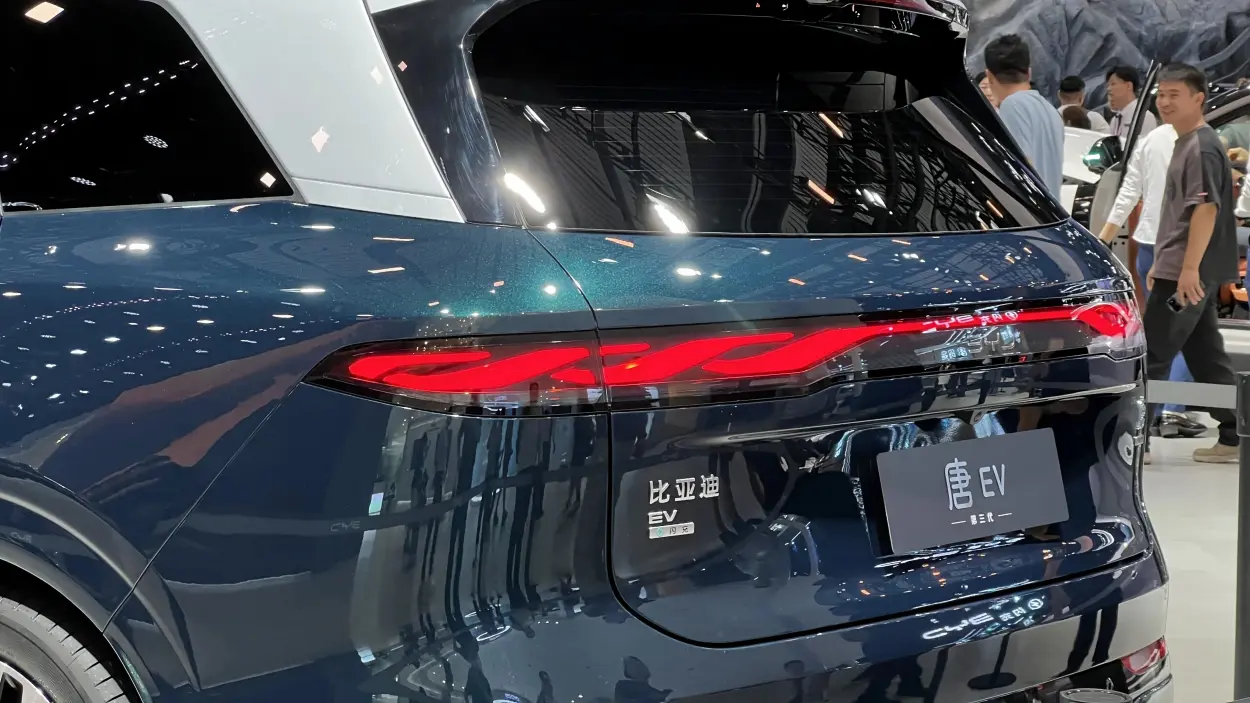
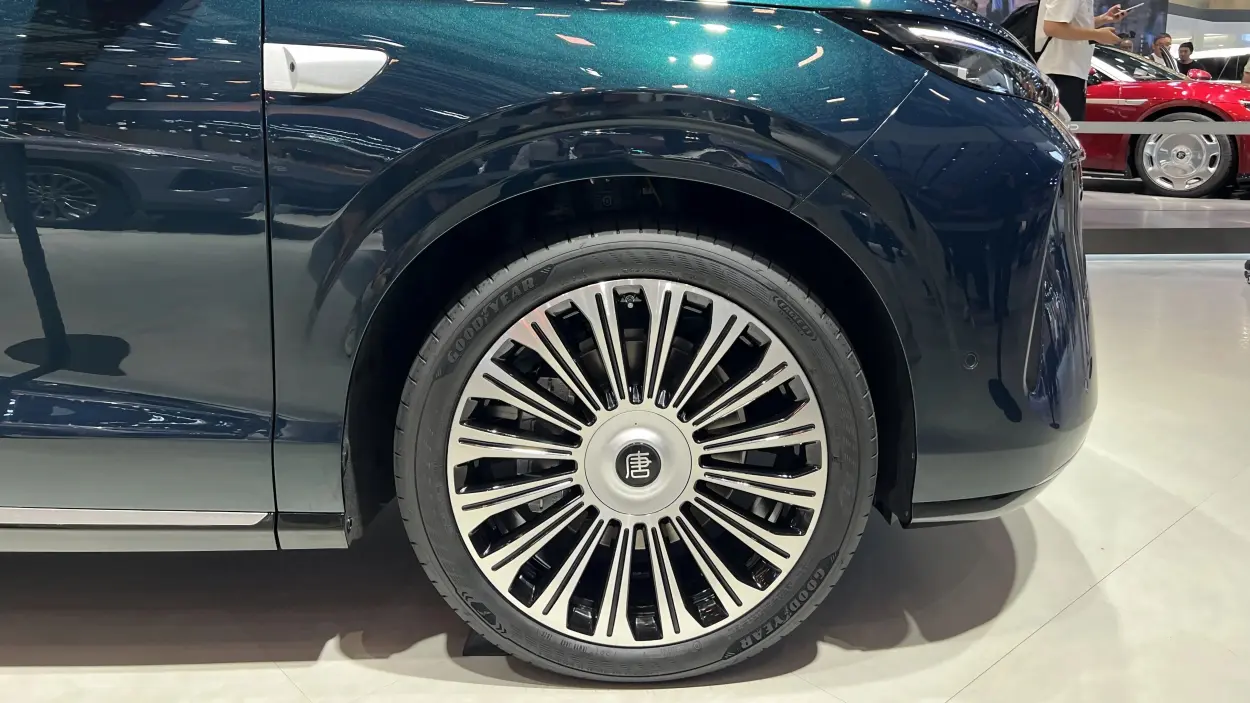
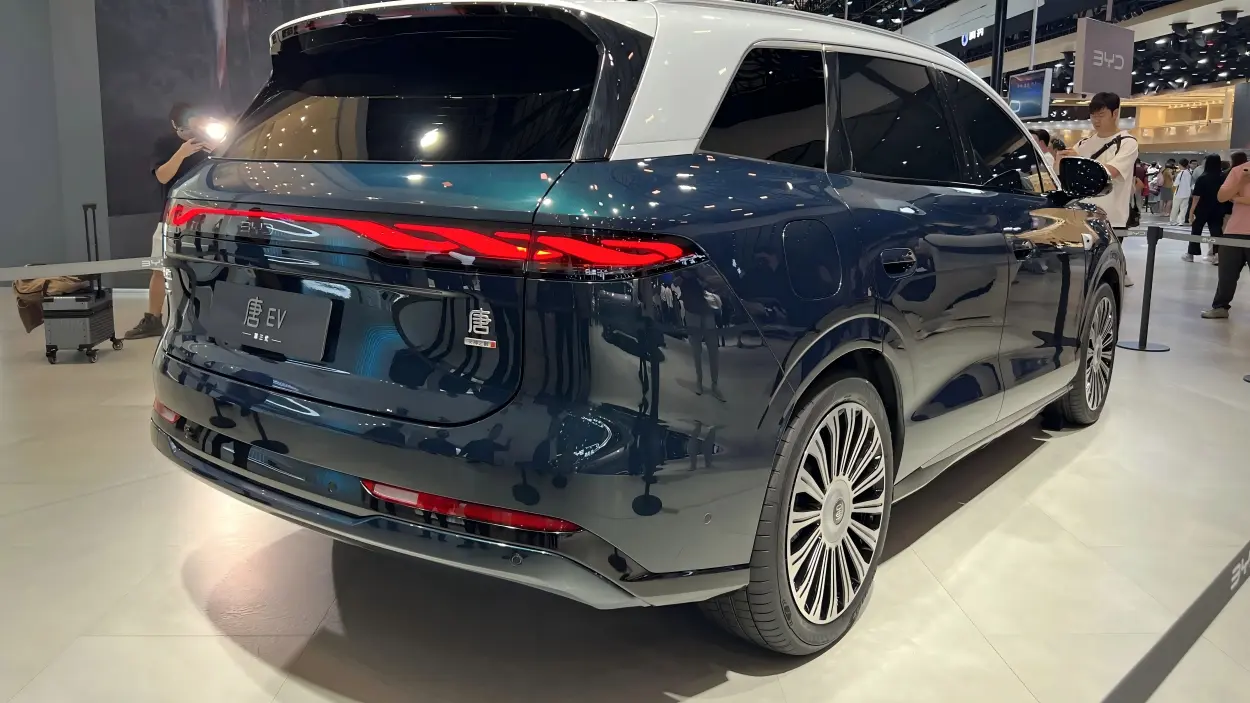
Image source: Photographed on site by the author of this website
What the third-generation Tang is — and isn’t
Internally coded the “8-series Tang,” the new model is positioned as a large five-seat technology flagship. Critically, it is not a replacement for the Tang L. BYD used the Chengdu stage to lock in a dual-flagship Tang architecture: the Tang L (Da Tang) stays a seven-seat full-size SUV for multi-child families and business use, while the third-generation Tang focuses on the large five-seat segment for urban, upgrade-minded households. Both share the same flagship hardware standard — the first time the Tang nameplate has run a “seven-seat plus large five-seat” parallel matrix.
BYD says the third-generation Tang will launch in the fourth quarter of 2026. Chinese media pegs expected pricing at 200,000–250,000 yuan (roughly $27,600–$34,500).
Dimensions and the space argument
The body measures 5,045 mm long, 1,980 mm wide and 1,740 mm tall (some sources cite 1,760 mm), on a 2,950 mm wheelbase — the same wheelbase as the Tang L. Because the layout skips the third row, the chassis was retuned to free up the second row: legroom exceeds 1,000 mm, well above the 850–900 mm typical of large SUVs, and the backrest reclines to a maximum 130 degrees — 10 degrees more than business-class airline seats.
The Stellar dual-screen cabin
The headline interior move is an industry-first “Stellar dual screen” (星际双屏). A 35.4-inch integrated far-end star-ring display replaces the conventional instrument cluster and head-up display, showing speed, navigation, battery and road conditions with customizable modules. Below it sits a single 30-inch seamless panoramic screen — one uninterrupted panel rather than the stitched multi-screen arrays common elsewhere — that turns the cabin into an IMAX-like rear lounge in park.
Chassis, battery, charging and driver assistance
The third-generation Tang keeps the Tang line’s handling DNA: DiSus-A dual-chamber air suspension, a front double-wishbone and rear five-link setup, and intelligent all-wheel drive that reads road state and shuffles torque to cut slip on wet, gravelly or steep surfaces.
Power comes from the second-generation Blade Battery, with CLTC range up to 850 km. Flash charging is aggressive: 10% to 70% in five minutes and to 97% in nine minutes at normal temperature, adding only about three minutes even in extreme cold. The pure-electric drivetrain uses a 300 kW rear motor and tops out at 250 km/h; battery packs of 88.682 kWh and 105.792 kWh yield CLTC figures of 730 km, 830 km and 850 km.
Every variant gets God’s Eye B (LiDAR) driver assistance, covering city and highway navigation and automated parking. Exterior cues include a roof LiDAR, semi-hidden door handles, optional 20- and 21-inch wheels and two-tone paint.
The undisclosed “disruptive technology”
At the unveiling, BYD said the third-generation Tang still hides one more disruptive technology that has not been revealed and will be unveiled later. The tease fits the Tang lineage: the first generation broke through with the “542” performance formula, the second with Dragon Face design, DM-i hybrid and the original Blade Battery. BYD is keeping the specifics under wraps for now — what the technology is remains unconfirmed.
BYD third-generation Tang: frequently asked questions
When did the third-generation BYD Tang debut?
It debuted on August 21, 2026, at the Chengdu Auto Show. BYD has not yet confirmed the exact on-sale date beyond a Q4 2026 launch window.
What is the expected price of the third-generation Tang?
Chinese media pegs expected pricing at 200,000–250,000 yuan (roughly $27,600–$34,500). Official pricing will be confirmed closer to the Q4 2026 launch.
What is the third-generation Tang’s range?
CLTC range reaches up to 850 km, from battery packs of 88.682 kWh and 105.792 kWh yielding 730 km, 830 km and 850 km variants.
How fast does the third-generation Tang charge?
Flash charging takes 10% to 70% in five minutes and to 97% in nine minutes at normal temperature, adding only about three minutes even in extreme cold.
Is the third-generation Tang a replacement for the Tang L?
No. It runs as a parallel dual-flagship with the Tang L: the Tang L stays a seven-seat full-size SUV, while the third-generation Tang is a large five-seat model focused on urban, upgrade-minded households.
The Bottom Line
BYD’s third-generation Tang debuted at Chengdu with 850 km of range, a first-in-industry Stellar dual-screen cabin and DiSus-A air suspension, locking in a dual-flagship Tang family with the Tang L. One undisclosed “disruptive technology” remains teased for later — but the revealed package is already a full-size five-seat statement.
Sources & Further Reading
- The Paper — Third-generation Tang Chengdu debut, dual-flagship strategy
- CNR — Dynasty dual-flagship premiere (Da Han + Tang)
- Sina Auto — Tang specs, dimensions and ADAS
- Related: BYD second-generation Blade Battery teardown
- Related: BYD megawatt flash-charging architecture
- Related: BYD Da Han EV opens pre-sale at Chengdu