

Xiaomi has started hiring in Sydney, and the two job adverts say more about its export plan than any of its product launches. The roles — a senior legal counsel for the Australian automotive business and a manager for international instalment finance across Asia-Pacific — sit under Xiaomi Technology and are the first operational footprint for a Xiaomi right-hand drive programme the company has timetabled for the first half of 2028. Europe comes first, in the second half of 2027. The reason for both dates is visible in the domestic numbers: the YU7, Xiaomi’s second model, sold 39,089 units in December 2025 and 11,820 in September 2026.
What Two Job Adverts Actually Signal
Neither role is an engineering job, and that is the point. The legal counsel covers vehicle sales, after-sales operations, contracts and regulatory engagement in Australia. The finance role covers instalment products across APAC, plus work with banks and leasing institutions on pricing, residual values and performance analysis.
Those are the two functions a car company needs before it can put metal in a showroom: someone to sign off on regulatory and contractual risk, and someone to work out how customers pay and what the car is worth in three years. Xiaomi is not hiring engineers in Sydney because it is not building the car there. It is standing up a sales entity.
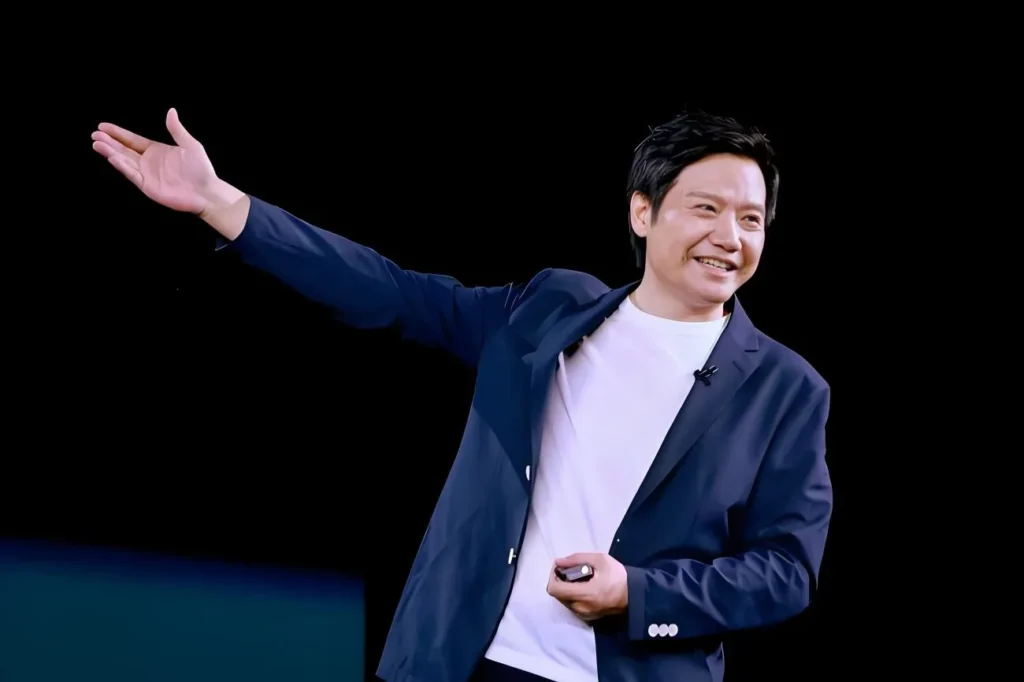
The timeline comes from Xiaomi’s April 2026 Investor Day, when president Lu Weibing set out the sequence: Europe in the second half of 2027, right-hand-drive markets in the first half of 2028. Australian outlets reported in the past fortnight that a local showroom arrival in 2028 was likely; the job listings are the first company-side confirmation that the work has started.
The Xiaomi Right-Hand Drive Programme Is Not a Mirror Image
Converting a left-hand-drive car for right-hand-drive markets is not moving the steering wheel across the dashboard. Depending on the architecture, makers have to rework steering and pedal assemblies, dashboard packaging, wiring, HVAC components — and then revalidate airbag positioning, occupant protection and driver-assistance systems, because a mirrored cabin changes who sits where relative to the sensors.
That cost only pays off if one programme can serve several markets, and here the geography is unusually friendly. Australia, the UK, Japan and New Zealand are all participants in the UN 1958 Agreement, the framework for harmonised vehicle technical regulations and reciprocal recognition of approvals. It is not a single licence — national requirements still differ — but it is the difference between engineering four cars and engineering one car four times.
Each of those markets also already has a Chinese-brand presence. Estimates for 2025 put Chinese brands at 16.7% of Australian sales, 32.4% in Thailand and 15% in South Africa; in the UK, Chinese-owned brands took 13.1% of registrations in the twelve months to mid-2026. Those figures come from different datasets and are not directly comparable, but the direction is consistent: Xiaomi would not be introducing the category.
Europe First, and Through Dealerships
The European entry is the template. At IFA in Berlin in September, Xiaomi signed memoranda of understanding with eight German dealer groups, including Emil Frey Germany, Ernst Dello, Autohaus Dinnebier, Hahn Automobile and LUEG Mobility. Those are MoUs, not dealership contracts, but they signal the model: franchised retail rather than company-owned stores.
That is a notable choice for a company whose entire brand was built on own-brand retail and direct customer relationships in China. Where Nio and Xpeng have opened branded stores in European cities, Xiaomi is outsourcing the last mile to established dealers — faster, cheaper, and with the trade-in and servicing infrastructure already in place, at the cost of controlling the showroom experience.
Japan has been signalled separately: the SU7 Ultra appeared in Tokyo in 2025 and Xiaomi’s local leadership discussed selling cars through commercial retail locations once right-hand-drive models exist. That is a different route again — consumer electronics retail rather than car dealers.
The Number That Explains the Timing
The YU7 launched in mid-2025 and collected more than 240,000 locked-in orders within 18 hours. That figure has been quoted ever since as evidence of extraordinary demand. It is better read as a measure of backlog.
At the model’s peak monthly delivery rate of 39,089 units in December 2025, 240,000 orders is about six months of production. Xiaomi spent the second half of 2025 delivering an order book, not selling to a market. By September 2026 the YU7 was at 11,820 units — 30% of the December figure, and down 47.2% year on year. Sales moved around in between, with rebounds in June and August, but the direction is unmistakable.
| YU7 in China | Figure |
|---|---|
| Locked orders, first 18 hours (mid-2025) | 240,000+ |
| Peak monthly deliveries (December 2025) | 39,089 |
| September 2026 deliveries | 11,820 |
| Change since the peak | −69.8% |
| Implied production covered by the launch order book | about 6.1 months (our arithmetic) |
None of this means Xiaomi is in trouble. Group deliveries are running above 50,000 a month across the range, and a model normalising after its launch surge is ordinary. But it does explain why an export programme that has been discussed for two years is now hiring in Sydney: the domestic order book that made export unnecessary has been worked off, and the next pool of demand is abroad.
What Xiaomi Has Not Said
Beyond the two adverts, the Xiaomi right-hand drive programme has disclosed almost nothing. There is no model line-up for Australia, no pricing, no retail arrangement and no service network plan. Neither the SU7 nor the YU7 has been confirmed for right-hand drive. Xiaomi has not said how much of the expanded Beijing plant’s nameplate capacity — about 300,000 units a year across two phases — would be allocated to exports, or whether right-hand-drive cars would be built in China or assembled elsewhere.
And the work that remains is the unglamorous kind: market-specific type approval, parts supply, warranty terms, residual-value setting and dealer training. The Sydney adverts are a signal that this has begun. They are not evidence that it will finish on schedule.
Author’s Take: The interesting thing about Xiaomi’s export plan is how ordinary it is turning out to be. A company that entered the car business with a direct-to-consumer model, a single flagship store format and a fanbase is now signing MoUs with German dealer groups and hiring a lawyer in Sydney — which is what every other carmaker does, and for good reason. The strategy is not the story. The timing is. Xiaomi spent 2025 delivering a 240,000-unit order book and called it demand; 2026 is showing what the underlying rate looks like, and it is a third of the peak. Right-hand-drive markets in 2028 is not an ambition, it is a schedule set by that arithmetic. The question worth watching is whether franchised dealers in Germany and a legal entity in Australia can move metal at a price Xiaomi’s cost base supports — because in China it never had to compete for a customer who had alternatives.
The Bottom Line: Xiaomi is hiring in Sydney for a Xiaomi right-hand drive programme timetabled for the first half of 2028, after a European launch in the second half of 2027 through eight German dealer groups. The YU7 fell from 39,089 units in December 2025 to 11,820 in September 2026, a 69.8% decline that coincides with the working-off of a 240,000-unit launch order book — about six months of production at peak rate. Xiaomi has confirmed no models, prices or retail plans for Australia.
Sources & Further Reading
- Xiaomi Technology job listings for Sydney, November 2026 — Senior Legal Counsel (Automotive), Australia, covering vehicle sales, after-sales, contracts and regulatory engagement; and Product Manager, International Instalment Finance, covering APAC instalment products, bank and leasing partnerships, pricing, residual-value management and performance analysis.
- Xiaomi Investor Day, April 2026 — president Lu Weibing’s expansion timetable: Europe in the second half of 2027, right-hand-drive markets in the first half of 2028.
- IFA Berlin, September 2026 — memoranda of understanding with eight German dealer groups including Emil Frey Germany, Ernst Dello, Autohaus Dinnebier, Hahn Automobile and LUEG Mobility. MoUs, not completed dealership contracts.
- YU7 order and delivery data — more than 240,000 locked-in orders within 18 hours of going on sale in mid-2025; 39,089 deliveries in December 2025; 11,820 in September 2026, down 47.2% year on year. The six-month backlog calculation is our arithmetic from those two figures.
- Chinese-brand market share estimates for 2025 — 16.7% in Australia, 32.4% in Thailand, 15% in South Africa, and 13.1% of UK registrations in the twelve months to mid-2026. Drawn from different datasets and periods; not directly comparable.
- UN Economic Commission for Europe — the 1958 Agreement on harmonised technical regulations and reciprocal recognition of approvals, of which Australia, the UK, Japan and New Zealand are participants.
- EVsays — Xiaomi’s European launch and the German dealer agreements — the distribution model this programme is built on.
- EVsays — the YU7 GT at the Nürburgring — the performance variant, and what Xiaomi is using it to prove.
- EVsays — Xiaomi’s stake in Sunwoda EVB and the Dragon Armor battery — the supply side of an export programme that will be judged on cost.
Notes: Xiaomi has not confirmed a model line-up, pricing, retail arrangements or a service network for Australia, and has not said whether right-hand-drive cars will be built in China or assembled elsewhere. The 2027 and 2028 dates come from the company’s April 2026 Investor Day and have not been restated since; the Sydney job listings are the first operational evidence that work has begun, not a confirmation of the schedule. The 69.8% decline and the six-month backlog figure are our calculations from published order and delivery numbers, and a model normalising after a launch surge is not in itself a sign of failure — group deliveries remain above 50,000 a month. Chinese-brand market-share estimates are drawn from different datasets and periods and are indicative only. The 300,000-unit annual nameplate refers to the two phases of the Beijing complex and is a capacity figure, not confirmed production or export allocation. EVsays holds no position in any company named. Corrections follow our correction policy; sourcing standards are set out in our editorial policy.