
The Big Picture
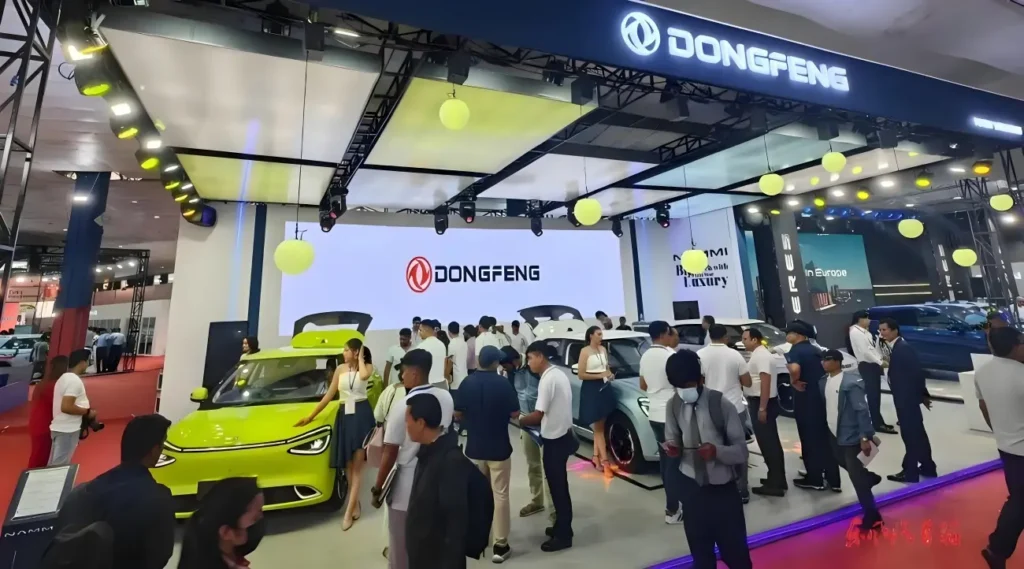
- Dongfeng Canada confirmed via Bloomberg: certifying vehicles, first 2 models next year. Distributor: North World Industry. Montreal showcase this week.
- 49,000-unit quota (Jan 2026 deal): 6.1% tariff instead of 106.1% — we covered this deal. So far only Tesla used it. Now 4 Chinese brands competing.
- The prize: Canadian manufacturing under USMCA = duty-free US access. Dongfeng already talking “longer-term” manufacturing.
1. The Plan
Dongfeng Canada: certifying vehicles now. Distributor North World Industry expects first 2 models 2027 — Vigo (Nammi 06) and Nammi Box 01. Montreal Old Port showcase this week. “Maybe next year we will be ready,” said Julie Mazorra Fernández.
2. Four Contestants for 49,000 Units
Canada-China deal (Jan 2026): 49,000 China-made EVs/year at 6.1% tariff. Currently:
- Geely’s Lotus — arriving this month, first China-owned brand under deal
- BYD — may start selling next year (Stella Li)
- Chery — hopes to use quota soon
- Dongfeng — certifying now, first models next year
Carney wants “wide variety of EVs.” But 49K units for four automakers collectively producing millions — not enough.
3. The Long Game: US Back Door
Dongfeng’s Canada play is about the US. USMCA allows Canadian-made vehicles duty-free entry — the same logic behind Leapmotor entering Mexico through Stellantis. Mazorra Fernández said manufacturing in Canada “could be longer-term.” Dongfeng already has JVs with Stellantis and Nissan globally. A Canadian JV would satisfy USMCA content rules, provide political cover, and potentially bypass connected-vehicle rules that banned Polestar from the US.
Author’s Take: The 49,000-unit quota is small. It’s a pilot — a controlled experiment in what happens when Chinese cars enter a Western market. The real prize is a North American manufacturing footprint qualifying under USMCA. BYD, Chery, Geely, and Dongfeng aren’t competing for 49,000 units. They’re competing to be the first to build an Ontario factory.
The Bottom Line
Dongfeng Canada is #4 in the queue. The quota is a foot in the door. The real play: Canadian manufacturing for US market access. First models arrive next year. They’re not supposed to sell in volume. They’re the calling card for a factory that doesn’t exist yet.