
The Big Picture
- China lithium battery tax: 2% from Sept 1, 2026, rising to 4% from Sept 1, 2027. Ends an 11-year tax exemption that ran since 2015. Lithium-ion, lithium primary, NiMH, and vanadium flow batteries all affected.
- Sodium-ion, solid-state, and fuel cells are exempt through Dec 31, 2028. These technologies were previously taxed at 4% — the policy now grants them tax-free status for the first time.
- Context: this follows the July removal of vehicle tax breaks for PHEVs. With NEV penetration above 50%, China is pulling back broad subsidies and replacing them with targeted technology incentives. Lithium is the past. Sodium and solid-state are the future — and the tax code now says so.
1. China Lithium Battery Tax: What the Policy Actually Does
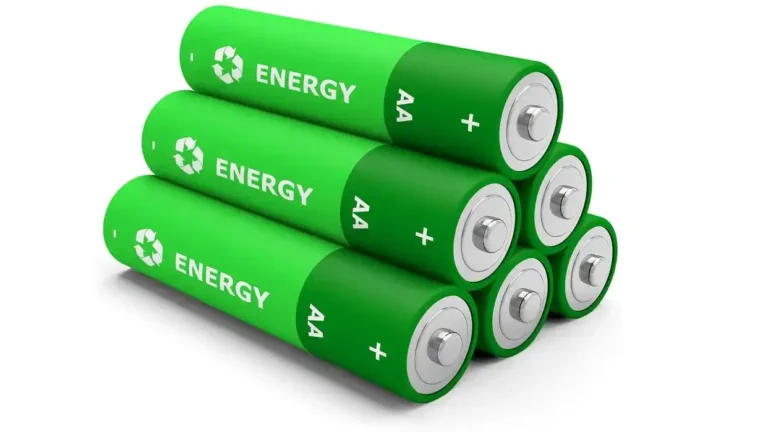
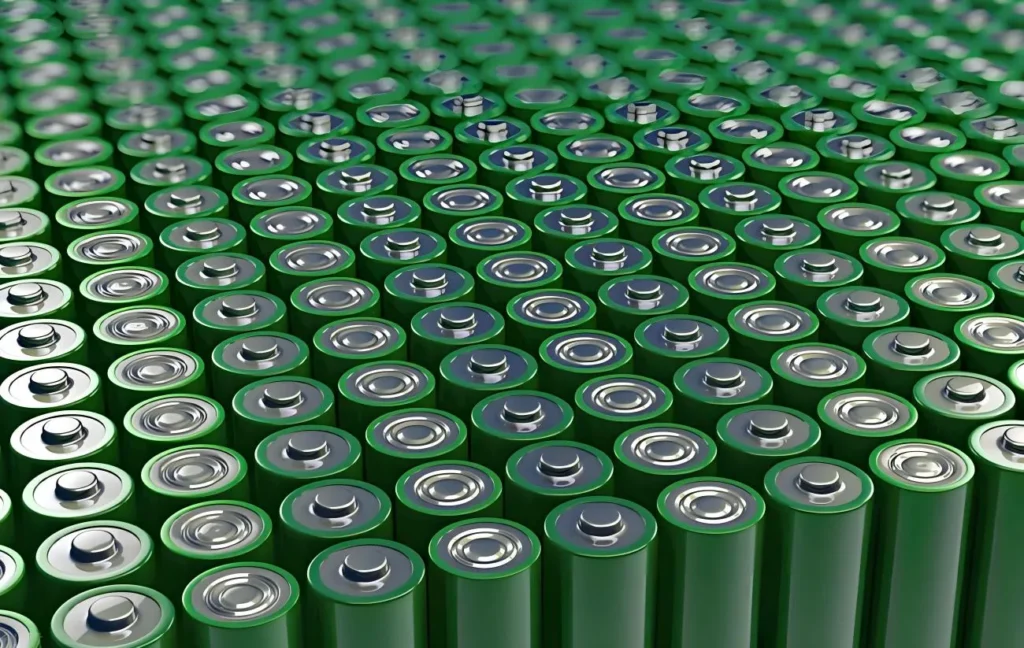
The China lithium battery tax is deliberately structured as a two-step escalation. Step one: 2% from September 1, 2026 — six weeks from now. Step two: 4% from September 1, 2027 — giving the industry roughly 13 months to adjust before the full rate hits. The affected categories are broad: lithium-ion batteries (EV power cells), lithium primary batteries, mercury-free primary batteries, nickel-metal hydride, and vanadium redox flow batteries. Photovoltaic cells get the same treatment, taxed at 2% from April 2027 and 4% from April 2028.
The revenue impact is secondary to the structural signal. China’s battery industry installed 335.6 GWh in H1 2026, up 12% YoY. A 2% consumption tax on that volume is meaningful — but the policy’s real function is to differentiate between technologies, not to raise government revenue. By taxing lithium while exempting sodium and solid-state, the government is embedding a cost differential directly into the battery supply chain. A lithium cell becomes 2-4% more expensive. A sodium cell does not. The market is being told which technology to invest in — not through subsidies, but through a tax difference.
2. The Timeline Is Not a Coincidence
Yesterday — July 16 — CATL signed a 5 GWh sodium battery deal with Alfen, its first GW-scale sodium export to Europe. Today — July 17 — China announces a consumption tax that makes lithium more expensive and sodium cheaper, effective in six weeks. The sequencing suggests coordination between industrial policy and commercial strategy. CATL is the world’s largest battery maker. It has a 40 GWh sodium factory under construction in Fujian. It has 65 GWh of sodium orders booked this year. The government just handed it a tax advantage that its lithium-dependent competitors do not share.
The exemption terms are also precisely calibrated. Sodium-ion, solid-state, and fuel cells are exempt only through December 31, 2028 — roughly 28 months. That’s enough time for the technology to reach commercial maturity, but not so long that it becomes a permanent subsidy. The message: move fast, because the window closes. CATL’s commercial sodium product is ready now. BYD and others are targeting solid-state vehicle installation around 2027. The tax window is designed to match the technology timeline.
3. The Bigger Picture: The End of Broad NEV Subsidies
This is the second major NEV tax adjustment in two weeks. On July 3, China announced that vehicle and vessel tax breaks for PHEVs and BEV commercial vehicles would end from 2027. The pattern is consistent: with NEV penetration at 54% of new car sales, the government is withdrawing blanket support and redirecting fiscal resources toward specific technologies — pure-electric passenger cars over PHEVs, next-generation batteries over lithium-ion.
The logic is straightforward. When NEVs were at 5% penetration, every electric vehicle was a policy success and deserved a tax break. At 54% penetration, the policy question is no longer “should China build EVs?” — it’s “which technologies should China build EVs with?” The lithium tax answers that question. Sodium and solid-state get the green light. Lithium gets the bill.
For CATL and BYD — the two companies with the most advanced sodium and solid-state programs — this is a competitive windfall. For smaller battery makers still dependent on lithium LFP and NCM chemistries, the tax introduces a margin squeeze that will accelerate consolidation. The policy doesn’t need to pick winners directly. The cost differential does it automatically.
Author’s TakeMost consumption taxes are designed to raise revenue or discourage consumption. This one is designed to pick technology winners.
A 2-4% tax on lithium batteries does almost nothing to government coffers — China’s battery industry is measured in hundreds of GWh, and the tax is applied at the cell level, not the vehicle level. But a 2-4% cost advantage for sodium and solid-state, compounded over an industry that operates on razor-thin margins, is enough to redirect billions in R&D and capital expenditure. The government didn’t ban lithium. It didn’t need to. It just made lithium the more expensive option and sodium the cheaper one. The market will do the rest.
The Bottom Line
China lithium battery tax: 2% now, 4% next year. Sodium and solid-state exempt. This isn’t a revenue measure. It’s a technology-forcing policy wrapped in a tax code. Eleven years after exempting lithium-ion to promote electrification, China is now taxing it to promote what comes next. The NEV transition is no longer about “more EVs.” It’s about “better batteries.” The tax code now agrees.