
The Big Picture
- XPeng X9 recall: 33,473 vehicles produced Aug 2023–Aug 2025. Front air spring leakage in hot and humid conditions. Recall begins Aug 28. Follows July 16 apology and warranty extension.
- MIIT factory inspections: Regulator entered GAC Aion and XPeng plants today, randomly sampled vehicles and power batteries, sent them for compliance testing. Follows July 17 meeting where MIIT told automakers to “resist irrational competition.”
- The pattern: CALB battery defects (July 14 Xinhua report) → MIIT meeting (July 17) → XPeng apology (July 16) → XPeng formal recall (July 24) → MIIT enters factories (July 24). The regulator is no longer just issuing standards. It’s walking the shop floor.
1. XPeng X9 Recall: What’s Happening
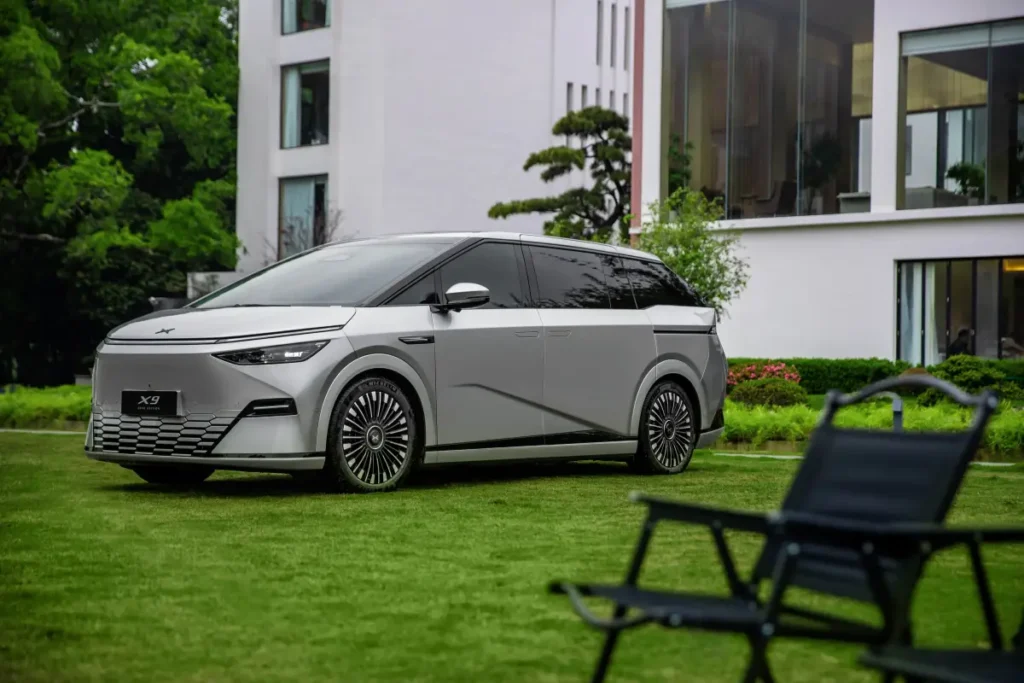
The XPeng X9 recall covers nearly every X9 produced in the model’s first two years — August 8, 2023, to August 11, 2025. The defect: reduced airtightness in the front air springs due to manufacturing process fluctuations. After prolonged use in hot and humid environments — like Chongqing, where temperatures hit 40°C and owners reported one-sided body sagging or complete suspension failure — the springs slowly leak. In extreme cases, the vehicle’s handling is affected.
The recall comes after a week of escalating pressure. On July 16, XPeng apologized and extended the front air spring warranty to 8 years or 160,000 km. Consumers immediately asked why a recall wasn’t being initiated for what was clearly a widespread, common failure. The recall answers that question. XPeng will replace the front air spring strut assemblies with improved parts free of charge. Some vehicles already have the updated components and won’t need a second replacement. The recall officially begins August 28.
The X9 is XPeng’s flagship MPV, launched in January 2024 with a BEV version, followed by an EREV version in November 2025. Cumulative deliveries reached 60,000 units as of June 25, 2026. The 33,473 vehicles in the recall represent more than half of total X9 production. This is not an edge case. It’s a systemic manufacturing failure affecting the majority of a flagship model’s production run.
2. MIIT Inspections: The Regulator Enters the Factory Floor
On the same day XPeng announced the formal recall, MIIT factory inspections were confirmed at two companies — and neither was random. GAC Aion is the automaker whose Aion S fleet has been experiencing CALB battery cell swelling and leakage. XPeng is the automaker whose flagship X9 has an air spring problem now requiring a 33,473-vehicle recall. The regulator selected the two companies currently facing the most visible quality crises and walked through their doors.
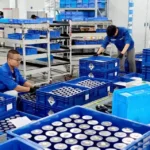
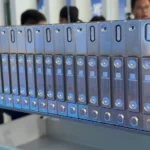
The inspection scope was broad: production access conditions, intelligent connected vehicle safety assurance, design and development capabilities, and production consistency. Inspectors randomly pulled vehicles and power batteries off the assembly line and sent them to external labs for national-standard compliance testing. The MIIT statement said it will “continue to organize supervisory inspections” and “deal seriously with companies found to have problems, firmly hold the bottom line of vehicle product safety, and effectively protect consumers’ legitimate rights and interests.” The language is bureaucratic. The action is not.
The inspections follow a July 17 MIIT meeting with key automakers — held one week before the factory visits — where the ministry explicitly told manufacturers to “systematically identify problems in production consistency, reliability, durability and new technology testing and validation, both in-house and at key parts suppliers.” That meeting happened three days after Xinhua’s CALB report. Now the inspections are on the ground. The timeline from standard-setting to enforcement is compressing.
3. The Pattern: From Standards to Enforcement in Three Weeks
China’s regulatory response to the industry’s quality problems is following a clear escalation path. July 1: the strictest-ever battery safety standards took effect — but only for new type approvals. July 14: Xinhua reported on CALB battery defects in GAC Aion S vehicles — a problem in the existing fleet, not new designs. July 17: MIIT held its meeting and a lithium battery consumption tax was announced. July 24: MIIT is inside the factories of the two companies at the center of the industry’s two most visible quality crises, pulling samples.
The speed of the escalation reflects a regulator that has run out of patience. The CALB defects and the XPeng air spring failures are different problems — one is a supplier cell issue, the other is a vehicle-level component issue — but they share a common root cause that regulators and industry observers have been flagging for months: compressed validation testing driven by competitive pressure. The Tianjin battery engineer who told Xinhua that CALB “may have drastically shortened validation testing time in a rush to grab market share” was describing a systemic industry behavior, not an isolated incident. The MIIT inspections are the regulator’s response: if companies won’t test their products adequately in the race to market, the regulator will test them instead — and the consequences of failing a government inspection are far more severe than a consumer complaint.
Author’s TakeThe X9 recall and the MIIT inspections are two halves of the same story. One is a company being forced by consumer pressure and regulatory expectation to fix a defect that should have been caught in validation testing. The other is a regulator signaling that it will no longer rely on companies to self-police their own quality.
The most important sentence in the MIIT’s statement is not about GAC Aion or XPeng. It’s the commitment to “continue to organize supervisory inspections.” The inspections are not a one-time response to two visible crises. They’re the beginning of a new enforcement posture. The battery safety standards of July 1 were about new vehicles. The lithium battery tax is about economic incentives. The factory inspections are about existing production — the vehicles being built today and sold tomorrow. China’s auto industry spent the last three years racing to scale. The regulator just told it that the race now has a referee on the factory floor.
The Bottom Line
XPeng X9 recall: 33,473 vehicles, air spring leakage, recall begins August 28. MIIT factory inspections: GAC Aion and XPeng, random sampling, regulator physically inside the plants. This is the same day, targeting the two companies at the center of the industry’s two most visible quality crises. One week after the CALB battery defects were made public. One week after MIIT told automakers to clean up their act. The standards took effect July 1. The enforcement arrived July 24. The gap between regulation and consequence is closing.
Sources & Further Reading
- CnEVPost — “XPeng recalls X9 electric MPVs in China” (July 24, 2026) — cnevpost.com
- CnEVPost — “MIIT inspects GAC Aion, XPeng plants” (July 24, 2026) — cnevpost.com
- Xinhua — Original CALB defect report (July 14, 2026) — news.cn