

Nine EV and DM-i trims, a 900V charging system that hits 70% in five minutes, and a 630 km (391-mile) top range — BYD’s value offensive moves up a class.
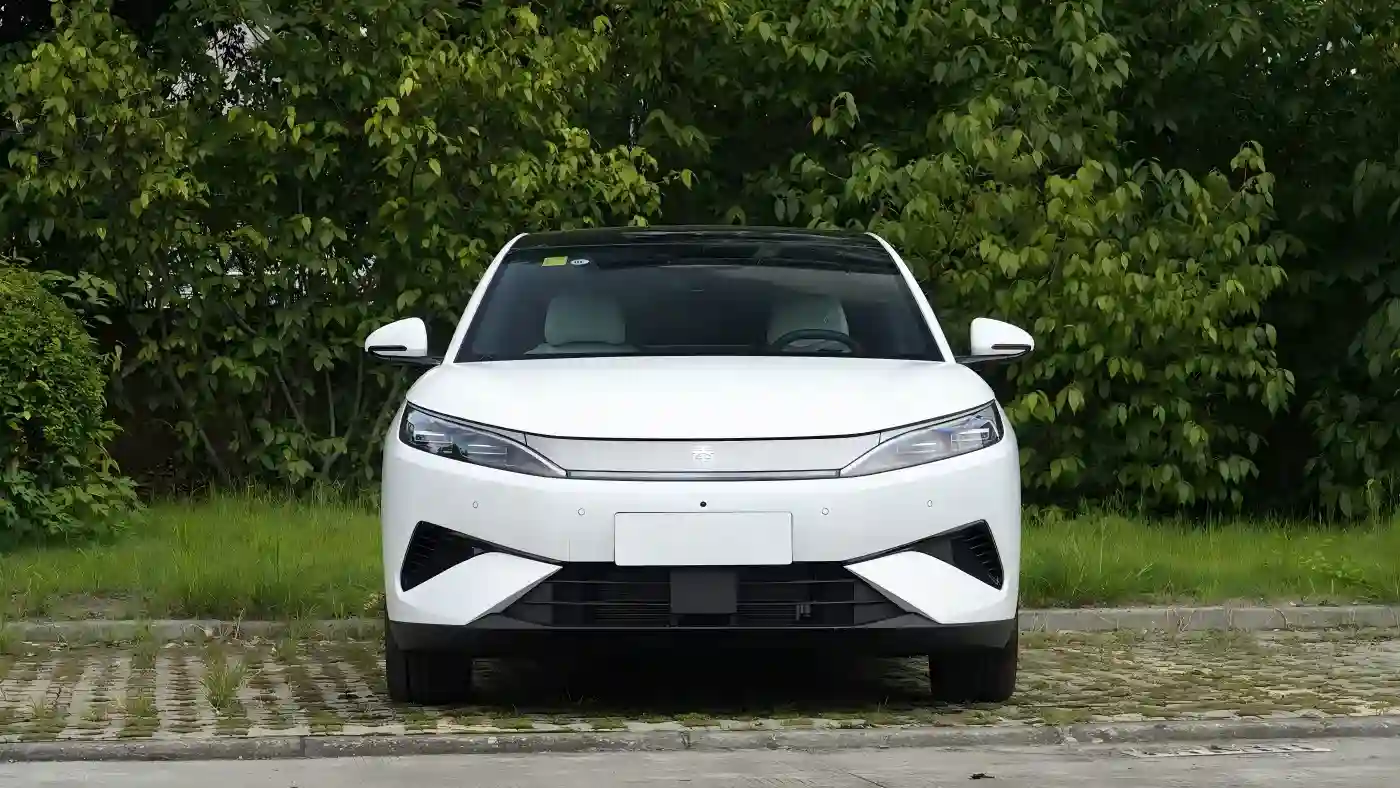
BYD put the Qin MAX on sale on August 13 at ¥99,900 (about $13,780) to start, across nine EV and DM-i trims.
The B-class sedan’s headline trick is a 900V flash-charging system that takes the battery from 10% to 70% in five minutes.
It is the “super-sized” edition of the Qin line, sitting above the Qin L and just under the Han.
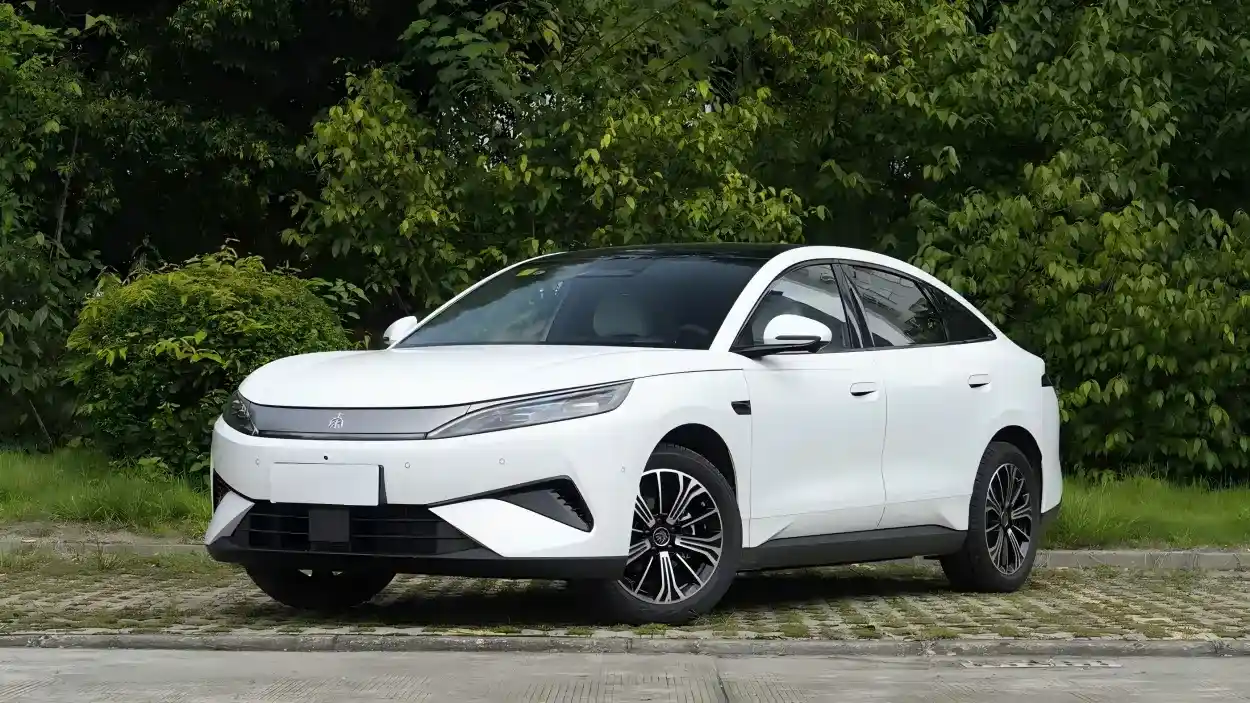
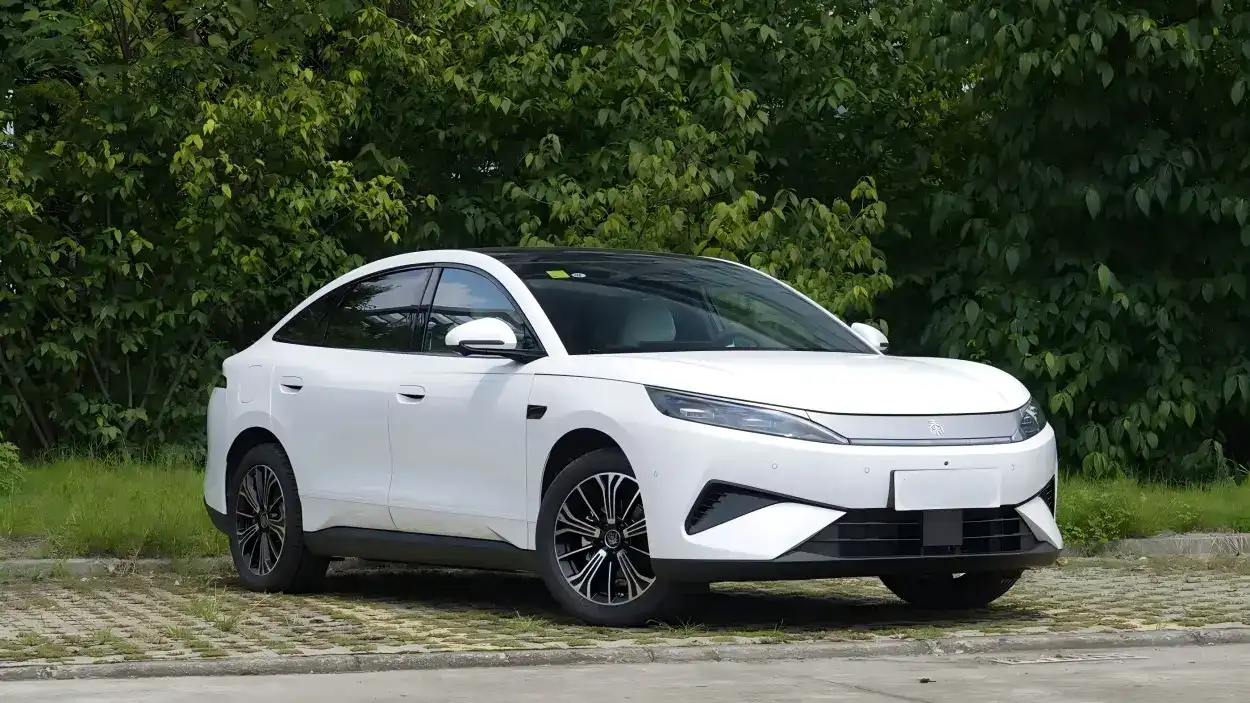

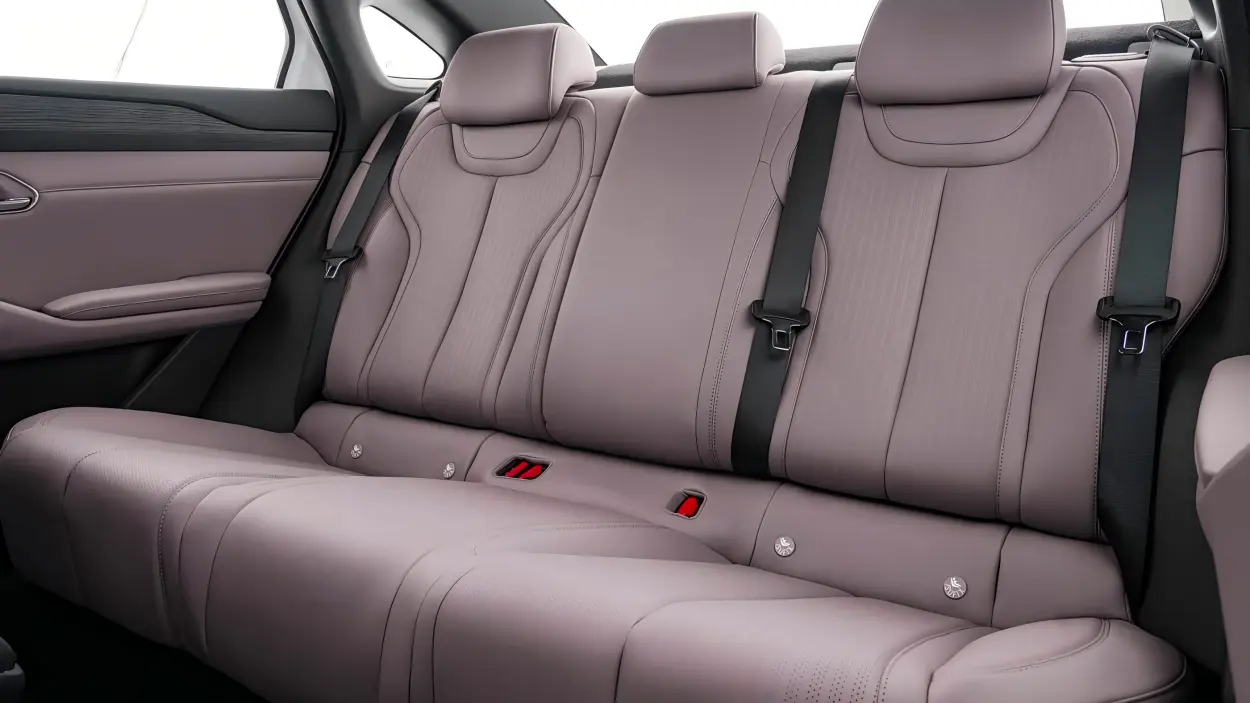
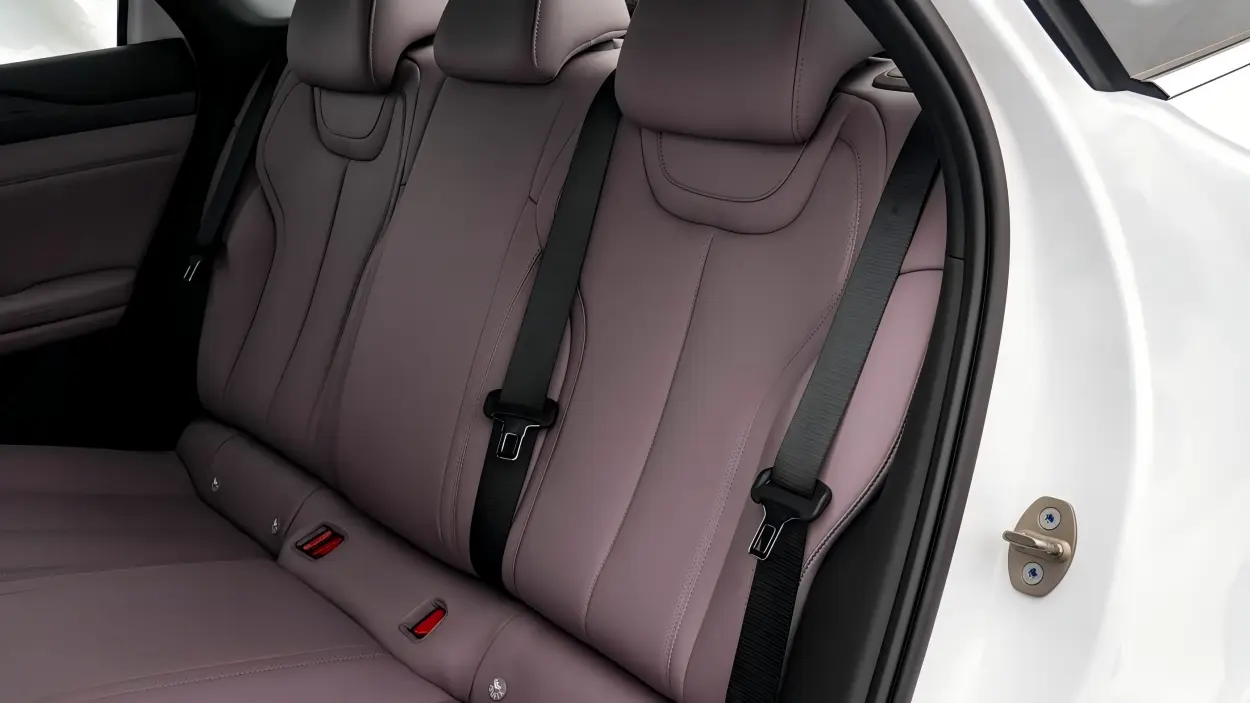
Photos: BYD official
Pricing lands below the joint-venture crowd
Shenzhen — BYD unveiled the Qin MAX at a launch event here on Thursday night under the theme “Big Differences, All Qin MAX” (大有不同 尽秦MAX), with Dynasty Network chief Lu Tian framing the car around three “big” strengths and five “differences.” The model opens at ¥99,900 ($13,780) for the DM-i plug-in hybrid and ¥109,900 ($15,160) for the battery-electric version, topping out at ¥143,900 ($19,850).
That price band undercuts the listed prices of mainstream joint-venture sedans — Toyota Camry, Volkswagen Magotan and Passat — which sit above ¥150,000 but routinely fall to similar levels after dealer discounts. BYD is betting that superior specs, not just price, close the deal.
The Qin MAX is the largest member of the Qin family, which BYD says has passed 2.9 million cumulative sales since the nameplate launched in 2013.
It is not BYD’s only fresh move in the B-class segment this month. Just two days earlier, on August 11, the brand put the BYD Seal 06 on sale — another sedan opening at ¥99,900, this one from the Ocean Network. The two cars bracket BYD’s strategy: the Seal 06 courts younger buyers with coupe styling, while the Qin MAX targets families with a conventional three-box body and the flash-charging hook. Together they tighten BYD’s grip on the segment the incumbents once thought was theirs to lose. For the other half of that one-two punch, see our full BYD Seal 06 launch coverage.
Flash charging is the differentiator
The EV uses BYD’s second-generation Blade Battery and a 900V megawatt flash-charging platform. Two pack sizes — 52.868 kWh and 64.315 kWh — deliver CLTC ranges of 530 km (329 miles) and 630 km (391 miles). BYD claims a 10%–70% top-up in five minutes and 10%–97% in nine minutes, with only three extra minutes needed at −30°C.
The 240 kW rear motor sends the quickest EV to 100 km/h in 5.8 seconds. BYD is bundling one year of free flash-charging rights, leaning on a network it says has reached 7,018 stations across 325 cities — Lu Tian’s pitch: “China now ships flash the way express delivery used to ship free in the Yangtze Delta.”
DM-i and chassis
The DM-i pairs a 1.5L engine (74 kW / 99 hp) with a 175 kW (235 hp) motor, offering 230 km or 320 km of CLTC electric range and a 2,370 km (1,473-mile) combined figure, with a 2.59 L/100 km drained-battery fuel burn.
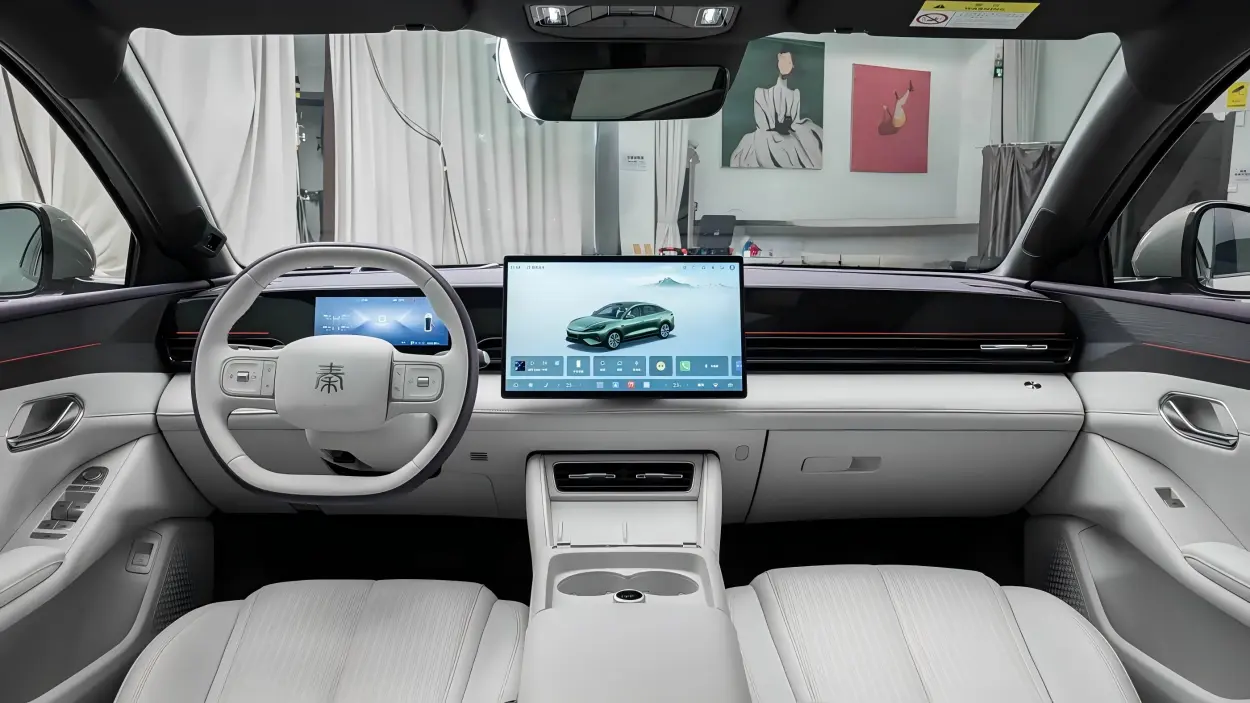
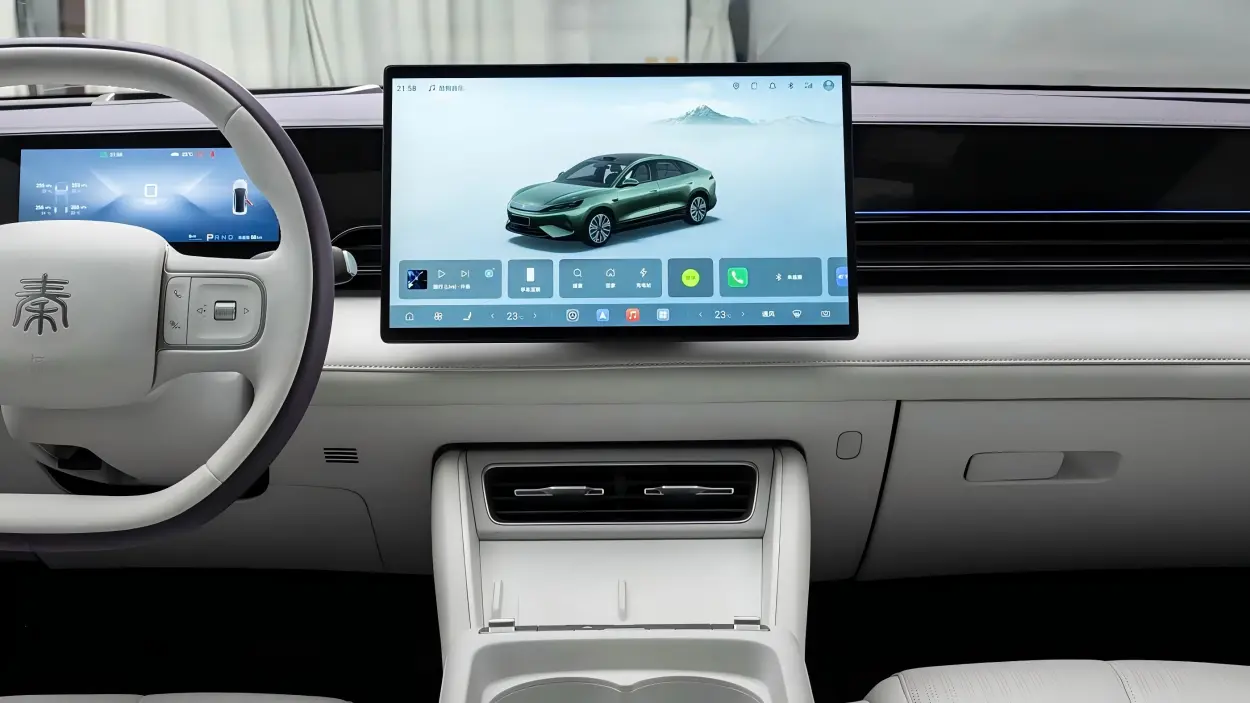
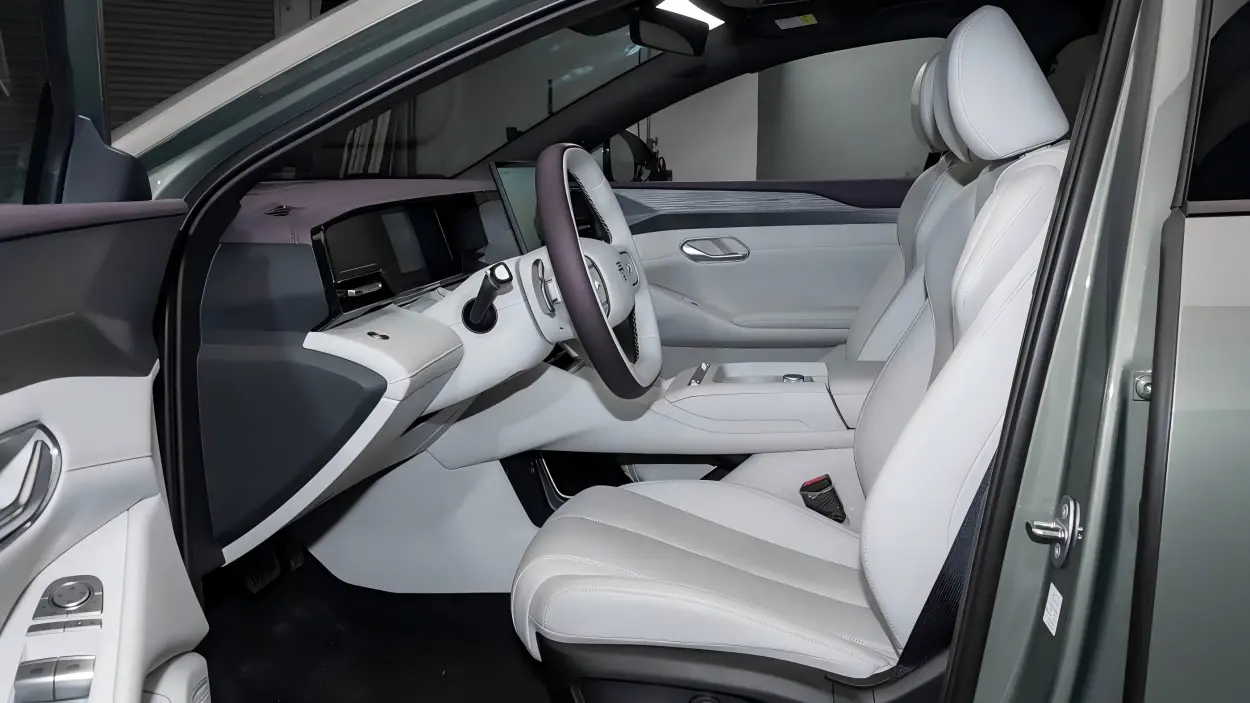
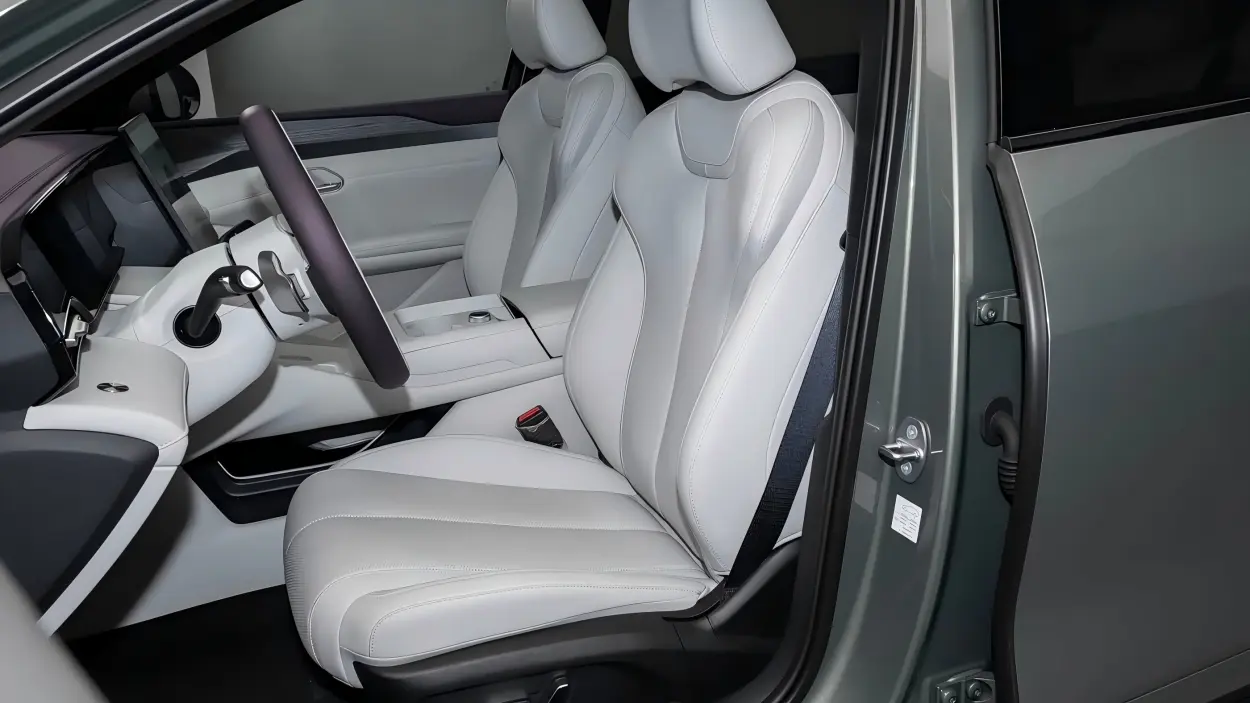
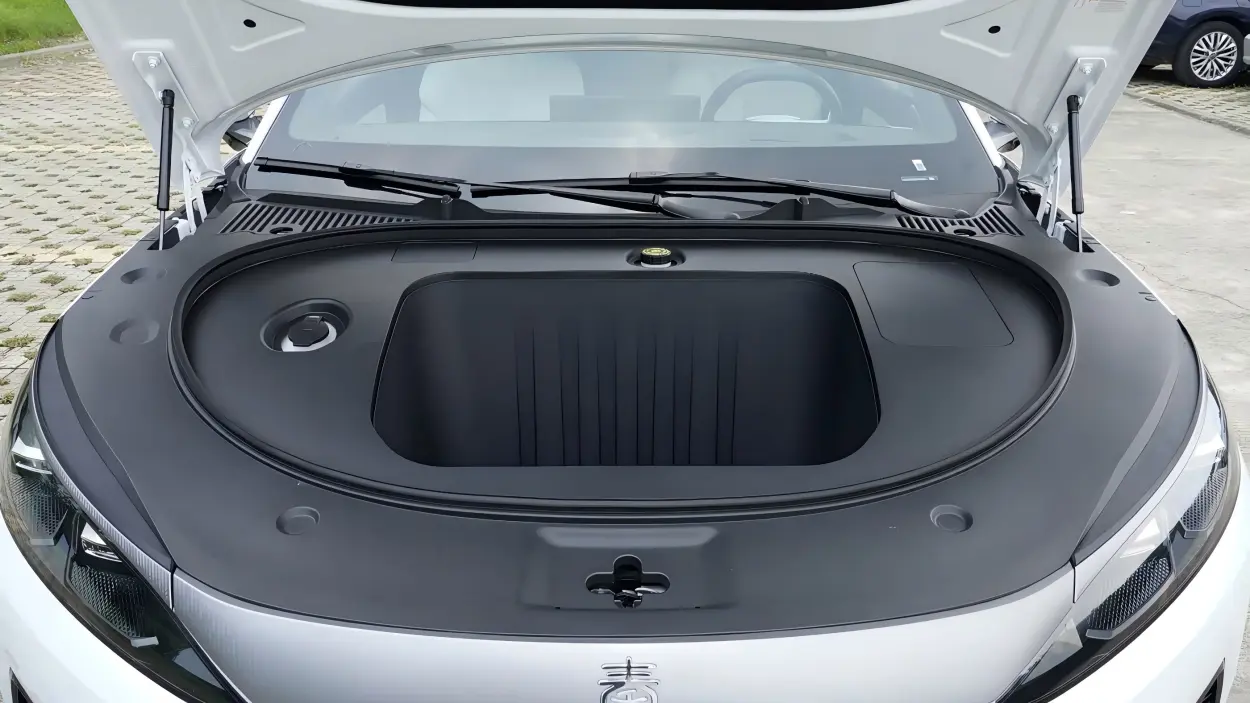
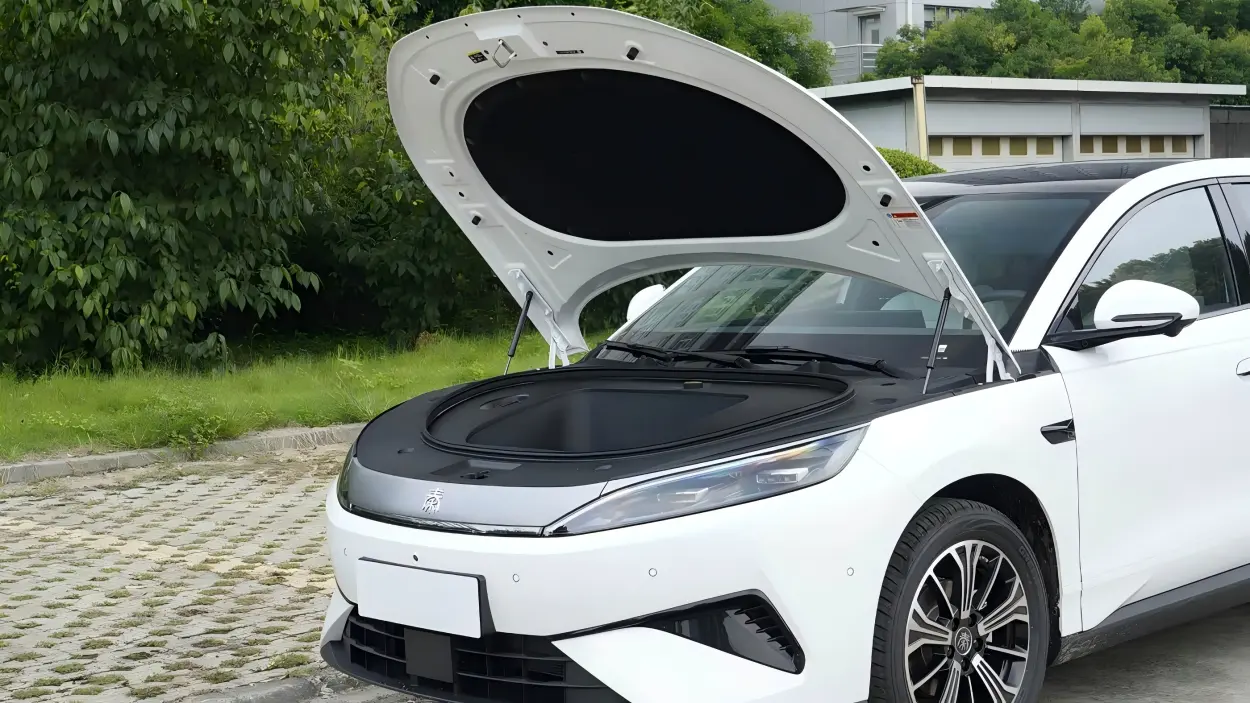
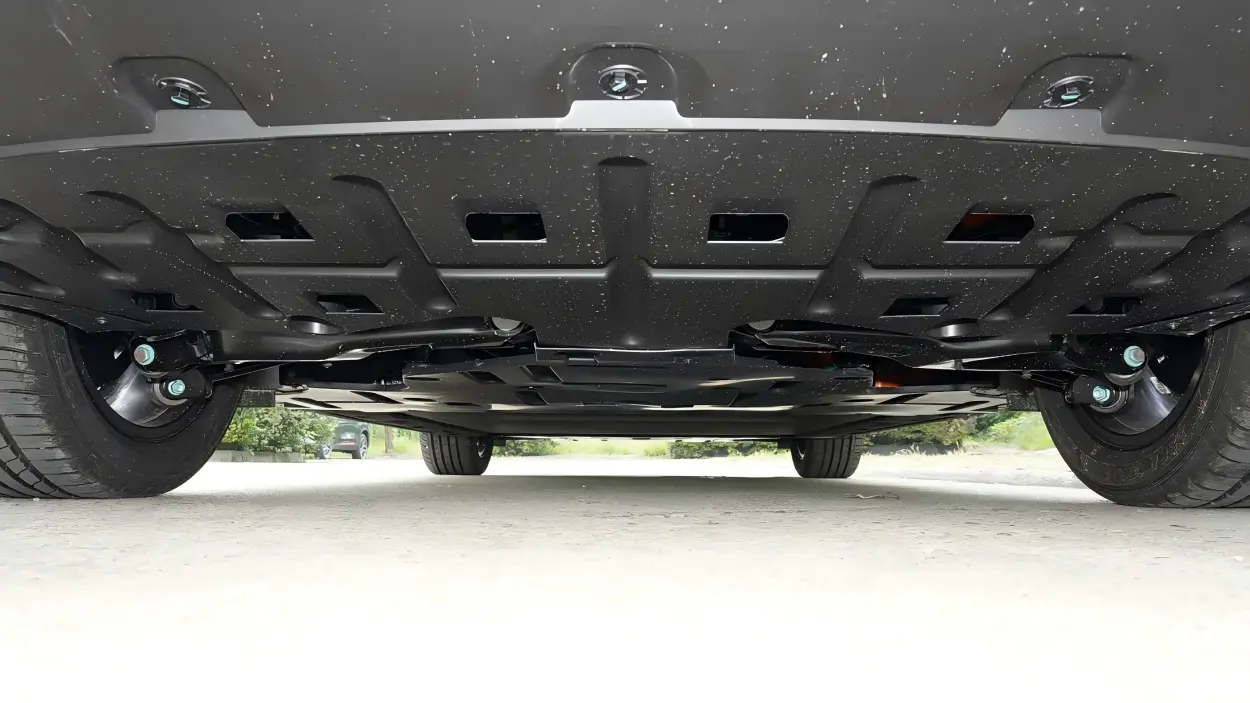
Underneath, the Qin MAX runs rear-wheel drive with a front double-ball-joint MacPherson and rear five-link suspension, optional DiSus-C dampers with road preview, and a blowout-stabilization system. At 4,866 mm long with a 2,820 mm wheelbase, it is a full B-class sedan. The EV adds a 115 L front trunk; the rear trunk holds 523 L (EV) or 557 L (DM-i) and expands to 1,450 L. Front seats get 10-point massage, ventilation and heating; the cabin runs DiLink 150 with a 15.6-inch rotating screen and a 10.8-inch head-up display.
Driver assist and the “safety net”
Standard kit includes God’s Eye C for highway navigation; a roof-LiDAR God’s Eye B is optional for city navigation and full-scene parking. BYD is extending what it calls a “double safety net” — parking coverage plus a one-year city-navigation guarantee — a trust play as China’s first mandatory L2 standard (GB 47955—2026) takes effect in January 2027. The DiLink 150 cabin embeds the “DiDi Shrimp” AI agent for conversational control.
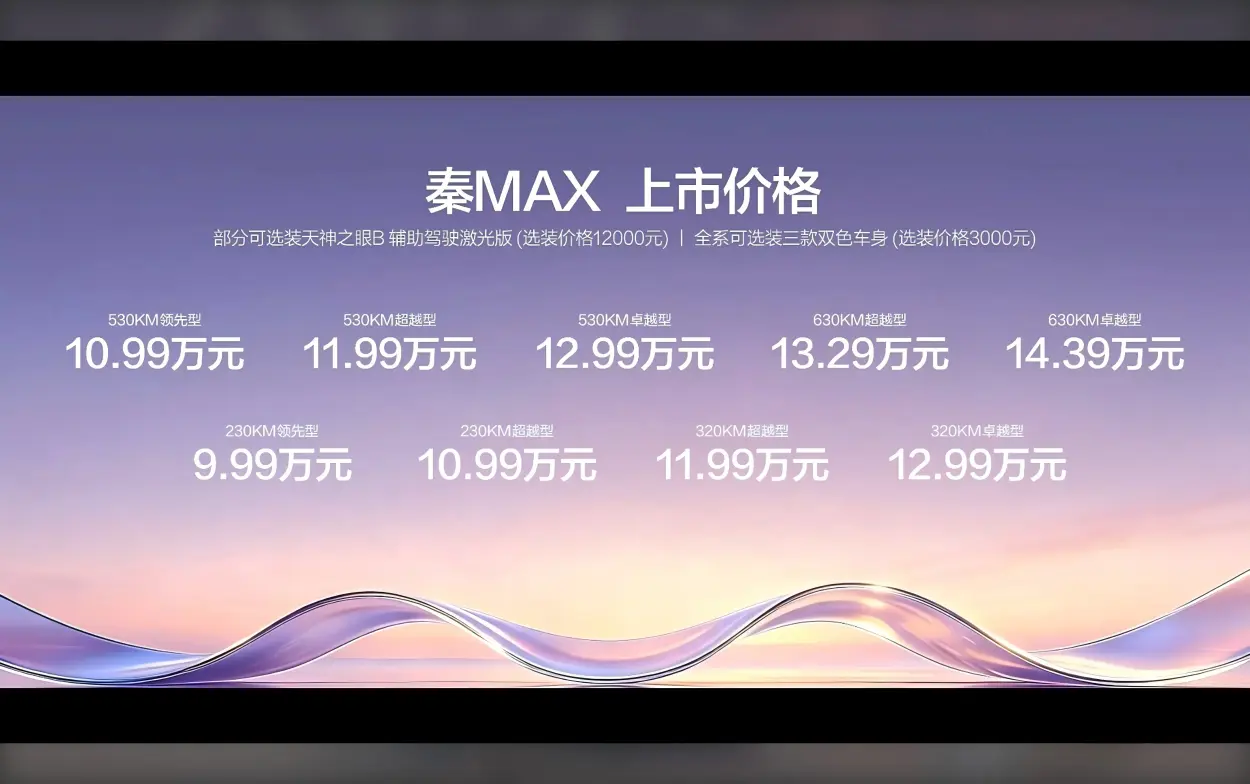
Trim lineup and pricing
All nine variants went on sale on August 13. The numbering in each EV name is the CLTC range in kilometers; the DM-i numbering is the CLTC electric range. Figures are China-market manufacturer guide prices (MSRP); they exclude destination-market charges such as import duties, local VAT or sales tax, registration, and any EV incentives or tariffs a country applies. Outside China, treat these as a reference only.
DM-i plug-in hybrid
| Trim | Price (yuan) | Price (USD) |
|---|---|---|
| 230km Leading | ¥99,900 | ~$13,780 |
| 230km Transcendent | ¥109,900 | ~$15,160 |
| 320km Transcendent | ¥119,900 | ~$16,540 |
| 320km Flagship | ¥129,900 | ~$17,920 |
EV (pure electric)
| Trim | Price (yuan) | Price (USD) |
|---|---|---|
| 530km Leading | ¥109,900 | ~$15,160 |
| 530km Transcendent | ¥119,900 | ~$16,540 |
| 530km Flagship | ¥129,900 | ~$17,920 |
| 630km Transcendent | ¥132,900 | ~$18,330 |
| 630km Flagship | ¥143,900 | ~$19,850 |
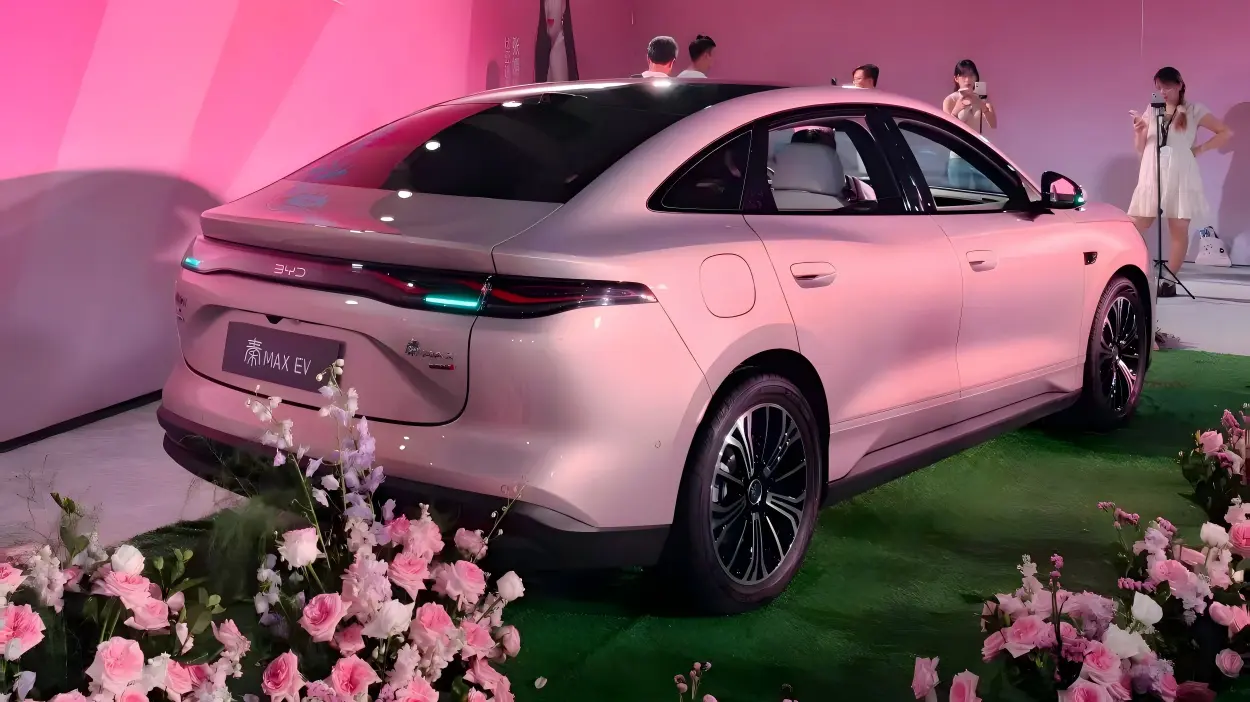
The author was present at the Qin MAX launch event. The photos below were taken on-site.
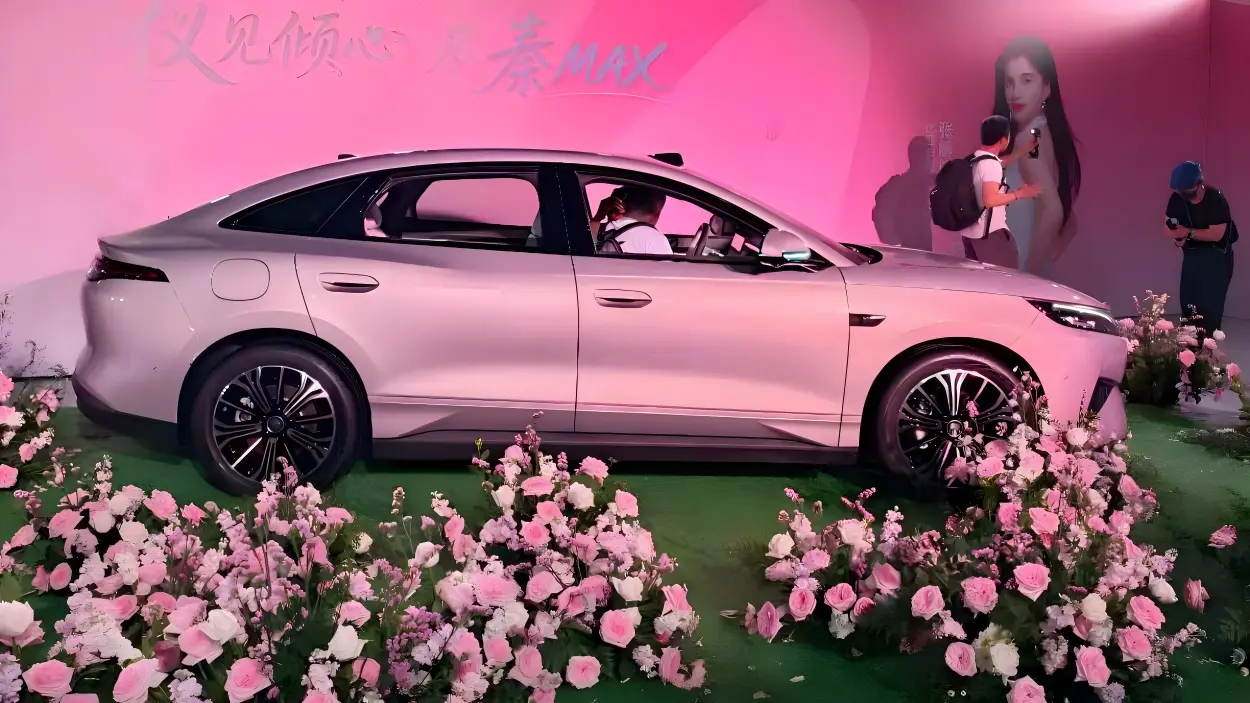
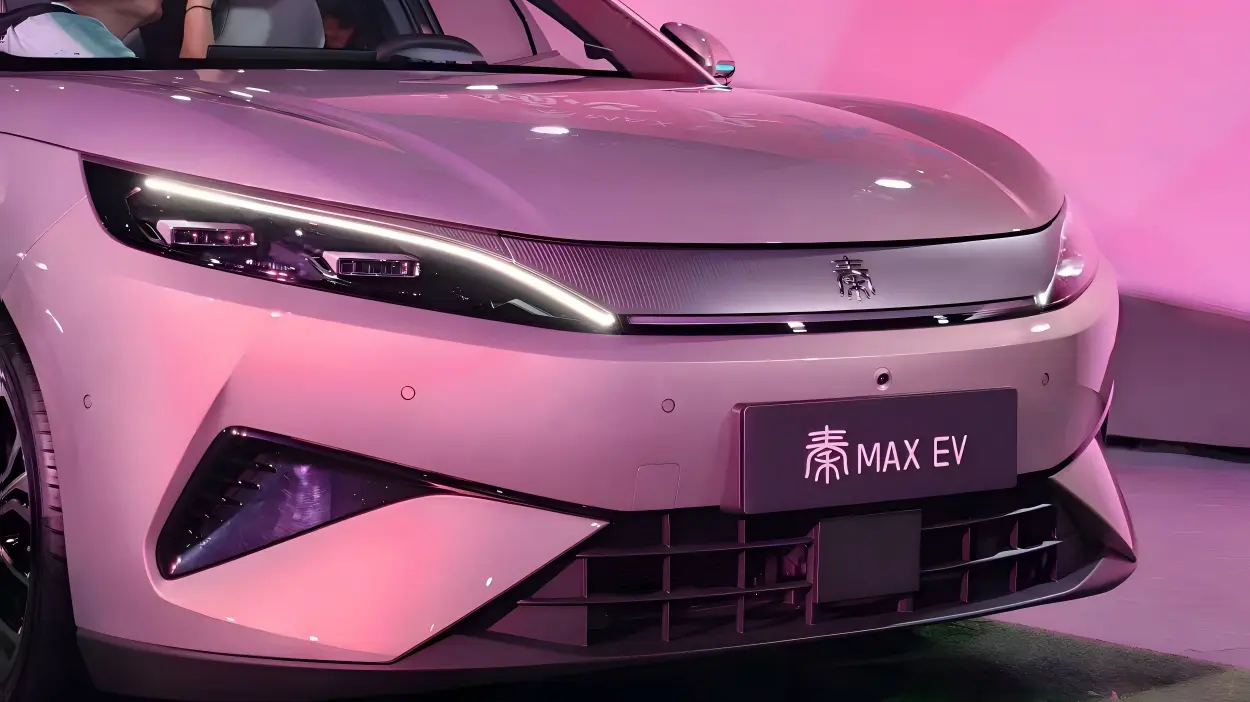
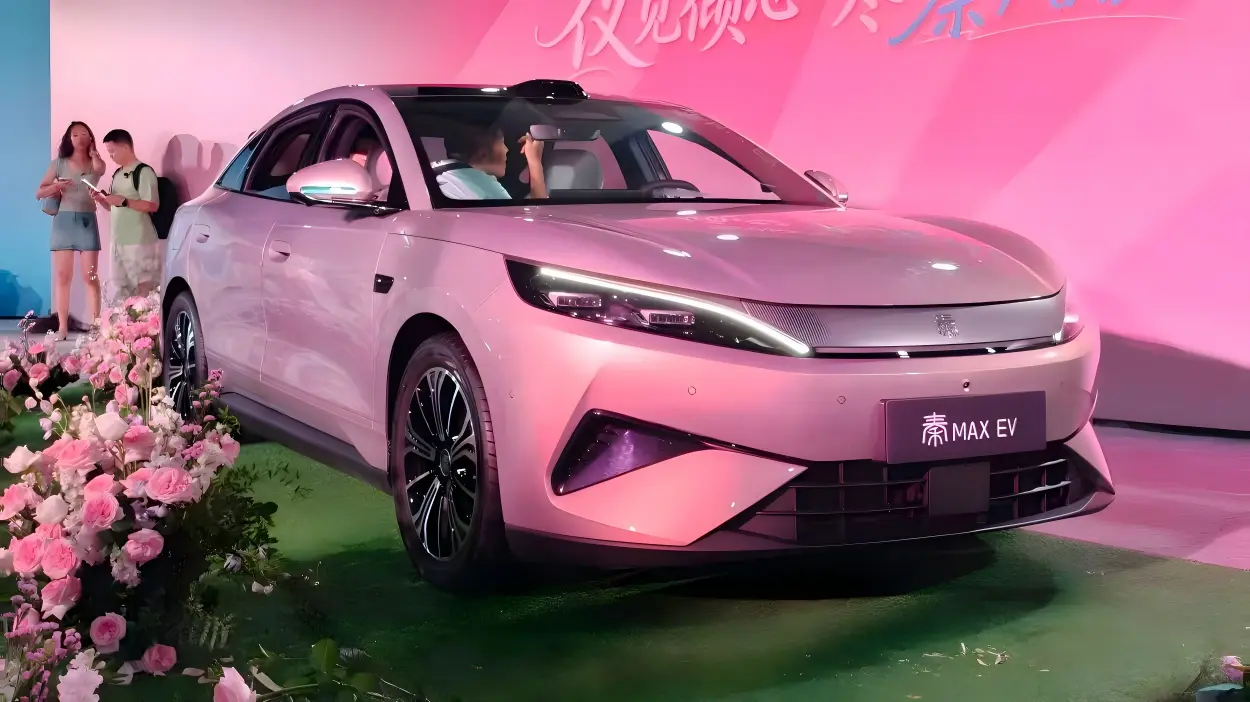
Photos: Taken by evsays author on-site at the Qin MAX launch event
Why it matters
The Qin MAX drops BYD’s flash-charging and second-gen Blade tech into the ¥100k–150k bracket that legacy sedans still dominate. Domestic rivals — Geely Galaxy A7, Deepal L06, Arcfox Alpha S5 — already clear 5,000 units a month, so the fight is crowded. BYD’s edge is the charging network: if five-minute top-ups become routine, range anxiety stops being a buying objection for mainstream buyers.
The Bottom Line
BYD’s Qin MAX extends the brand’s price offensive into the B-class sedan segment, pairing a 900V flash-charging system and 630 km range with a ¥99,900 start price that undercuts discounted joint-venture rivals. The differentiator is not the spec sheet but the charging network behind it — 7,018 stations and counting — which could turn five-minute top-ups into the feature that finally neutralizes range anxiety for mainstream buyers.
Sources & Further Reading:
Autohome (autohome.com.cn) — “BYD Qin MAX launched from ¥99,900 with flash charging, God’s Eye B, DiSus-C,” Aug 13, 2026
IT之家 (ithome.com) — “BYD Qin MAX ‘super-sized’ model officially launched, ¥99,900–¥143,900,” Aug 13, 2026