Physical Address
304 North Cardinal St.
Dorchester Center, MA 02124
Physical Address
304 North Cardinal St.
Dorchester Center, MA 02124
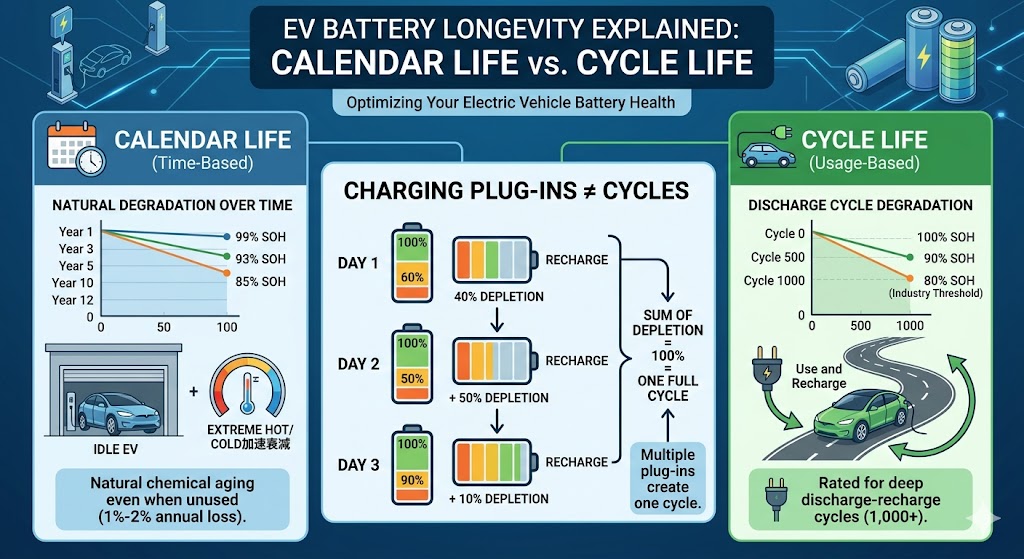
To understand how long your EV battery lasts, you must distinguish between two types of aging:
Calendar life refers to the battery’s lifespan from the date of manufacture to its end of life, measured in years. Even if the car is not driven, lithium-ion batteries naturally lose 1%–2% of capacity annually due to chemical aging, known as Calendar Degradation. Factors like extreme temperatures and state of charge (SoC) during storage significantly impact this.
Cycle life is measured by the number of Full Discharge Cycles. One cycle equals 100% of the battery’s rated capacity being charged and discharged under standard conditions (typically 25°C). When a battery’s capacity drops to 80% of its original state (State of Health – SOH), it is generally considered to have reached the end of its first life in a vehicle.
A common misconception among new EV owners is that every time they plug in their car, they “use up” one life cycle. This is false.
Cycle life is calculated by cumulative energy throughput. Here is a breakdown of how it works:
|
Day |
Energy Consumed |
Recharged to 100% |
Cumulative Cycle Count |
|
Day1 |
40% |
YES |
0.4 Cycles |
|
Day2 |
50% |
YES |
+ 0.5 Cycles (Total 0.9) |
|
Day3 |
10% |
YES |
+ 0.1 Cycles (Total 1.0 Cycle) |
Result: It took three separate charging sessions to complete one single cycle. Frequent “top-up” charging (shallow charging) is actually healthier for the battery than waiting for it to hit 0%.

According to international industry standards, power batteries must support at least 1,000 full cycles while maintaining over 80% capacity.
Is this enough for daily use?
This redundancy is why battery health often outlasts the vehicle’s mechanical components. It also dispels concerns about V2G (Vehicle-to-Grid) technology; using your battery to power the grid may increase cycles, but the impact is negligible compared to the total cycle reservoir.
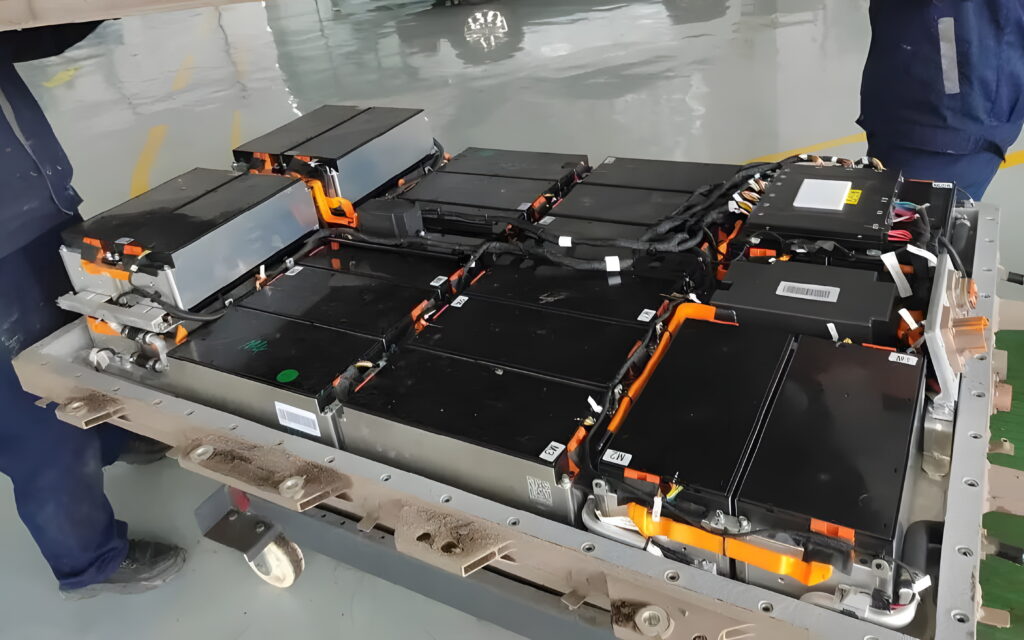
To balance both Calendar and Cycle life, follow these “Golden Rules” of EV maintenance:
Avoid letting your battery drop below 20% or sitting at 100% for long periods. Lithium-ion batteries are most stable between 20% and 80% SoC. Shallow charging (charging often but not to the max) is the best way to prevent stress.
Extreme heat is the enemy of battery chemistry.
For vehicles left idle for long periods, high SoC (State of Charge) can accelerate calendar aging. Experts suggest that using V2G discharging to keep the battery active and at a mid-range SoC can actually lead to better overall battery health than leaving it fully charged and stationary.
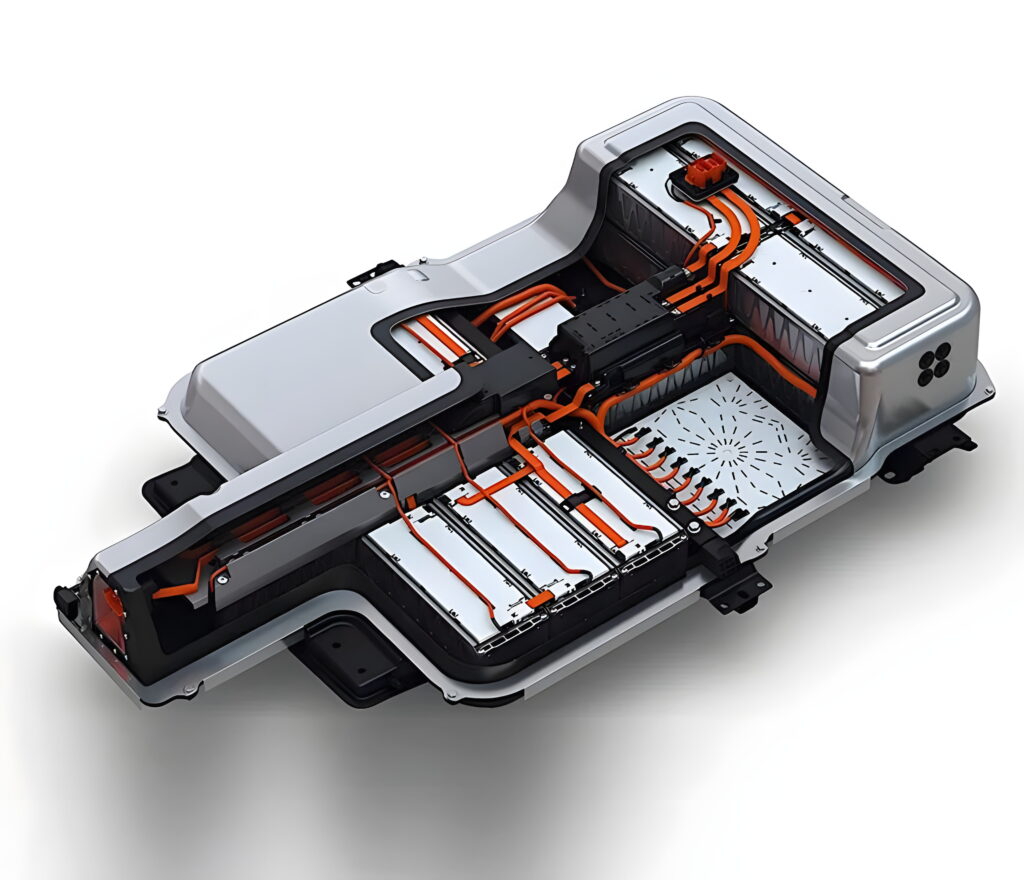
EV battery technology is far more durable than most imagine. By understanding that usage (Cycles) and time (Calendar) work together, and by practicing smart charging habits, you can ensure your battery remains healthy for well over a decade.