

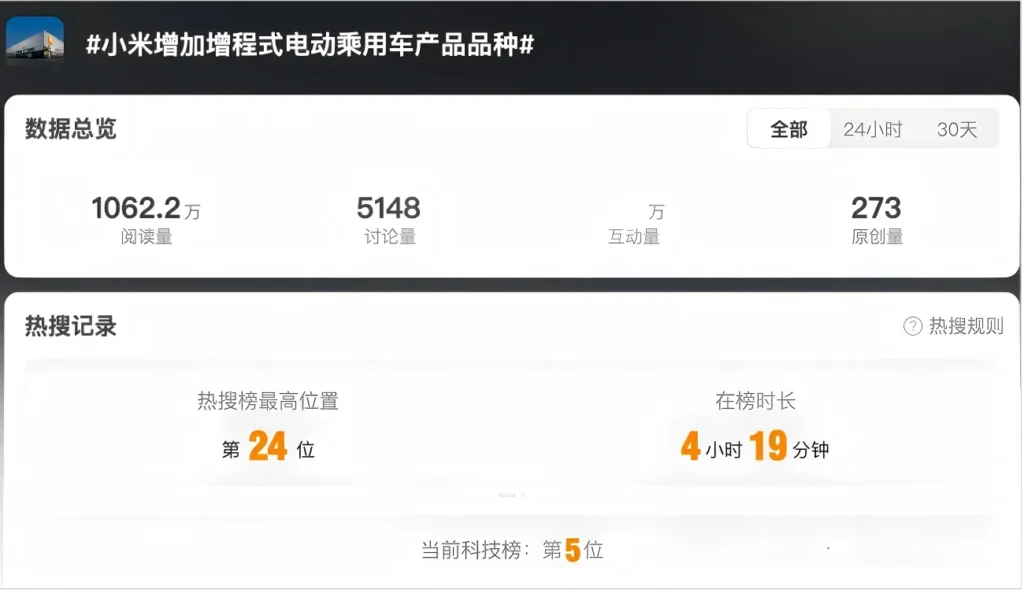
On June 10, 2026, Xiaomi EV cleared a long-anticipated regulatory hurdle. The latest MIIT announcement confirmed the company has been granted production qualification for extended-range electric passenger vehicles, A Xiaomi spokesperson had previously clarified online that the leaked photos of the Xiaomi YU9 were not genuine. ending nearly three years of speculation.
In substance, this is a manufacturing scope expansion. Previously authorized only for battery-electric models, Xiaomi now joins the growing list of automakers operating on dual tracks. For an emerging automaker, the shift from single-powertrain to multi-powertrain capability is widely seen as a marker of transition from validation to scale.
Patience as Strategy
The timeline tells its own story. Job listings for range-extender engineers first surfaced in autumn 2023, months before the SU7 debut. Official statements at the time downplayed the prospect. What followed—spy shots, executive hints during earnings calls, and now regulatory confirmation—falls into a pattern that industry observers recognize as a deliberate, phased product rollout.
Analysts suggest the gap was not idle time. By prioritizing pure-electric models first, Xiaomi was able to test brand traction in a higher-stakes segment before moving into the relatively lower-cost range-extender category. It is, by most accounts, a pragmatic sequence.
Where the Vehicle Sits
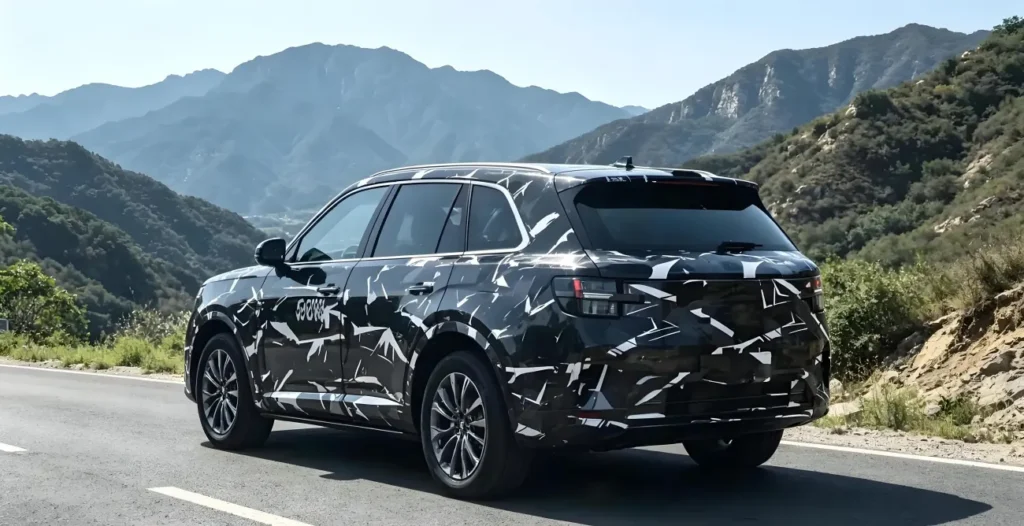
Details on the vehicle itself remain unofficial, but a consistent picture has emerged from supply chain and testing sources. Internally codenamed “Kunlun N3,” the model is expected to be a full-size SUV exceeding 5.3 meters in length with a wheelbase around 3.1 meters. These dimensions place it directly alongside the Li Auto L9 and AITO M9, both of which have already established user bases in China’s premium family SUV market.
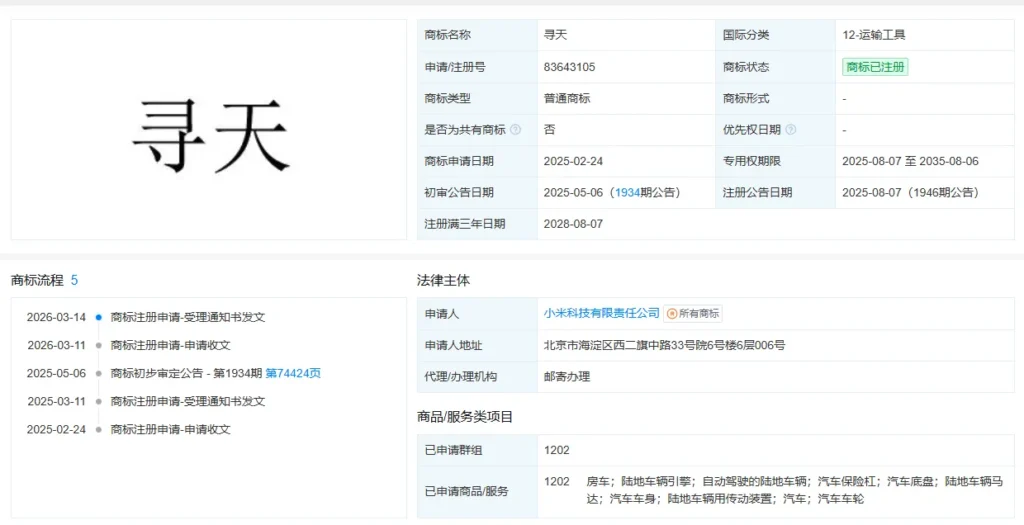
Of particular note are reports that the vehicle may launch under a standalone sub-brand, reportedly called SKYNOMAD. If confirmed, this would signal a tiered brand architecture—one that is familiar in consumer electronics but still relatively novel in automotive. A mainstream Xiaomi-branded line and a more premium sub-brand would allow coverage of a wider price spectrum without diluting either identity.
On the technical side, claimed specifications—an 80 kWh battery pack and a pure-electric range of 400 to 500 kilometers—blur the traditional boundary between range-extender and full battery-electric vehicles. Whether these figures materialize is secondary to the question they raise: can a range-extender be re-positioned from a transitional compromise into something users primarily experience as an electric vehicle?
A Category at a Crossroads
The approval arrives at a sobering moment for the range-extender segment. According to CPCA data, wholesale deliveries of extended-range models fell 24.9% year-on-year in May 2026, with market share contracting to 7.0%. Only three models managed monthly sales above 5,000 units. The initial wave of user education—making the case for why families should consider a range-extender—has largely run its course. The challenge now is differentiation in an increasingly crowded field.
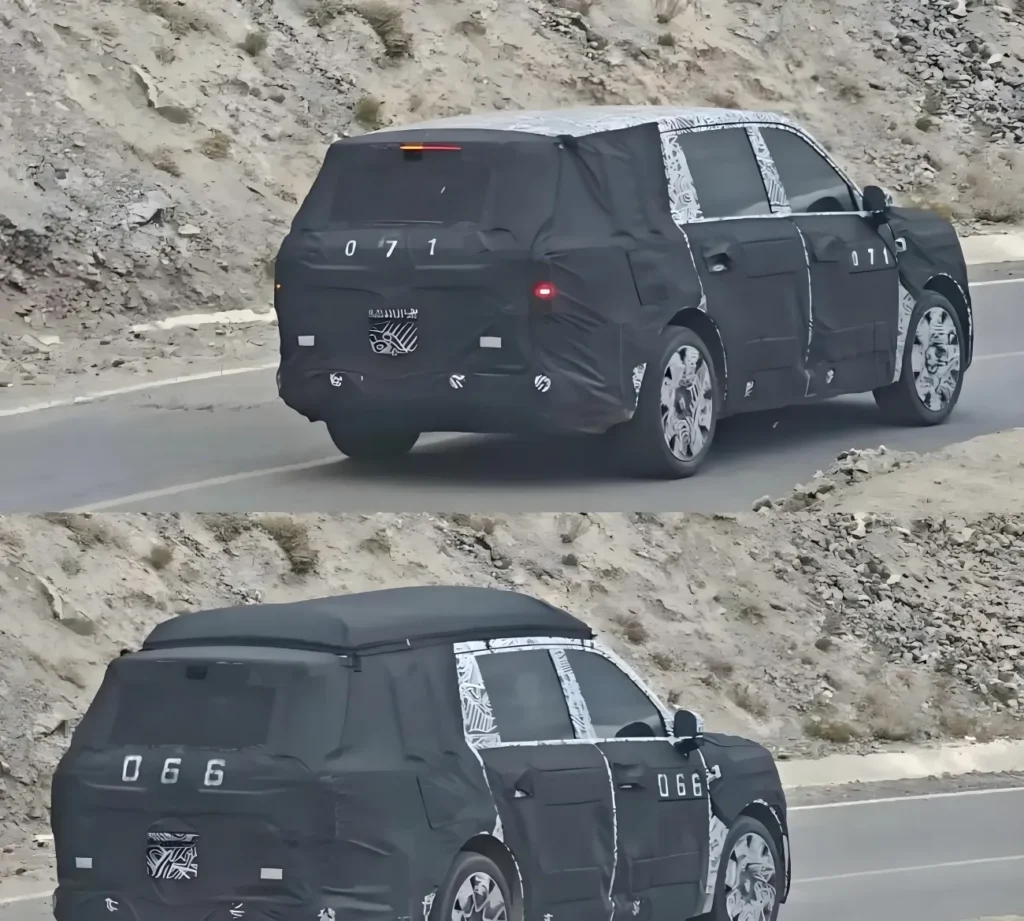
Xiaomi’s potential differentiator may not reside in the thermal efficiency of its range-extender engine, however competitive. It is more likely to lie in integration: connecting the long-range advantage with the company’s smart cockpit ecosystem and advanced driver-assistance capabilities. If executed well, this approach could offer a reference point for how the category evolves beyond its current value proposition.
In summary, a regulatory approval is a milestone, not a conclusion. The test ahead for Xiaomi’s automotive division is no longer whether it can manufacture a vehicle. It is whether it can define a compelling product across fundamentally different categories.