

[Quick Summary] In 2026, New Energy Vehicles (NEVs) are projected to account for over 65% of new car sales, but traditional Internal Combustion Engine (ICE) vehicles still serve specific needs. Whether you should buy a pure electric vehicle (BEV), a gas-powered car (ICE), or a hybrid (PHEV/REEV) has no standard answer—only the right answer for you. This guide provides a “30-Second Decision Model” and analyzes 6 real-world driving scenarios to help you make an informed choice. If you have a home charger and mostly commute, a BEV is your top pick. If you lack charging access and frequently take road trips, an ICE remains reliable. Want the best of both worlds? A PHEV is your ideal compromise.

1. The 2026 Auto Market Landscape: Are EVs Taking Over?
The data trend is crystal clear: traditional gas cars are slowly phasing out, and EVs are taking over. However, “phasing out” doesn’t mean “disappeared.” Buying an ICE vehicle in 2026 is still a perfectly valid choice. Here is the core market data from 2023 to 2026(Data on the Chinese market):
| Market Metric | 2023 | 2024 | 2025 | 2026 (Estimated) |
| EV Sales Share | 35% | 45% | 55% | 65% |
| New Model Launches (EV vs. ICE) | 50/50 | 70% EV | 80% EV | 90% EV |
| Total Charging Piles | 8.59 Million | 11 Million | 14 Million | 17 Million |
| Avg. Range (Mid-range EVs) | 450 km (280 mi) | 500 km (310 mi) | 550 km (340 mi) | 600 km (370 mi) |
2. The 30-Second Decision Model (Interactive Quiz)
Honestly answer the following 5 core questions to quickly determine your ideal powertrain:
- Do you have a fixed parking spot where you can install a home charger? (Yes: +2 points EV | No: +2 points ICE)
- Is your daily commute longer than 30 km (approx. 18 miles)? (Yes: +1 point EV | No: +1 point ICE)
- Does your local winter temperature frequently drop below -10°C (14°F)? (Yes: +1 point ICE | No: +1 point EV)
- Do you take long road trips (highway driving) more than twice a month? (Yes: +1 point ICE/PHEV | No: +1 point EV)
- Do you plan to keep this car for more than 8 years? (Yes: +1 point ICE for durability | Yes: +1 point EV for long-term fuel savings)
[Test Results & Recommendations]
- EV Score 4+: Highly recommend buying a Pure EV (BEV) ✅
- ICE Score 3+: Recommend buying a Gas Car (ICE) ✅
- Both Scores Low (around 2): Recommend buying a Hybrid (PHEV) ✅
- Both Scores High (4+ each): Recommend buying a Range-Extended EV (REEV) to cover all bases ✅
3. In-Depth Comparison of the Three Main Powertrains
Route 1: Pure Electric Vehicle (BEV)
- Best For: Users with a home charger, mostly city commuting, and occasional road trips.
- Core Advantages: Extremely low running costs (a fraction of gas prices), lightning-fast acceleration, quiet and smooth ride, and high-level smart features. In many regions, BEVs enjoy tax exemptions and carpool lane perks.
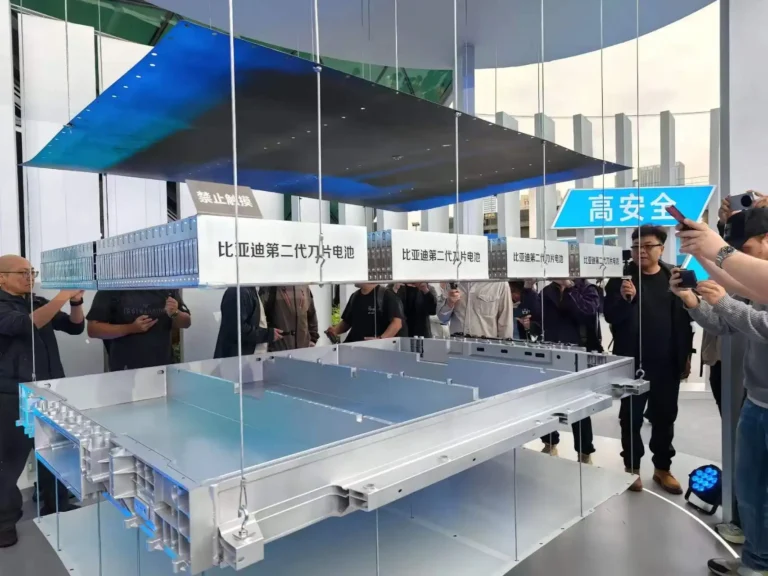
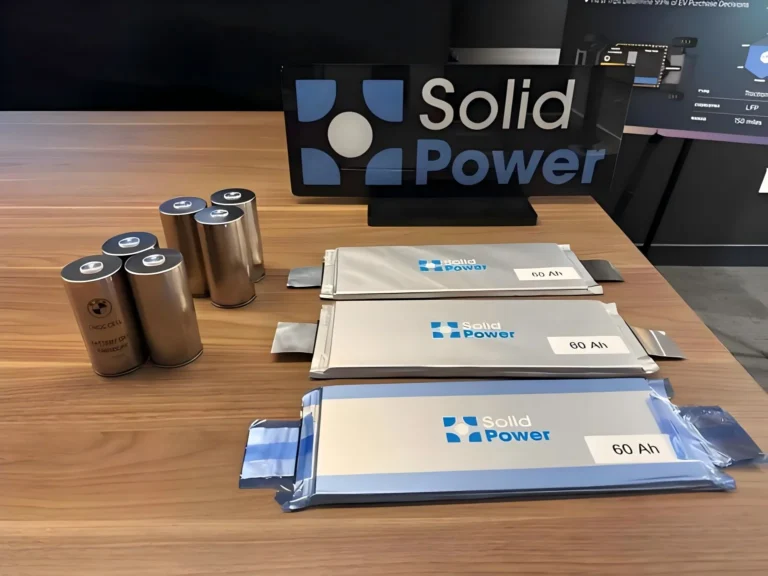
- Core Disadvantages: Range drops significantly in freezing winters. Long highway trips require careful charging route planning. Generally lower resale value than gas cars, slightly higher insurance premiums, and slow (but inevitable) battery degradation.
Route 2: Internal Combustion Engine (ICE)
- Best For: Users without charging access, heavy long-distance drivers, and those planning to keep the car for a decade or more.
- Core Advantages: Unaffected by extreme cold. Refueling is fast and convenient (5 minutes to full). More stable resale value. Highly mature technology, proven reliability, and zero battery replacement anxiety.
- Core Disadvantages: High fuel prices lead to expensive running costs. Often lags behind EVs in smart tech and infotainment. Higher routine maintenance costs (oil changes, filters, belts).
Route 3: Plug-in Hybrid / Range-Extended (PHEV / REEV)
- Best For: Users who want to balance daily commuting with frequent road trips, have charging access, or suffer from range anxiety.
- Core Advantages: Run on cheap electricity for daily commutes (typically 100-250 km / 60-150 miles of pure electric range) and switch to gas for long trips without range anxiety. Often qualifies for the same tax incentives as BEVs.
- Core Disadvantages: Two separate powertrains mean a more complex mechanical structure. Maintenance costs are slightly higher than pure EVs. The added weight of both systems can slightly compromise handling, and the pure electric range is much shorter than a BEV.
4. Matching Your Needs: 6 Real-World Driving Scenarios
- Scenario 1: City commuter, 50 km (30 miles) daily. Driving 12,500+ km a year means an EV will save you a massive amount in fuel costs. If you have a home charger, buy a BEV.
- Scenario 2: Small-town driver, 10 km (6 miles) daily. You drive so little that fuel savings won’t offset the premium price of an EV. Furthermore, small towns might lack public charging. An ICE or PHEV works fine.
- Scenario 3: Severe winters (-20°C / -4°F or below). Extreme cold can slash an EV’s range by 50% or more, ruining the driving experience. A hybrid running on gas in winter is perfectly normal. Buy an ICE or PHEV.
- Scenario 4: Frequent highway road trips, 2,000+ km (1,200 miles) monthly. While an EV saves money, frequent public charging on highways is time-consuming. A hybrid gets great highway mileage without the hassle. Buy a PHEV/REEV.
- Scenario 5: The household’s only car. It is hard for one vehicle to perfectly handle every single use case. A range-extended hybrid is the ultimate compromise. Buy a REEV.
- Scenario 6: The household’s second car for errands. Strictly for local city driving without long trips. Buy a compact BEV. It’s cheap, easy to park, and highly efficient.
5. [FAQ] 5 Questions You Shouldn’t Worry About in 2026
- Q1: Won’t replacing the battery cost a fortune out of warranty?
- A: In 2026, mainstream brands offer battery warranties covering 8 to 15 years (or up to 150,000 km). Replacements are free within this period. Out-of-warranty replacements won’t happen until post-2030, by which time battery production costs will be significantly cheaper.
- Q2: What if I can’t install a charger at my apartment?
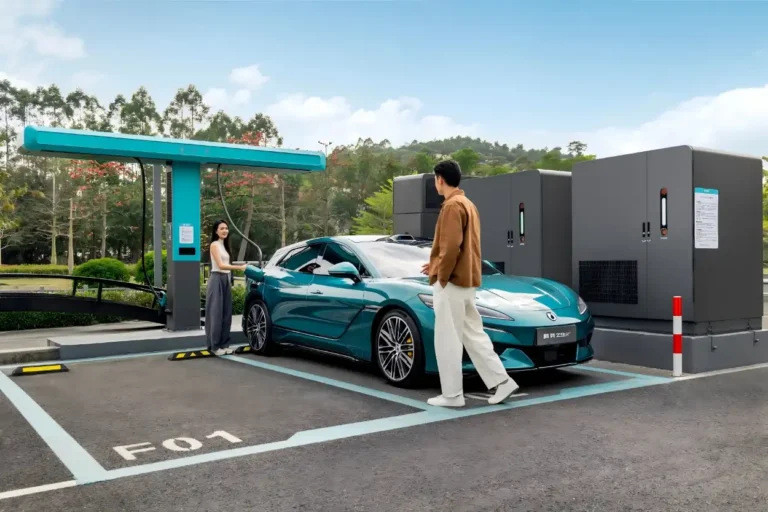
- A: Public charging infrastructure is booming. By 2026, there will be over 17 million charging piles globally. In most metropolitan areas, you are rarely more than 2 miles away from a fast-charging station.
- Q3: Don’t EVs depreciate much faster than gas cars?
- A: While EV depreciation curves can be steeper initially, low resale value doesn’t equal losing money. The thousands of dollars you save on fuel and maintenance over the years usually offset the depreciation gap.
- Q4: What if the EV startup brand I buy goes bankrupt?
- A: The market is consolidating in 2026. Stick to the top-tier, established players (e.g., Tesla, BYD, NIO, Hyundai/Kia). Market leaders are highly unlikely to face bankruptcy.
- Q5: With tech evolving so fast, won’t my EV be obsolete in two years?
- A: A car is not a smartphone; keeping a vehicle for 8-10 years is normal. An older EV model doesn’t stop driving just because a new one is released. Many 2020 EV models are still performing excellently on the road today.
Final Thoughts In 2026, the question is no longer “Should I buy an EV?” but rather “Which powertrain fits my lifestyle?” Gas cars are not wrong; they just aren’t the only option anymore. If you love the roar of an engine, manual handling, and instant refueling—buy an ICE. If you prioritize low running costs, smart tech, and a whisper-quiet ride—buy a BEV. If you want everything and refuse to compromise—buy a PHEV. There is no “best” car, only the best car for you.