

BYD’s premium sedan pairs a record-breaking battery with a proprietary charging network expanding at a pace no rival is matching
SHENZHEN — Denza, BYD’s premium marque, opened pre-sales for the Z9S sedan on August 3 with 1,100 kilometers of CLTC range — a figure that surpasses every production electric vehicle on the market and exceeds the company’s own Denza Z9 EV, which held the previous record at 1,068km.
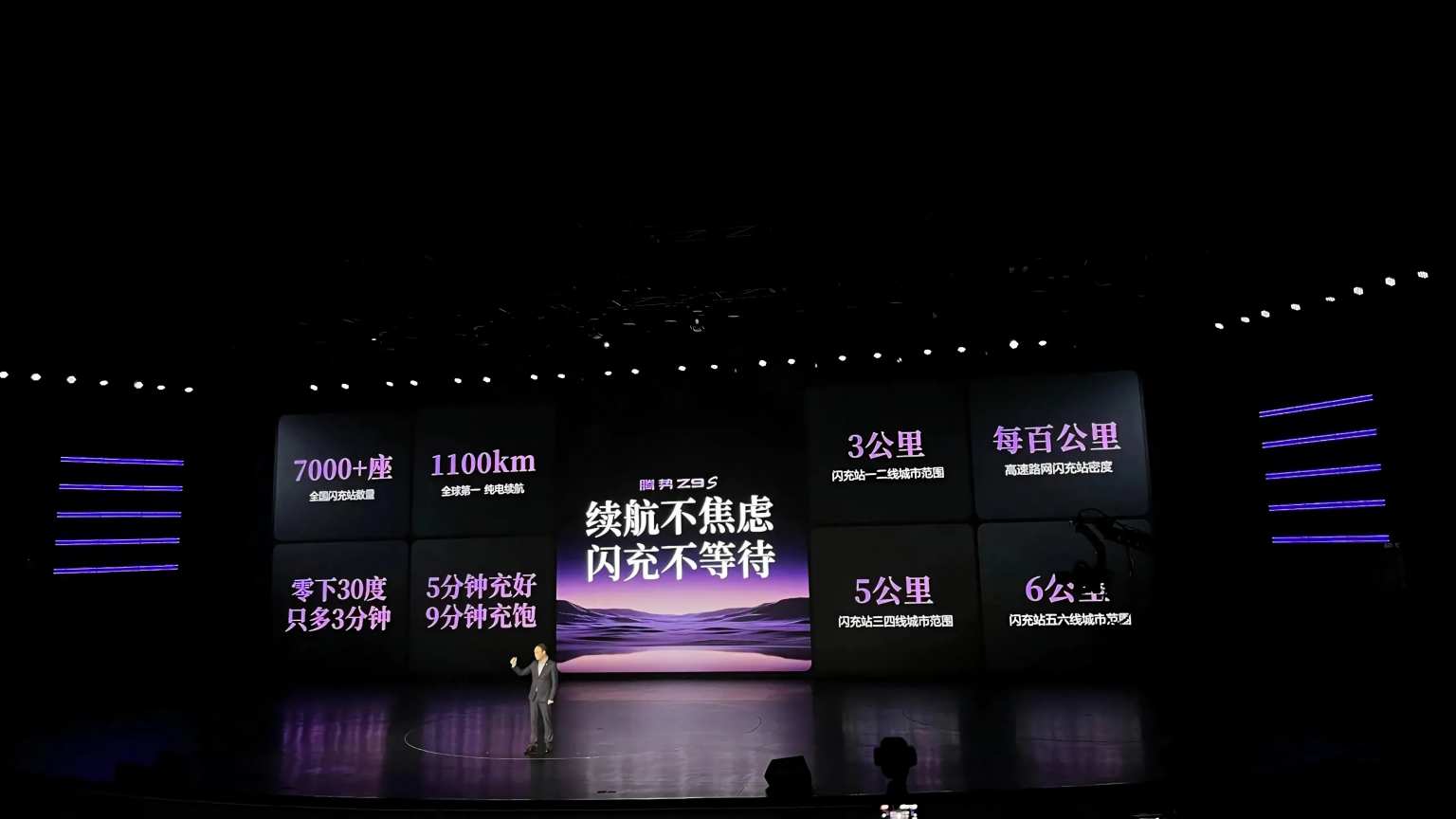
The range-topping trim is priced at 349,800 yuan ($48,600). It runs on BYD’s second-generation Blade Battery and charges from 10% to 97% in nine minutes. At minus 30 degrees Celsius, the same charge takes twelve minutes.
Those numbers place the Z9S at the top of the global EV range table. But the vehicle arrives alongside a parallel build-out that may matter more to BYD’s competitive position: the company has constructed 7,018 proprietary flash charging stations across 325 Chinese cities in roughly four months, with a stated target of 20,000 by December.
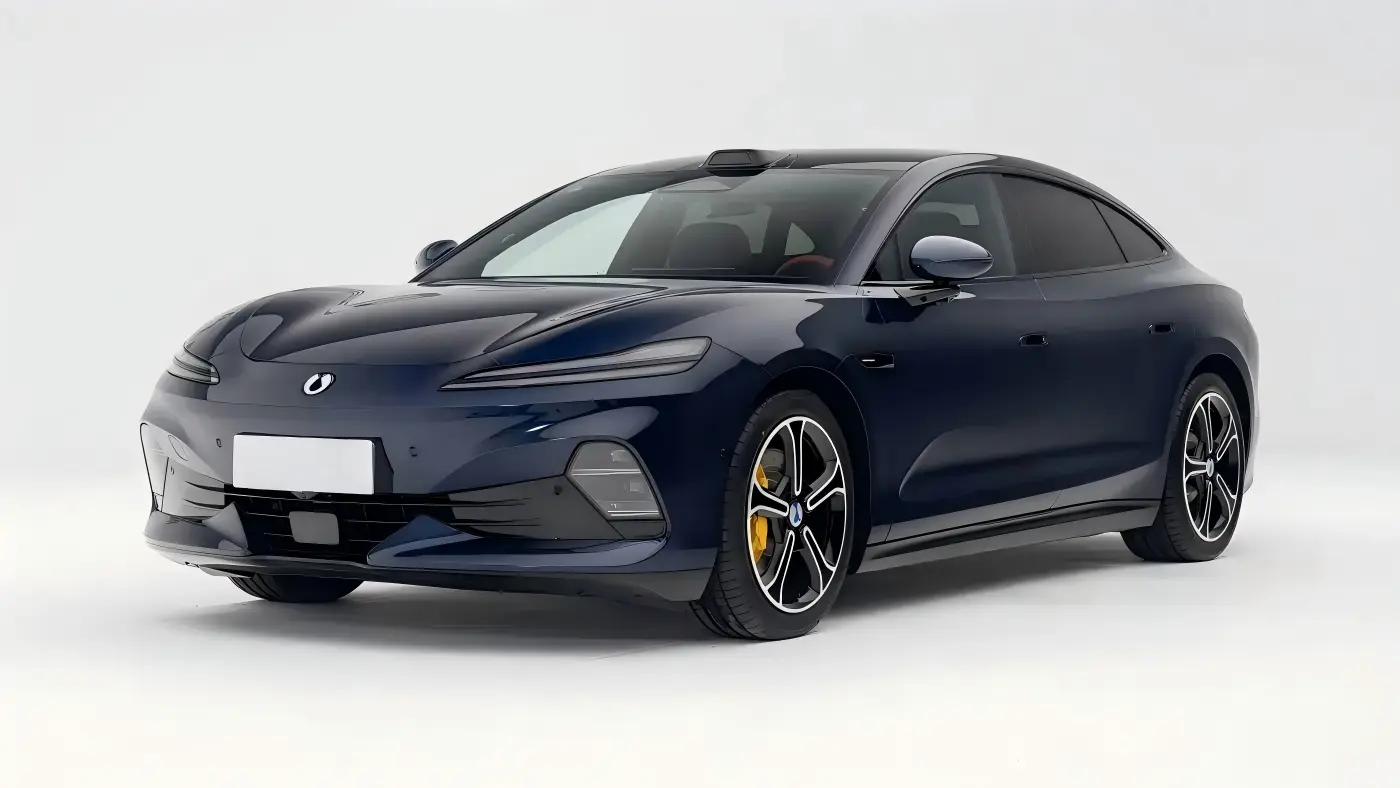
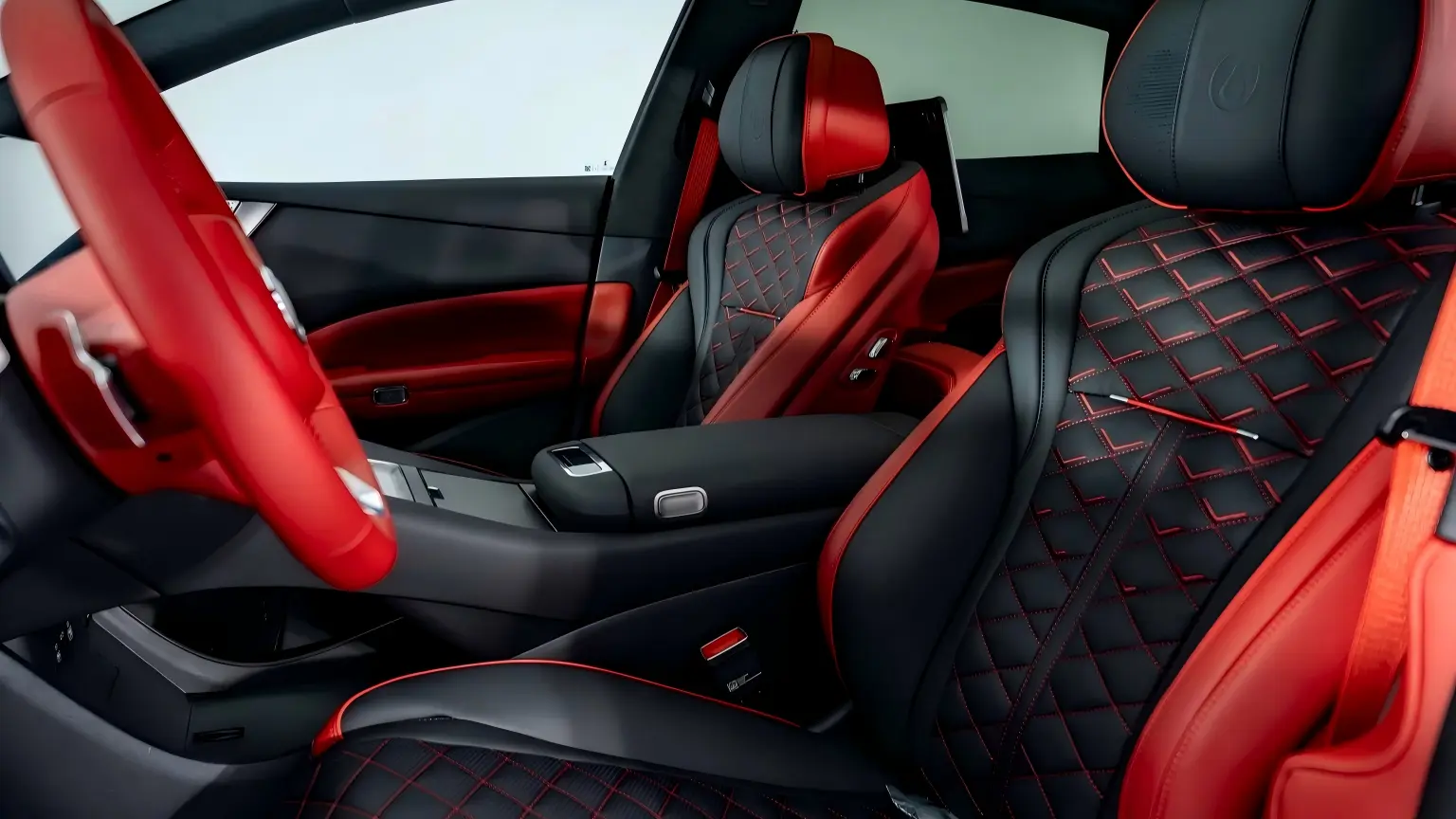
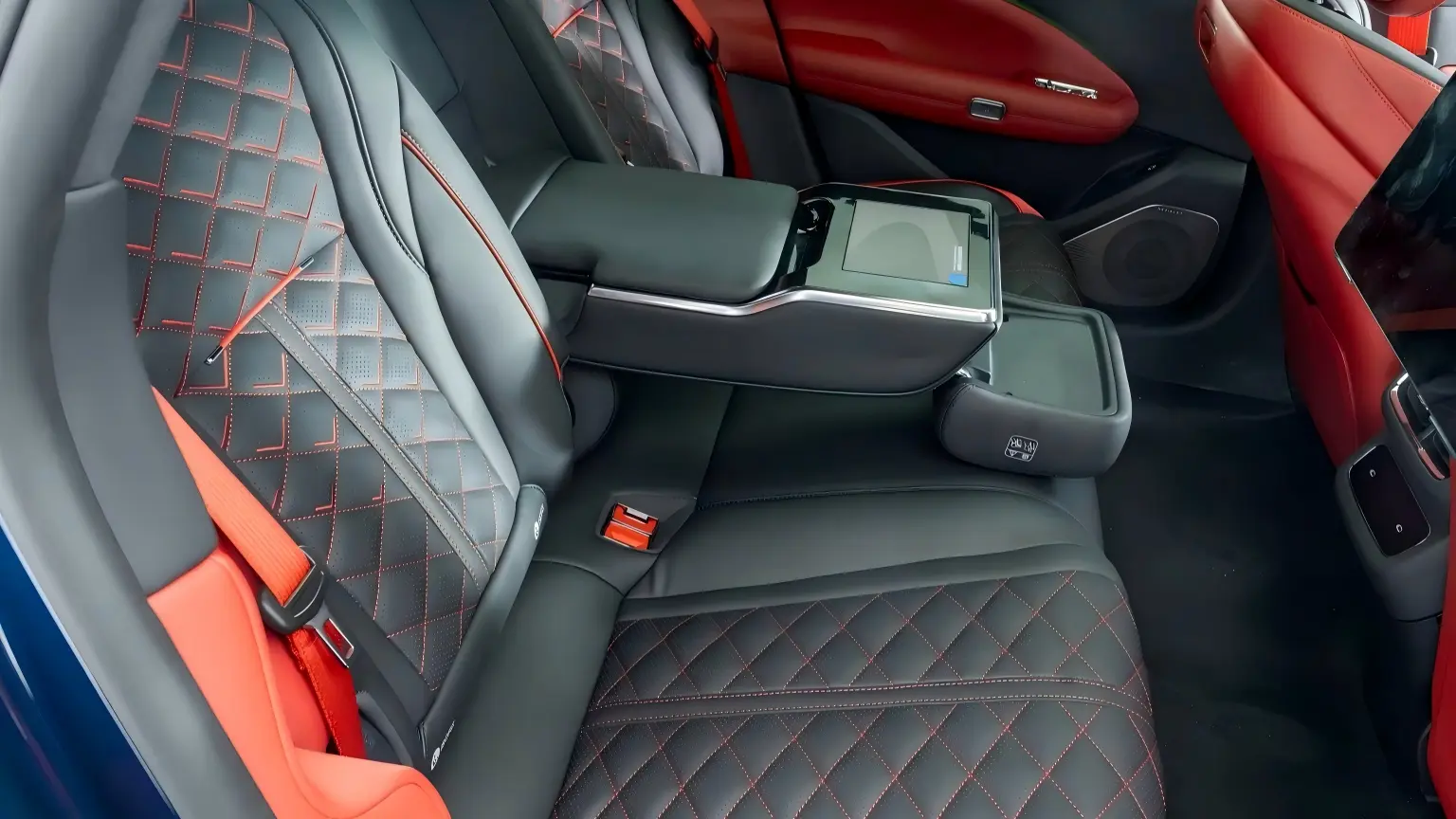
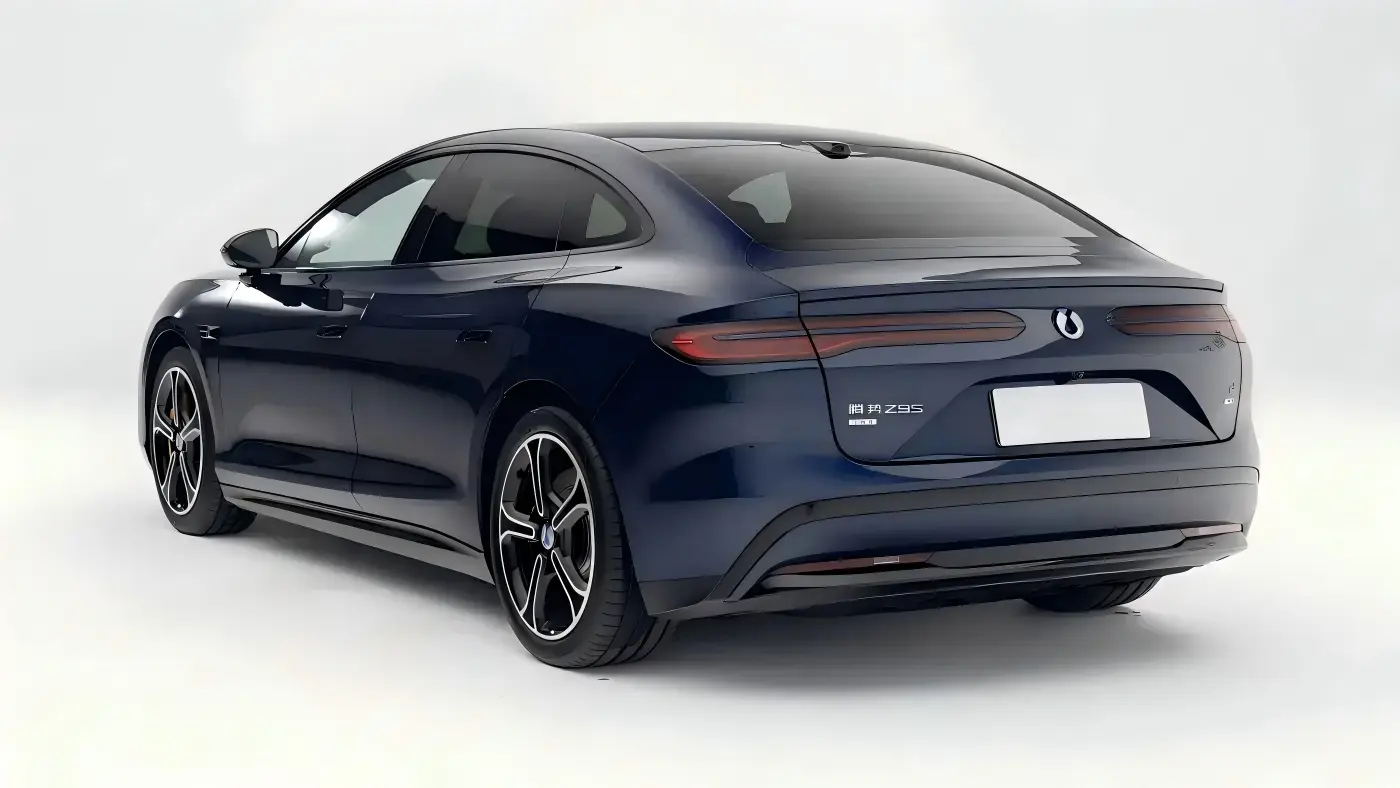
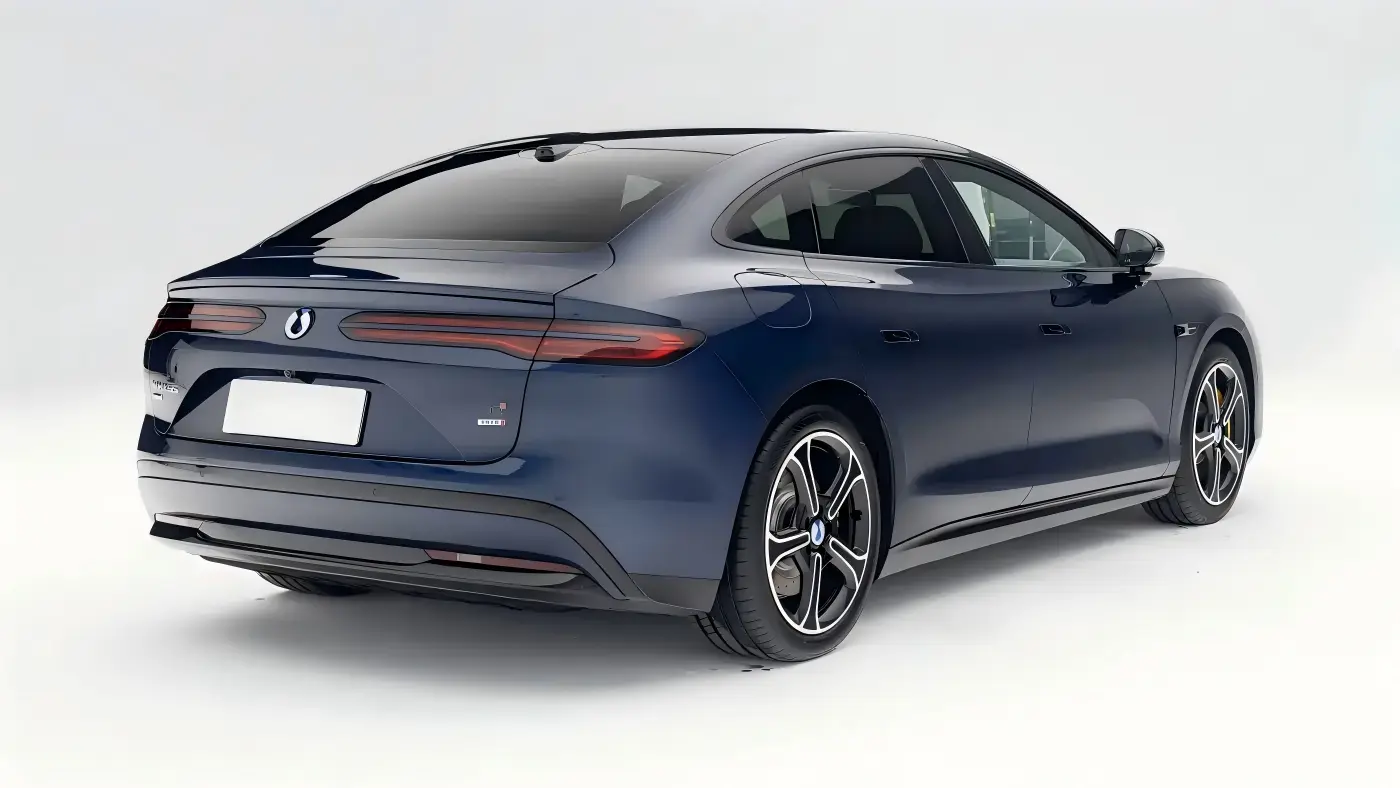
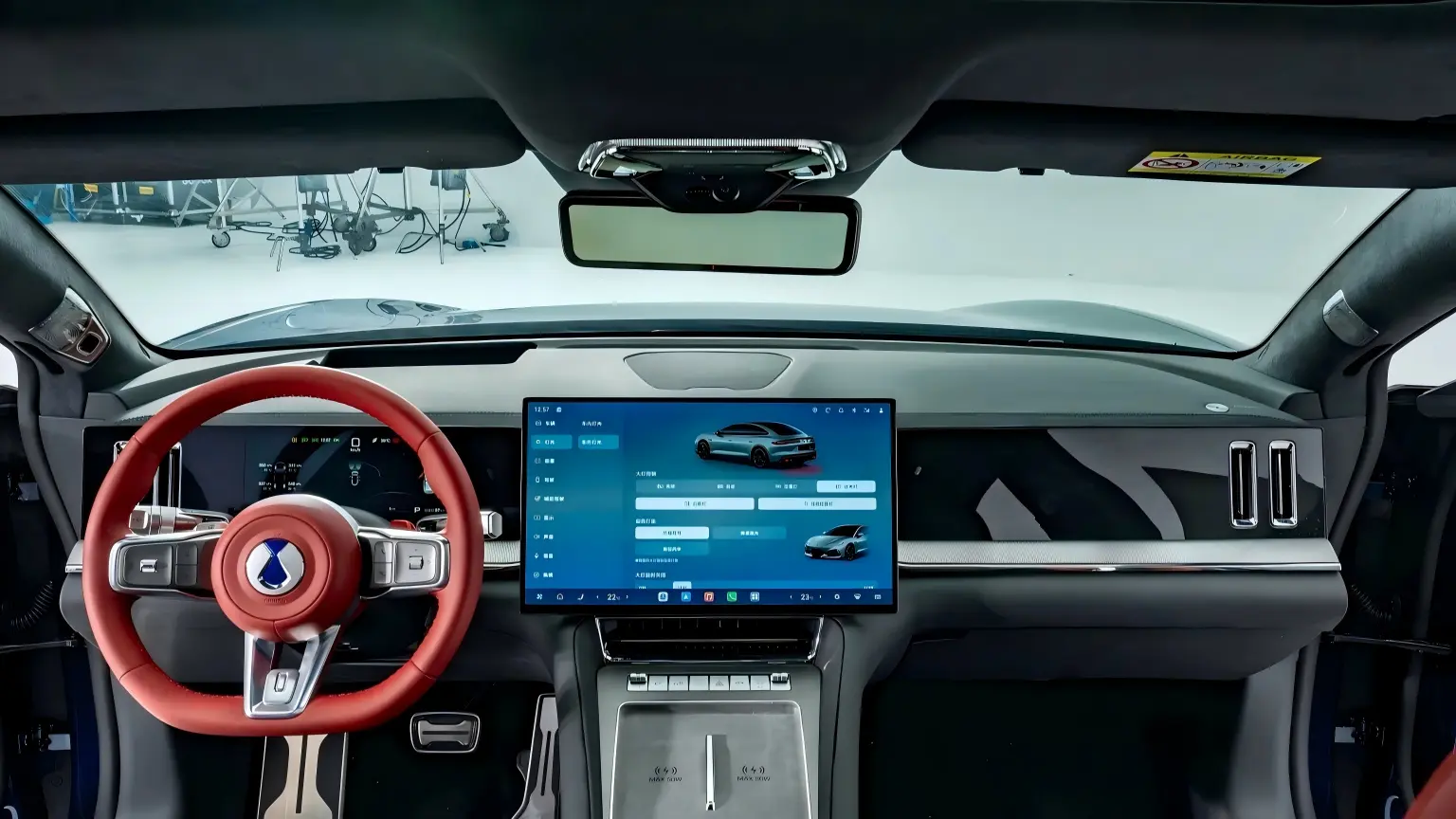
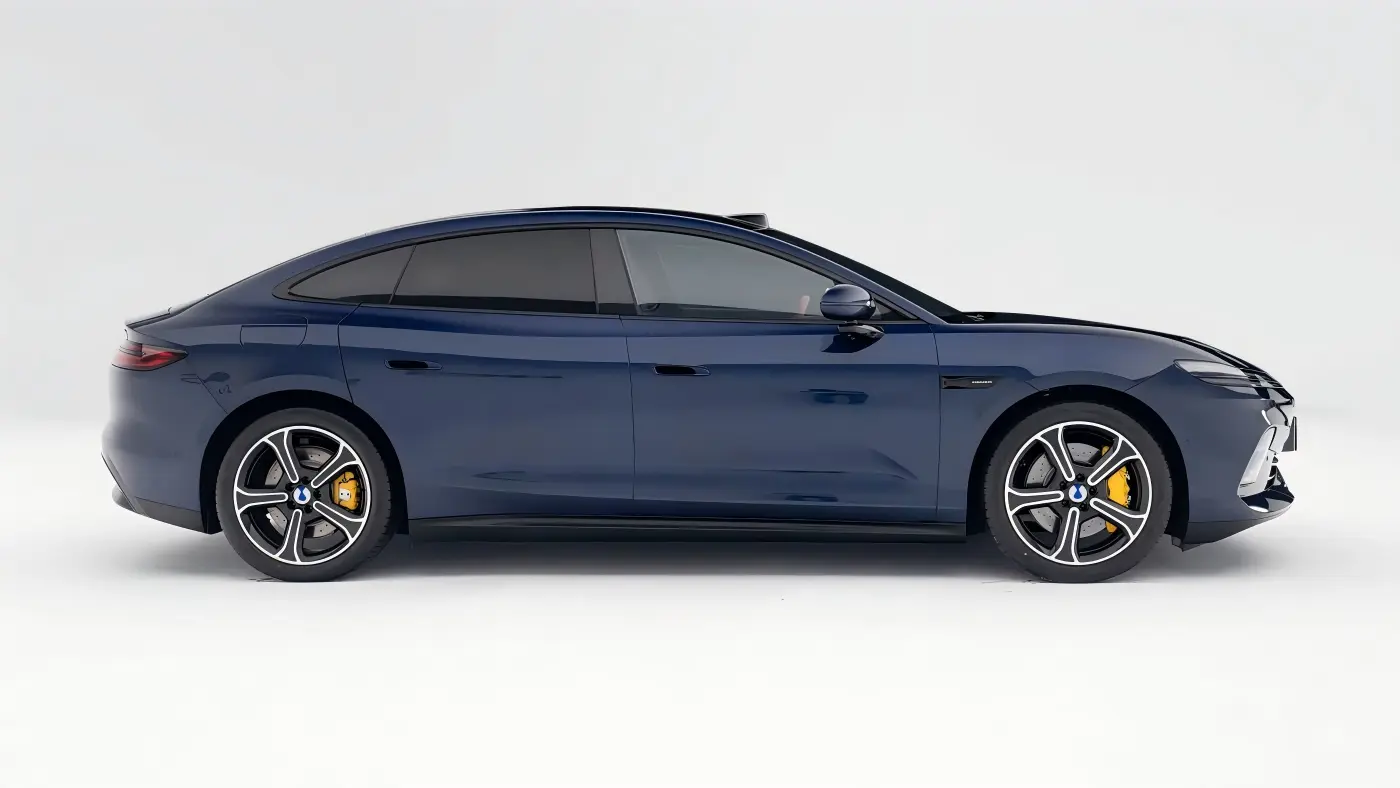
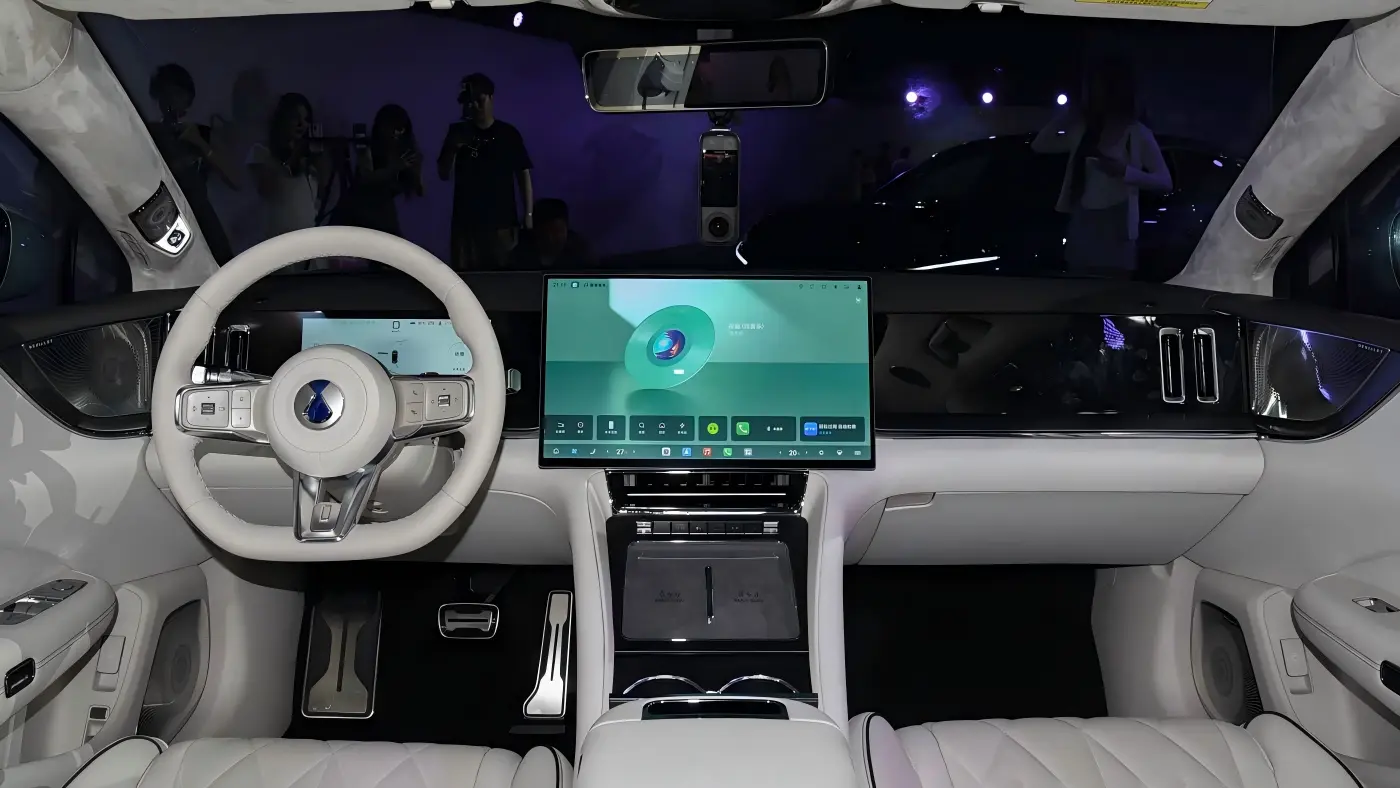
Photos: BYD official website
Ten global firsts
BYD claims the Z9S carries ten “global first” technologies — a marketing term, but one backed by verifiable engineering metrics. Here is what each claim rests on:
1,100 km CLTC range
Longest range of any production EV worldwide. The previous record holder, BYD’s own Denza Z9 EV, stood at 1,068 km.
9-minute full charge
10% to 97% in nine minutes at room temperature — the fastest charging speed of any production EV. At −30°C, the same charge takes twelve minutes.
1,210 PS maximum output
The most powerful luxury sedan under ¥500,000 (~$69,000). The E³ Performance trim’s tri-motor system delivers 890 kW.
2.68-second 0–100 km/h
Fastest acceleration in any luxury sedan under ¥500,000. The tri-motor AWD layout puts power down through all four wheels.
Beginner Drift Mode
The world’s only production drift-assist system designed for novice drivers. The E³ platform’s millisecond-level torque vectoring controls slides that typically require professional training.
Moose test: 141 / 131 km/h
Dry-road double-lane-change at 141 km/h, wet-road at 131 km/h — the highest recorded speeds for any production sedan in this test class.
Dual AI agent cabin
First production vehicle to ship with two intelligent agents: “DiDi Shrimp” for proactive trip planning and natural-language control, and “Diva” for interactive companion with dynamic facial expressions.
Apple CarPlay picture-in-picture
World-first floating window mode for CarPlay, allowing simultaneous phone and vehicle UI operation. The Z9S is also the only car supporting all major phone brands for screen mirroring.
Dual-liability ADAS guarantee
God’s Eye 5.0 covers urban NOA, highway pilot, and automated parking — with a unique dual safety-net policy: if the system causes a collision in city driving or parking, BYD covers the damage.
Body torsional rigidity: 45,036 N·m/deg
Highest in its class. High-strength steel and aluminum account for 91.1% of body structure, designed to C-NCAP five-star standards with nine airbags.
Several of these claims are straightforward benchmarks — range, acceleration, charging time. Others — the drift mode, the dual-AI cabin, the ADAS liability guarantee — are firsts in the sense that no other manufacturer has shipped a comparable feature to production. Whether all ten hold up under independent testing remains to be seen, but the engineering substance behind each is documented in BYD’s regulatory filings and pre-sale specifications.
The following photos were captured first-hand by an evsays editor on the ground at the Z9S pre-sale launch event in Shenzhen.
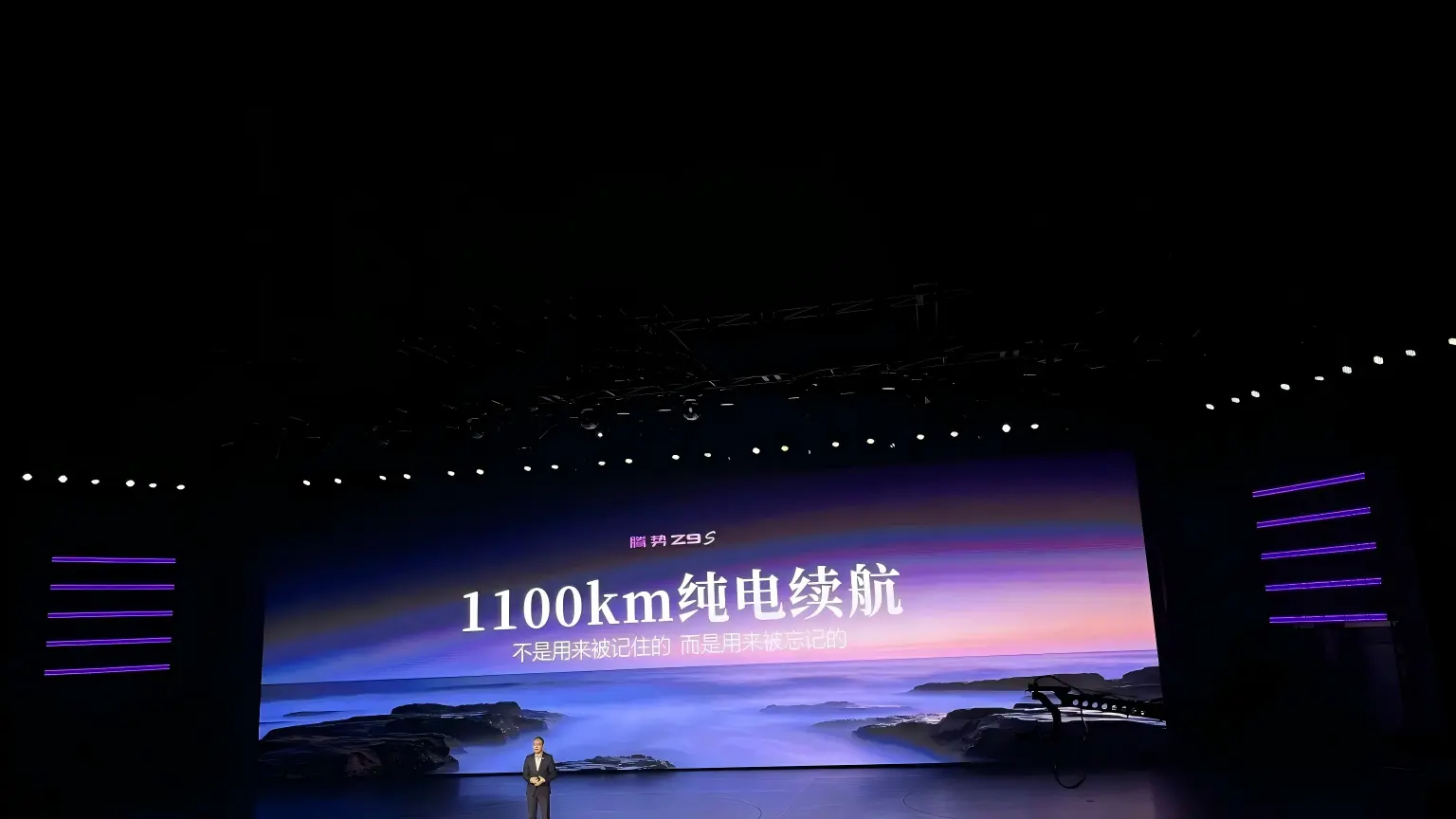
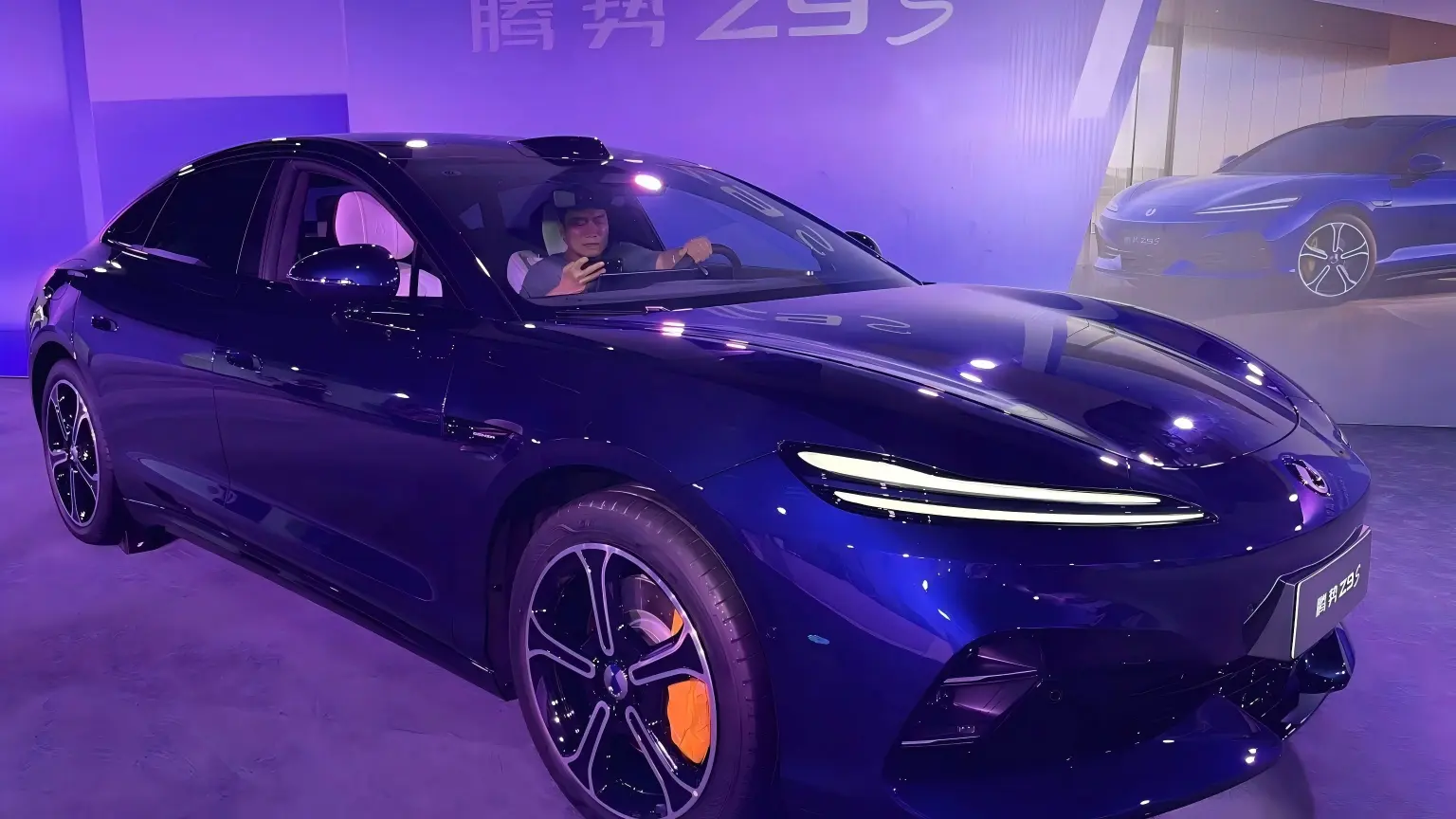
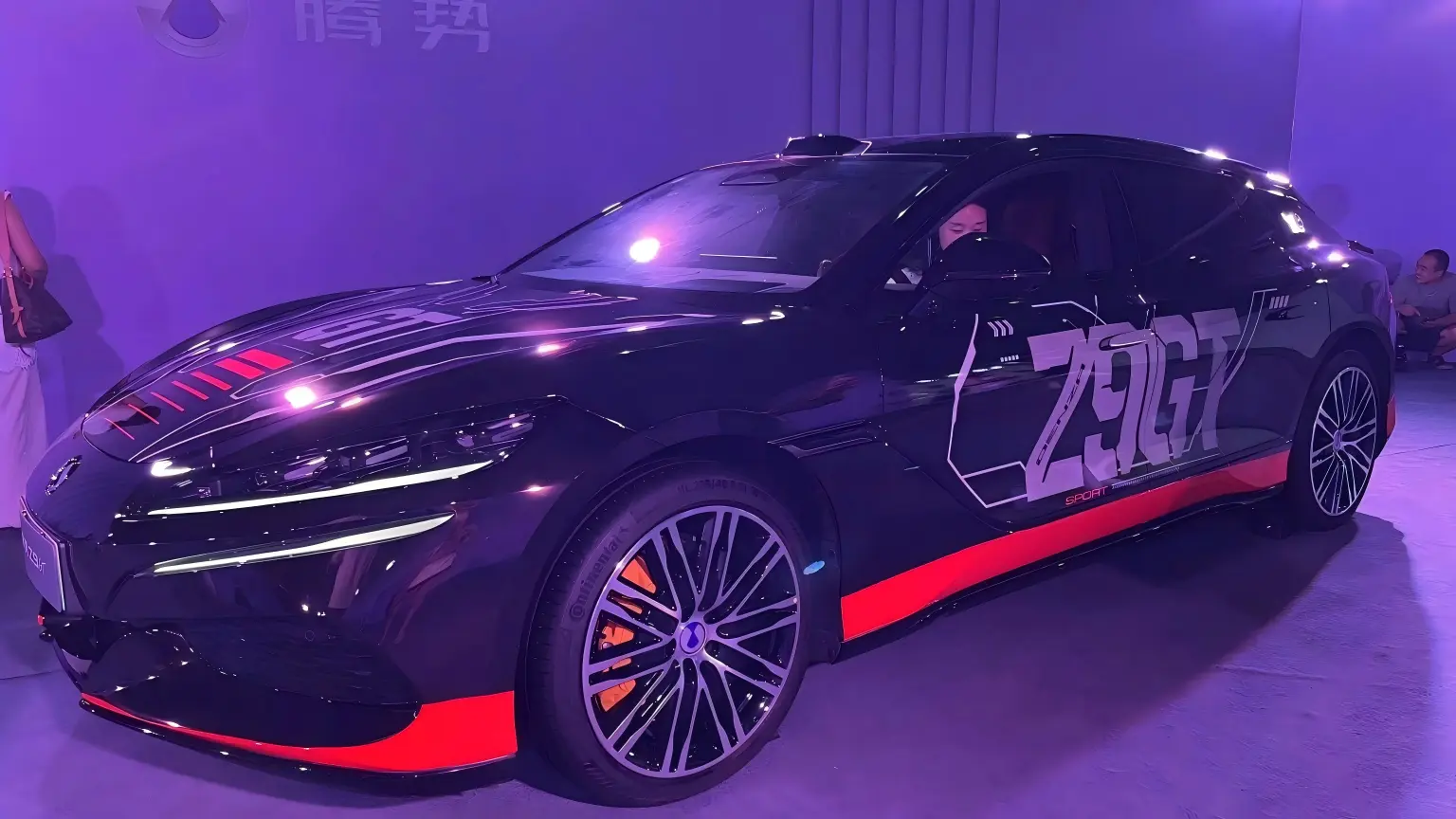
Photos: Taken by evsays editor at the Z9S launch event in Shenzhen
Three trims, shared platform
All three Z9S variants use BYD’s second-generation Blade Battery and E³ (Easy Three) platform. The performance model produces 1,210 horsepower from a triple-motor AWD layout and reaches 100km/h in 2.68 seconds.
| Trim | CLTC Range | Power | Price (yuan) | USD equiv. |
|---|---|---|---|---|
| Flash Charge Premium | 920 km | 370 kW (RWD) | 319,800 | ~$44,500 |
| Flash Charge Flagship | 1,100 km | 370 kW (RWD) | 349,800 | ~$48,600 |
| E³ Flash Charge Performance | 780 km | 890 kW (AWD) | 389,800 | ~$54,100 |
Standard equipment includes rear-wheel steering (±5 degrees, 4.75-meter turning radius), DiSus-A air suspension with road preview scanning, and God’s Eye 5.0 driver assistance covering urban NOA, highway pilot, and automated parking. BYD offers a liability guarantee on both city driving and parking assist — if the system causes a collision, the company covers the damage.
The cabin features Nappa leather, Alcantara headliner, a 120-liter frunk, and a 470-liter expandable trunk. A 7-inch rear armrest screen controls climate, seats, and sunshades. The Z9S also introduces Apple CarPlay picture-in-picture mode — a first in production vehicles — alongside BYD’s “DiDi Shrimp” AI assistant for natural-language vehicle control. CarNewsChina first revealed the Z9S in July when regulatory filings exposed the tri-motor configuration and 920km range figure; the 1,100km variant announced at pre-sale adds a higher-capacity battery pack (122.5 kWh versus 102.3 kWh) to the single-motor trim.
1,000-volt charging, built in-house
BYD launched its “Flash Charge China” strategy on March 5 with a target of 20,000 proprietary stations by year-end. As of late June, 7,018 stations were operational across 325 cities, with over 1,000 added in the final two weeks of June alone.
Each station delivers up to 1,500 kW per charging gun — roughly ten times the output of a standard DC fast charger — and operates at 1,000 volts and 1,000 amps. The stations are equipped with integrated battery storage cabinets, which buffer grid demand by storing energy during off-peak hours and discharging it during charging sessions. This design allows BYD to install high-power stations in locations where the local grid could not otherwise support 1,500 kW draws.
In June, BYD signed a partnership with Sinopec to install flash charging points inside more than 30,000 existing gas stations nationwide. The coverage plan calls for one flash charging station every 3 kilometers in tier-1 and tier-2 cities, every 5 km in tier-3 and tier-4, and every 6 km in tier-5 and tier-6. On highways, stations will cover approximately one-third of all service areas — an average of one every 100 kilometers.
| Brand | Self-Operated Charging Stations (China) |
|---|---|
| BYD | 7,018 (target: 20,000 by Dec 2026) |
| Li Auto | 4,092 |
| Xpeng | 2,650 |
| Tesla | 2,600 |
| NIO | 1,765 |
If the 20,000-station target is met, the combined storage capacity of the stations’ battery cabinets would reach approximately 7.2 GWh — making BYD one of China’s largest distributed energy storage operators as a byproduct of its charging build-out. The same approach is being exported: BYD’s overseas brand restructuring includes plans for 6,000 flash chargers across Europe, the Americas, and Asia-Pacific by March 2027.
Vertical integration as infrastructure strategy
The Z9S and its charging network share a common origin: BYD manufactures the battery cells that power both. The company produces the vehicles, owns the charging stations, builds the storage cabinets installed at those stations, and supplies the LFP cells inside them. This vertical stack means that improvements in battery technology — higher energy density, faster charging chemistry — propagate simultaneously across the car, the charger, and the grid storage behind it.
Tesla operates the closest comparable network with its Supercharger system, but the two models differ in several respects. Tesla does not manufacture its own battery cells at BYD’s scale, its China Supercharger count stands at roughly 2,600 — less than half of BYD’s current flash charging footprint — and Tesla’s stations do not include integrated battery storage. NIO’s battery-swap network, at 1,765 stations, addresses charging time differently by exchanging packs rather than fast-charging them, but requires proprietary battery form factors that limit compatibility. The Seal 08, launched in July at 900km range, was the first BYD model to pair the second-generation Blade Battery with flash charging commercially; the Z9S extends the same technology to a higher price tier.
The rest of the Chinese EV industry has largely settled on 800-volt architectures. BYD’s system runs at 1,000 volts with 1,000-amp current, and the company has indicated it is already developing higher-power successors. Pre-order customers for the Z9S receive 18 months of free flash charging — a subsidy that BYD can offer at marginal cost because it owns the infrastructure.
July sales context
BYD sold 419,200 vehicles in July, up 22% year-over-year, marking its 62nd consecutive month of year-on-year growth. Overseas sales reached a record 179,800 units, a 124% increase from the same month last year. The Denza brand contributed nearly 20,000 units. Combined exports from China’s top five automakers — BYD, Chery, Geely, Great Wall, and SAIC — reached 693,400 units in July, up 93.5% year-over-year.
BYD has not announced a delivery timeline for the Z9S. Pre-sales are open across all three trims, with customer deliveries expected to follow based on production scheduling.
Further reading: CarNewsChina’s coverage of the Denza Z9S pre-sale includes additional exterior design details and color options.