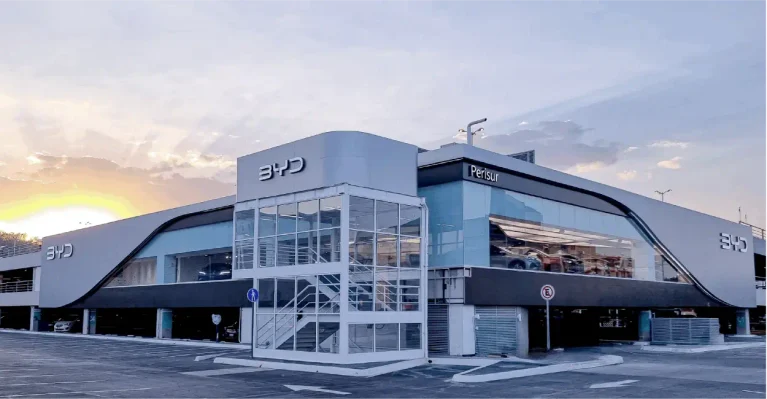


The brand BYD built to sell boxy off-road SUVs has just launched a sedan — and priced it RMB 40,100 below the number it announced six weeks earlier.
The Fang Cheng Bao Formula S sedan and the Formula S GT shooting brake went on sale on Wednesday, September 16, at an event in Shanghai, according to the brand’s own product pages. The Formula S comes in five variants priced from RMB 189,900 to RMB 229,900 (about $26,200 to $31,700); the GT comes in four, from RMB 219,900 to RMB 239,900 (about $30,300 to $33,100).
Pre-orders had opened on August 20 at RMB 230,000 to RMB 280,000, a range the brand announced itself. The official entry price landed RMB 40,100 — or 17.4% — below the floor it had set for itself. That gap, not the car, is the most informative number in the launch.
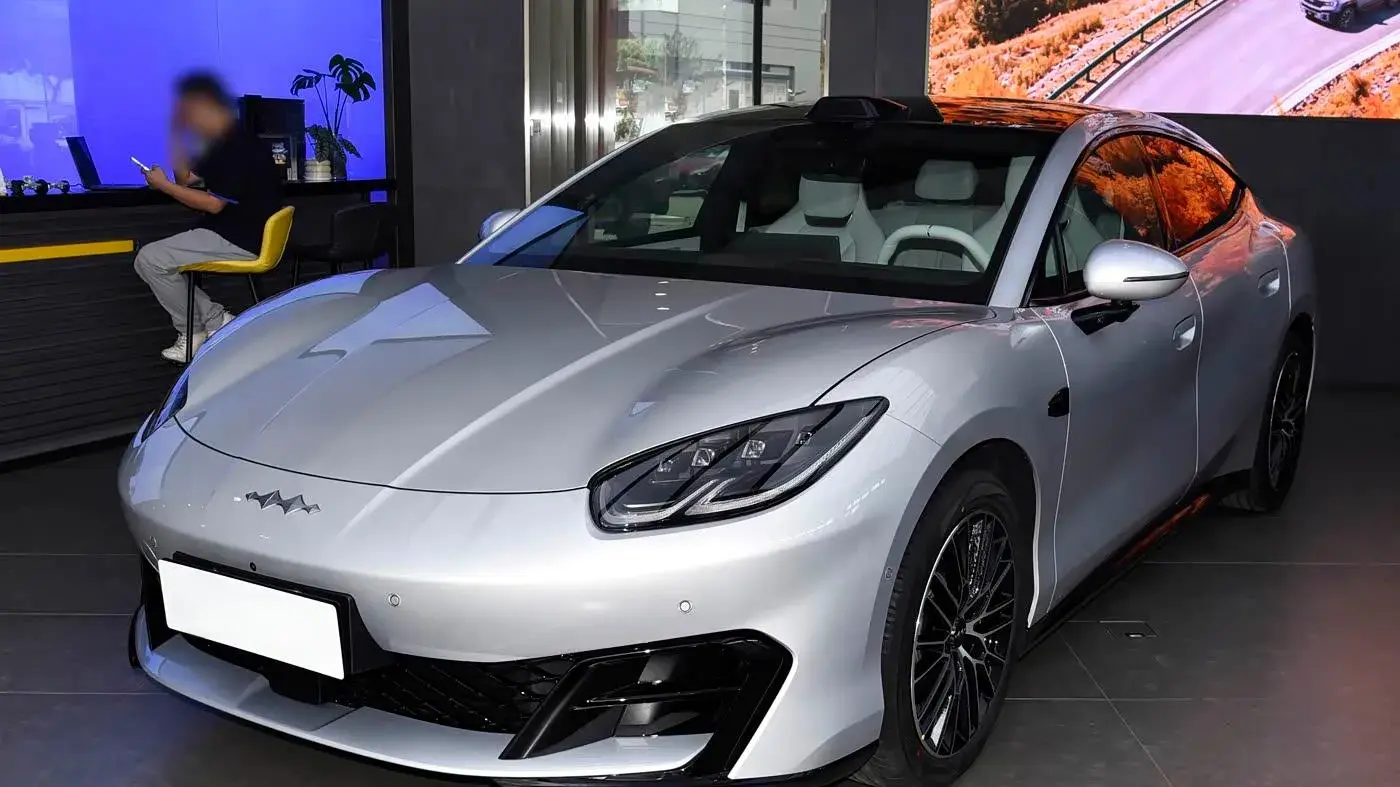
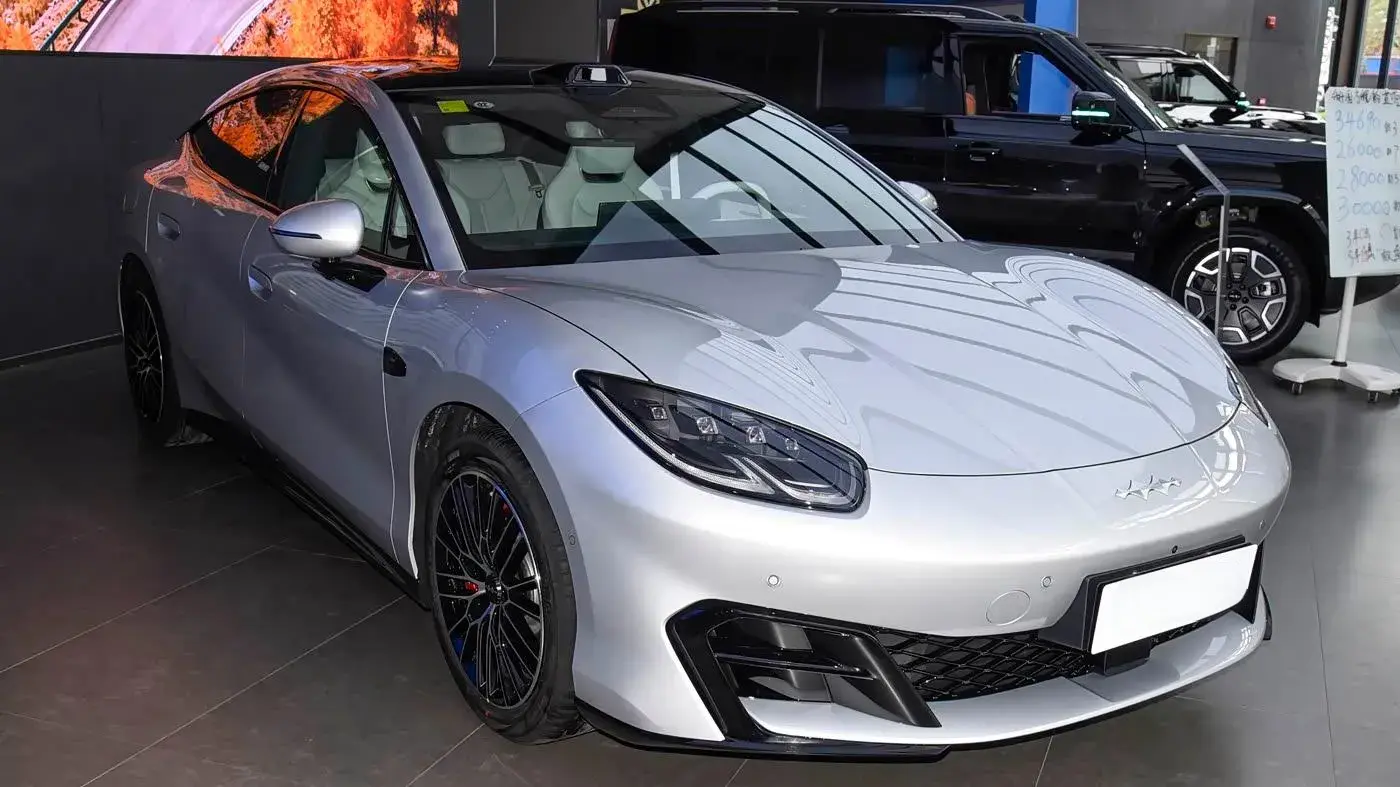
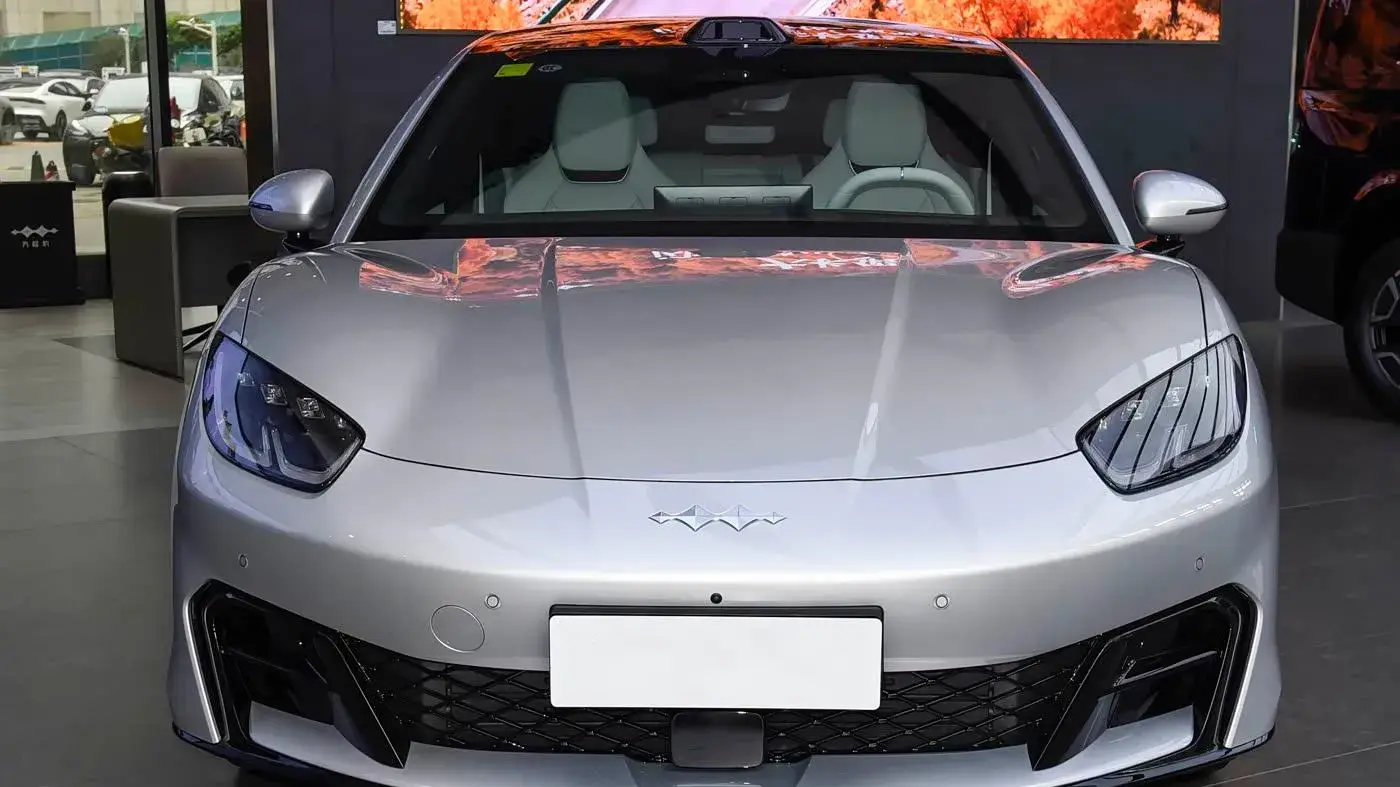
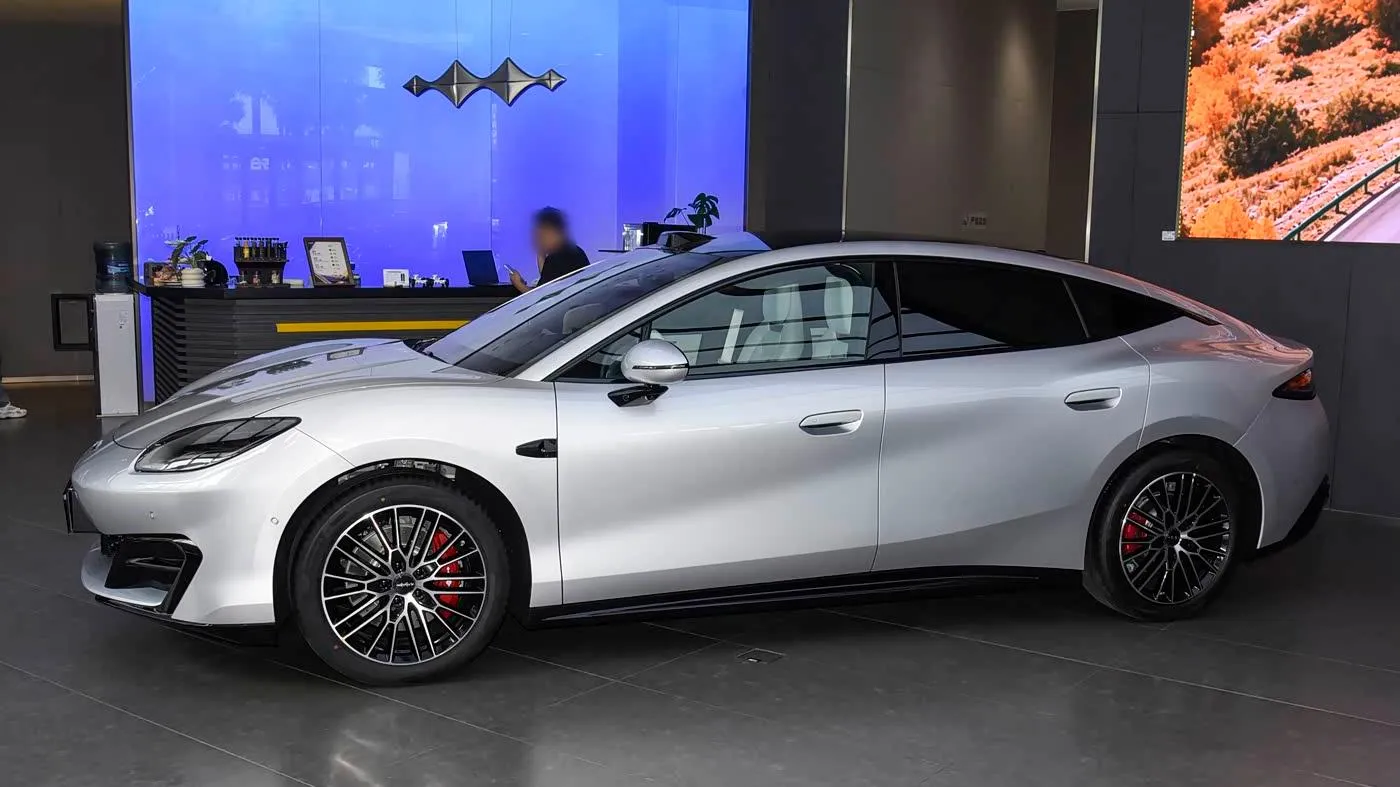
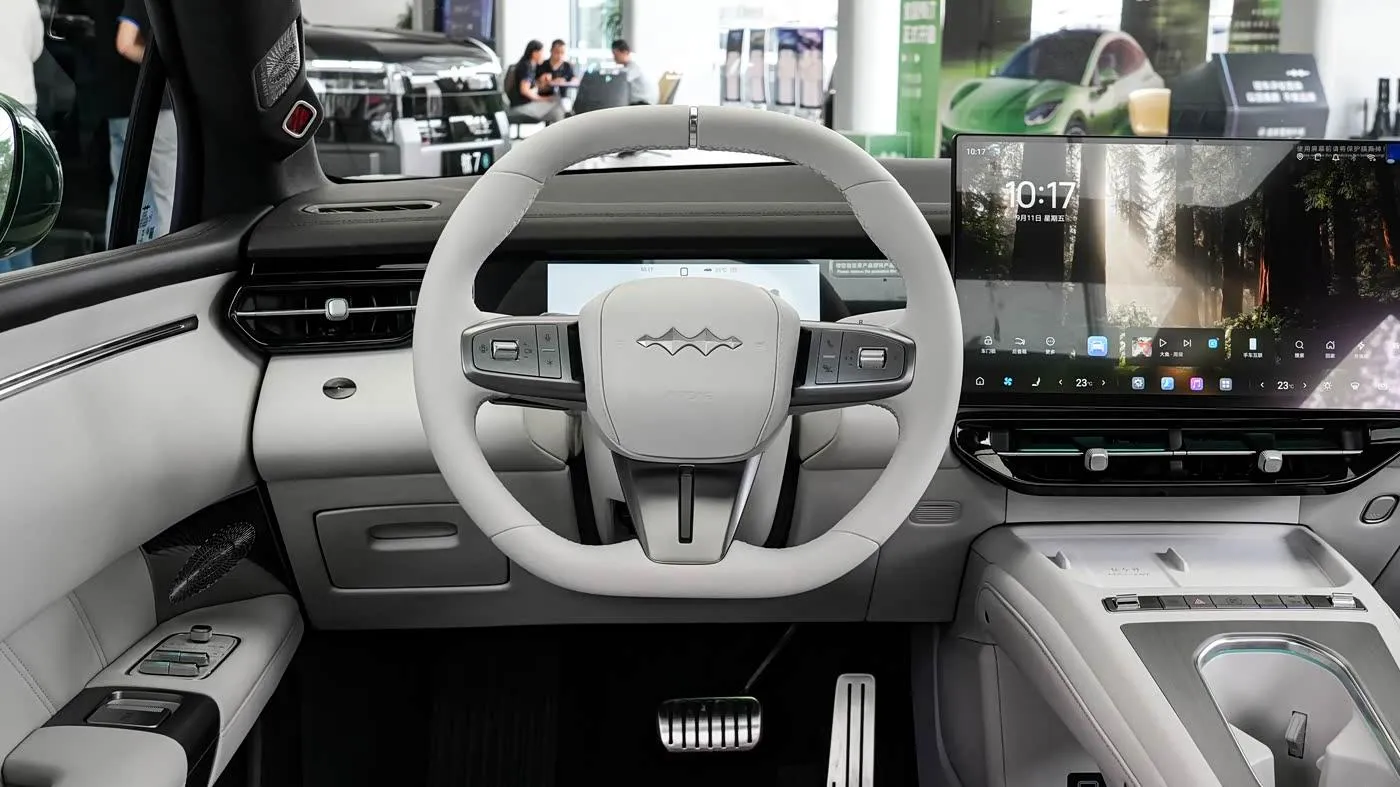
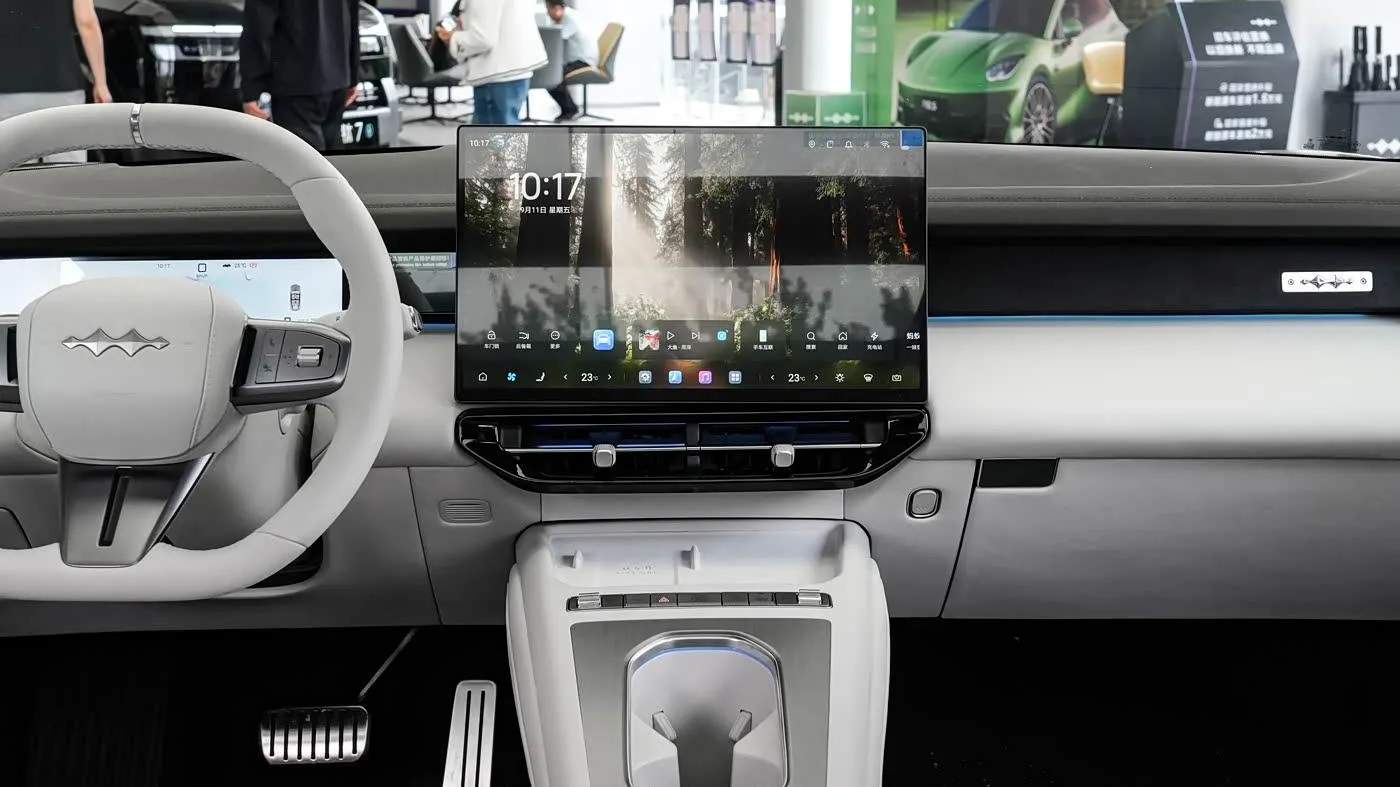
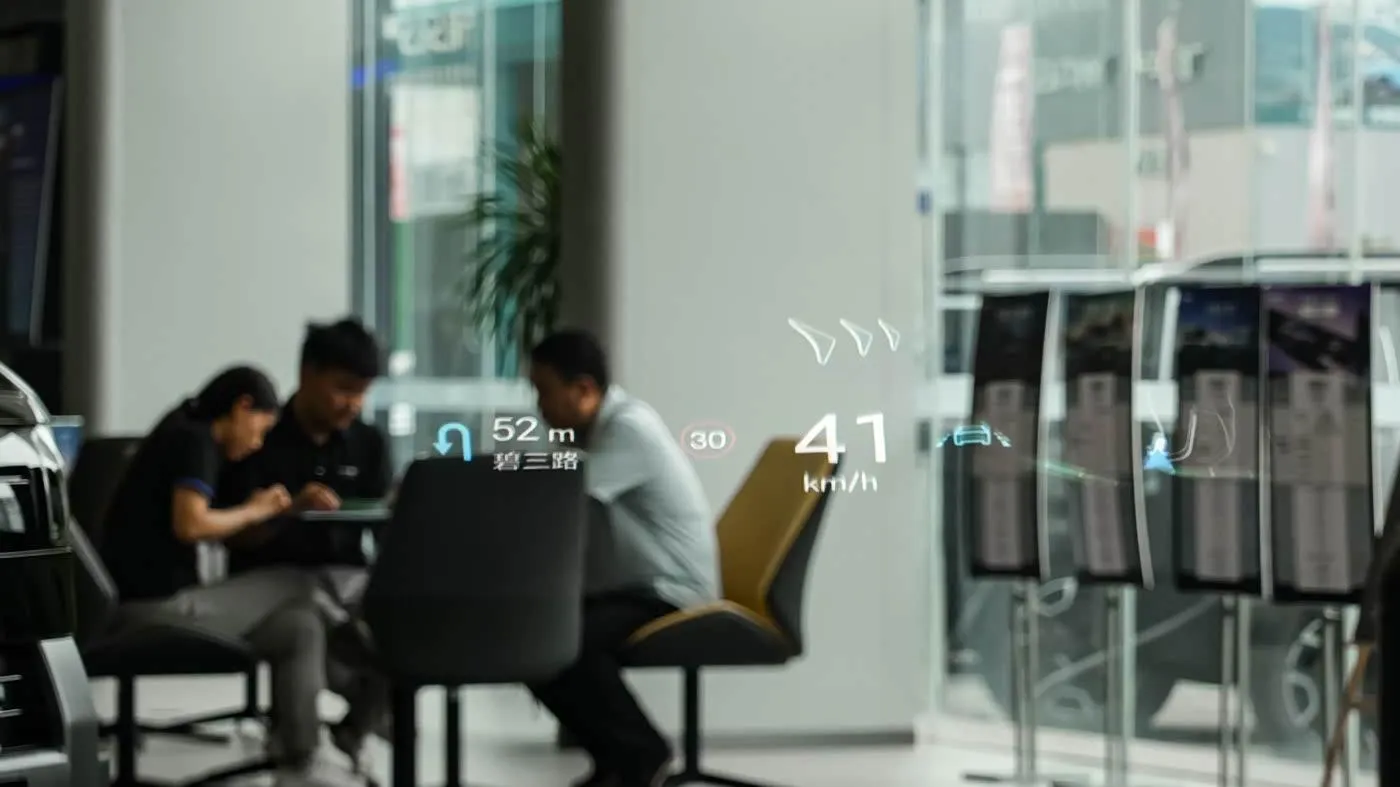
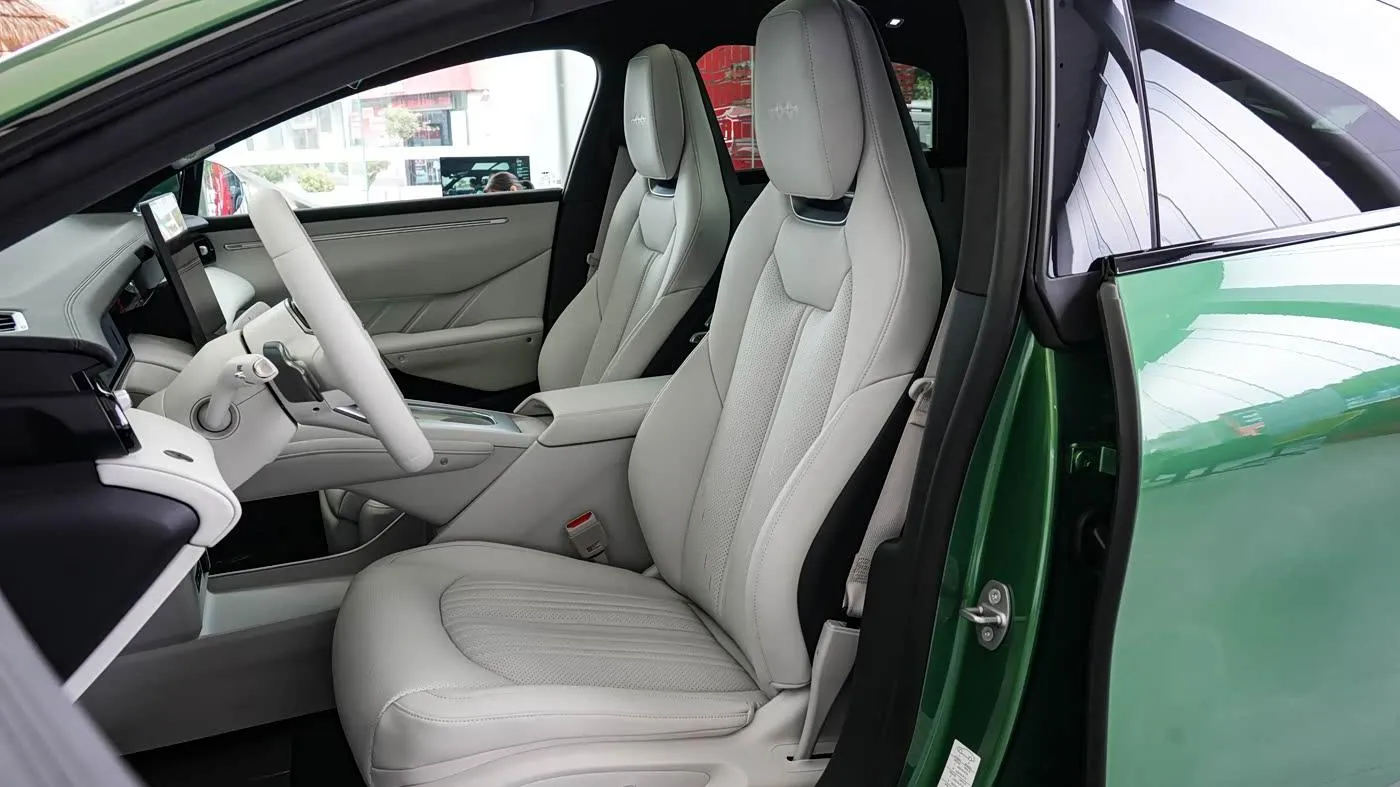
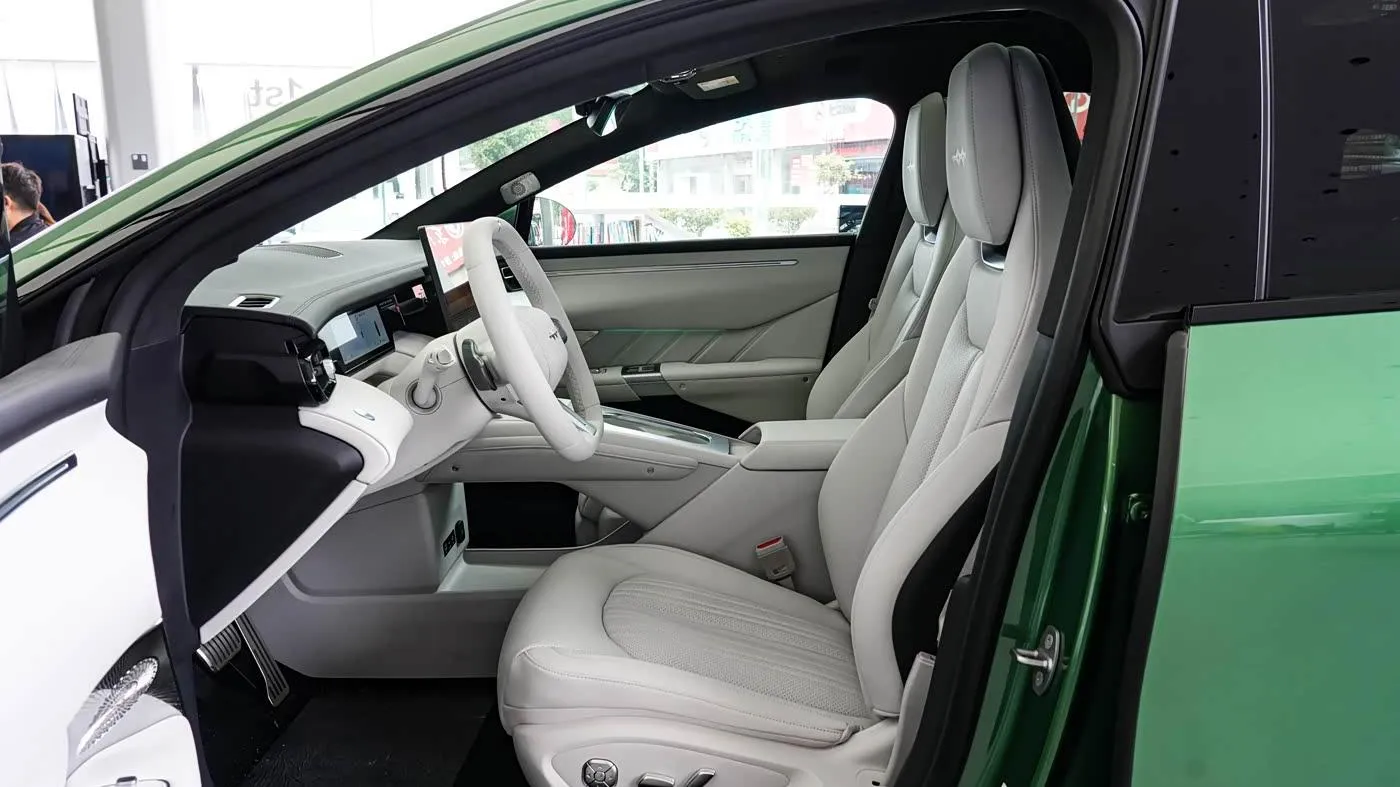
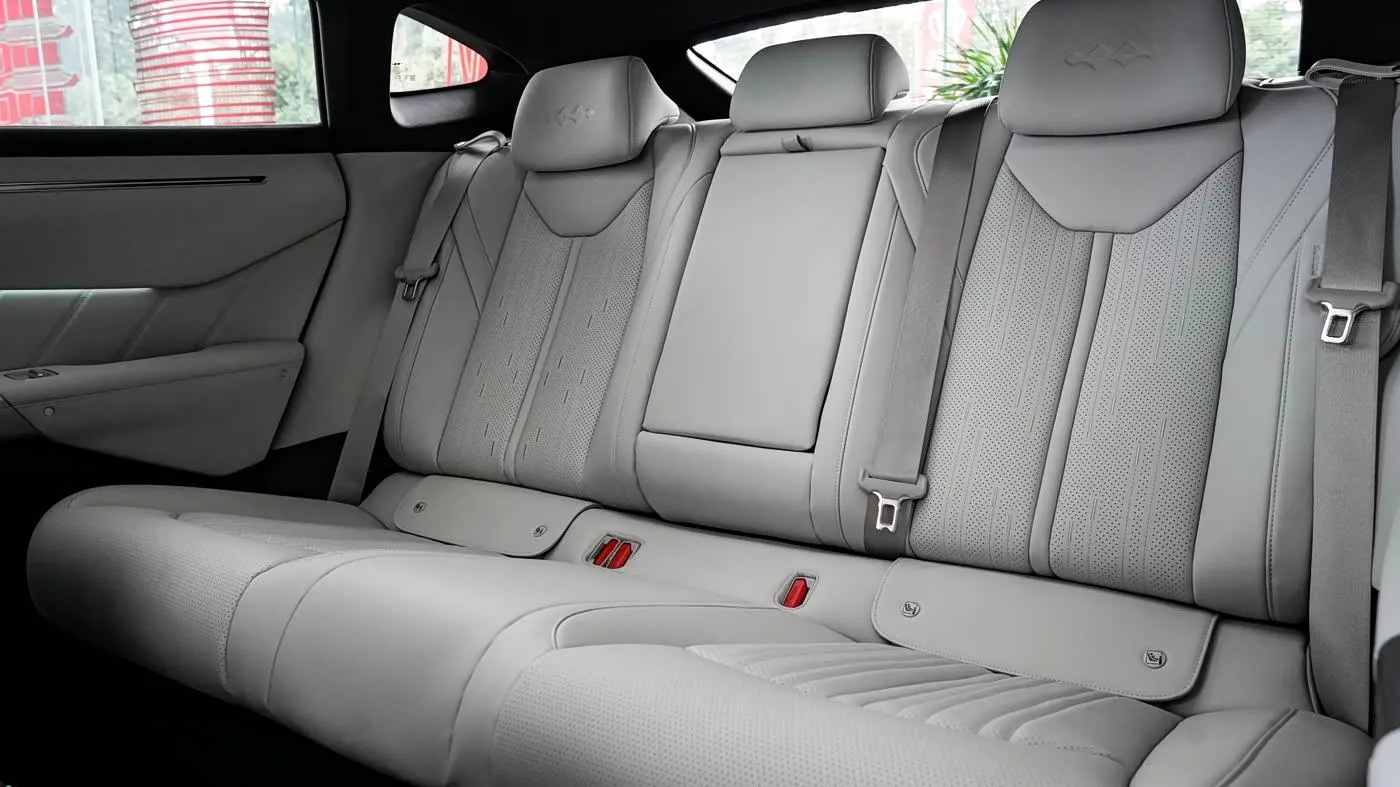
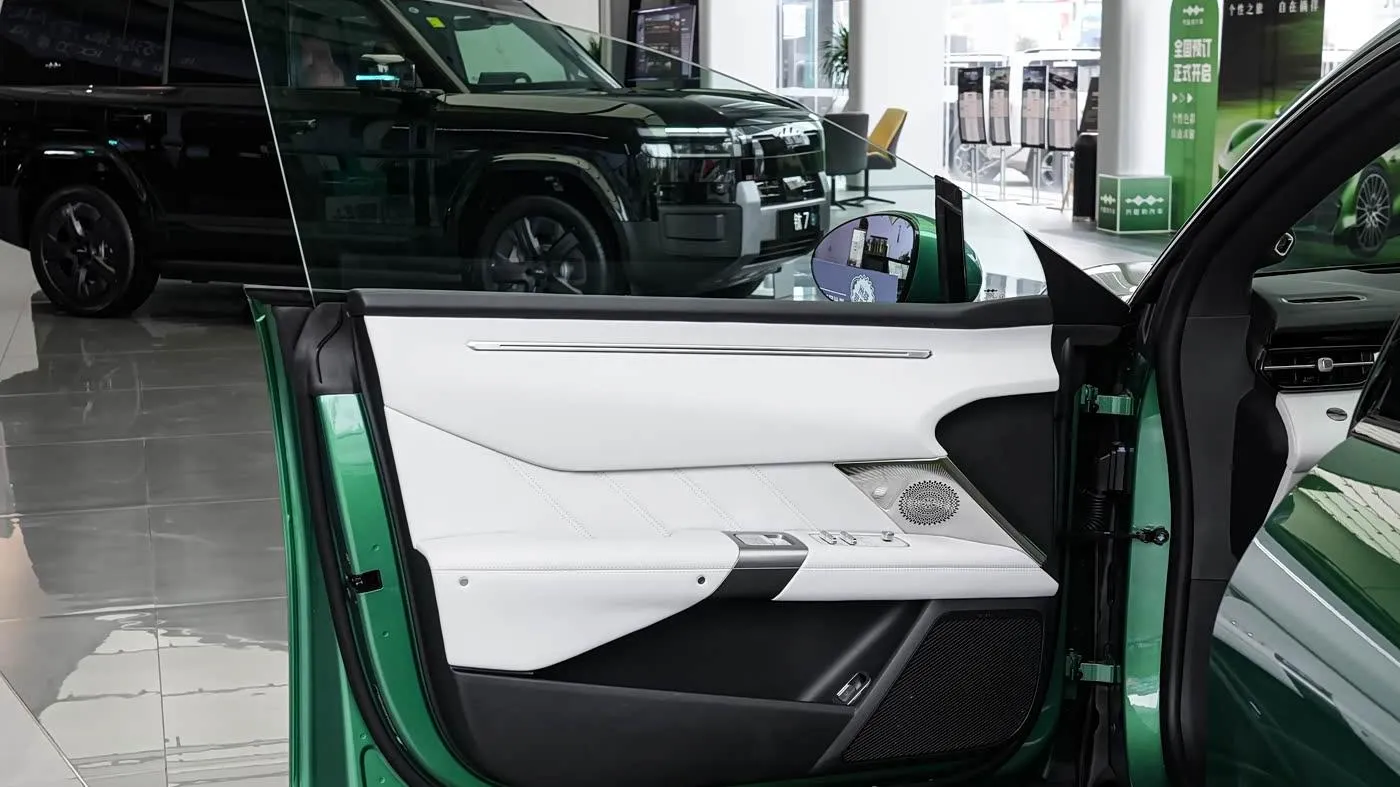
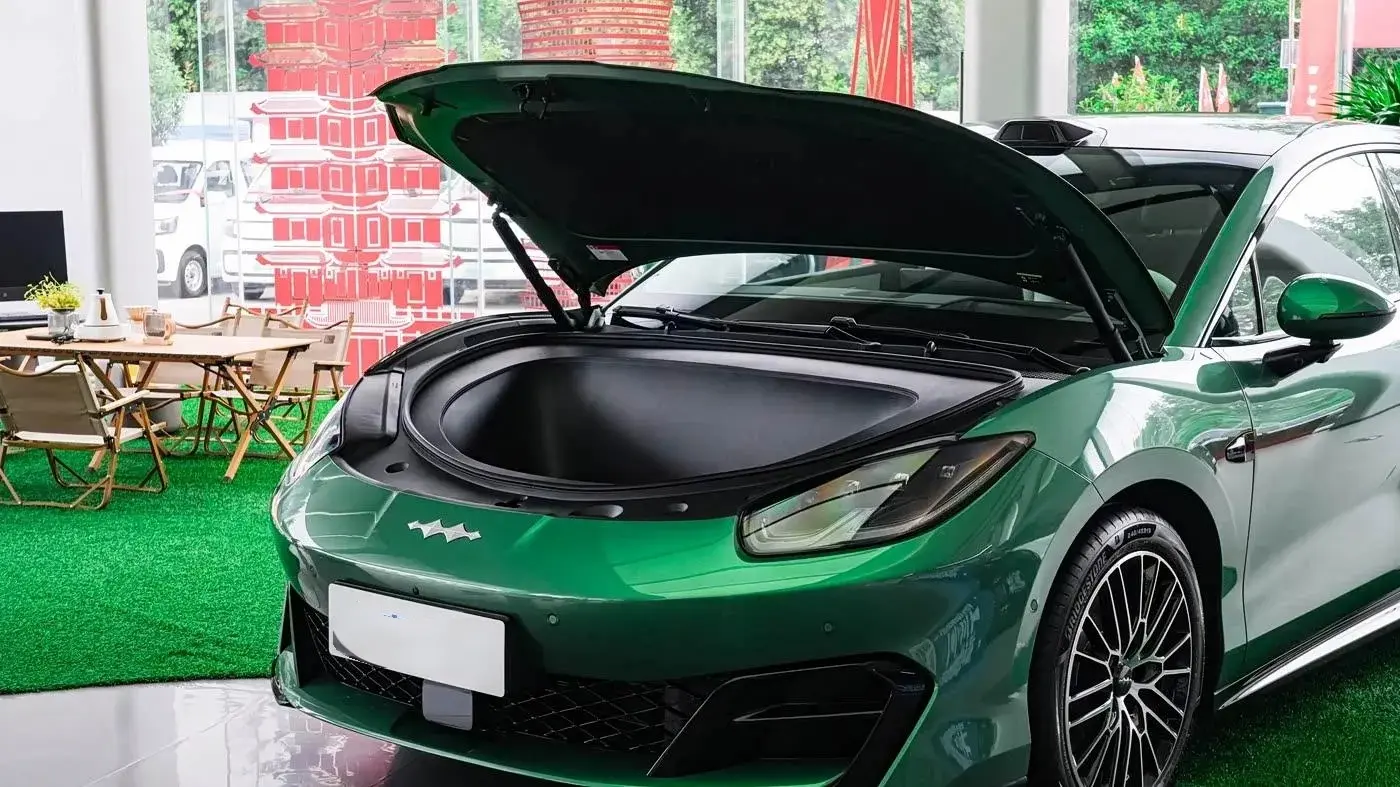
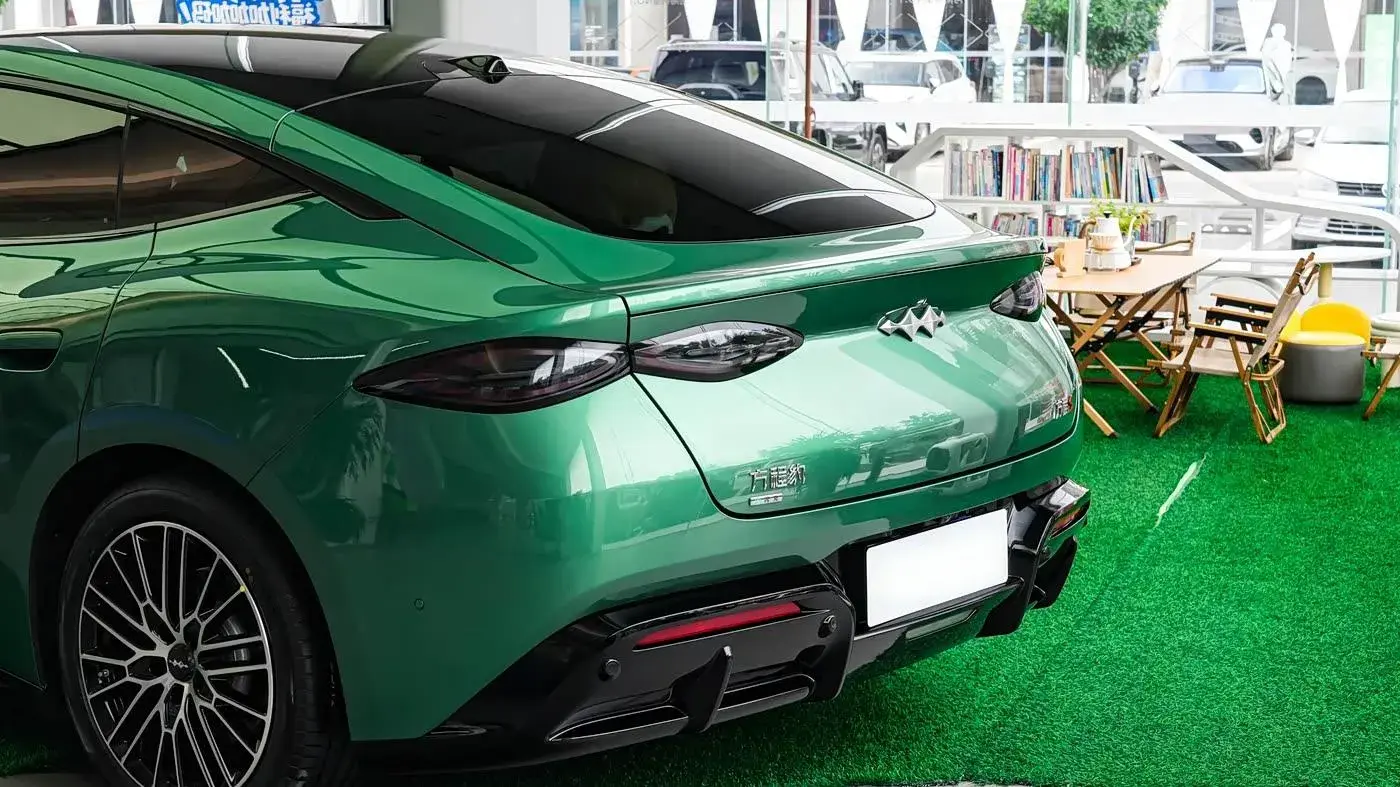
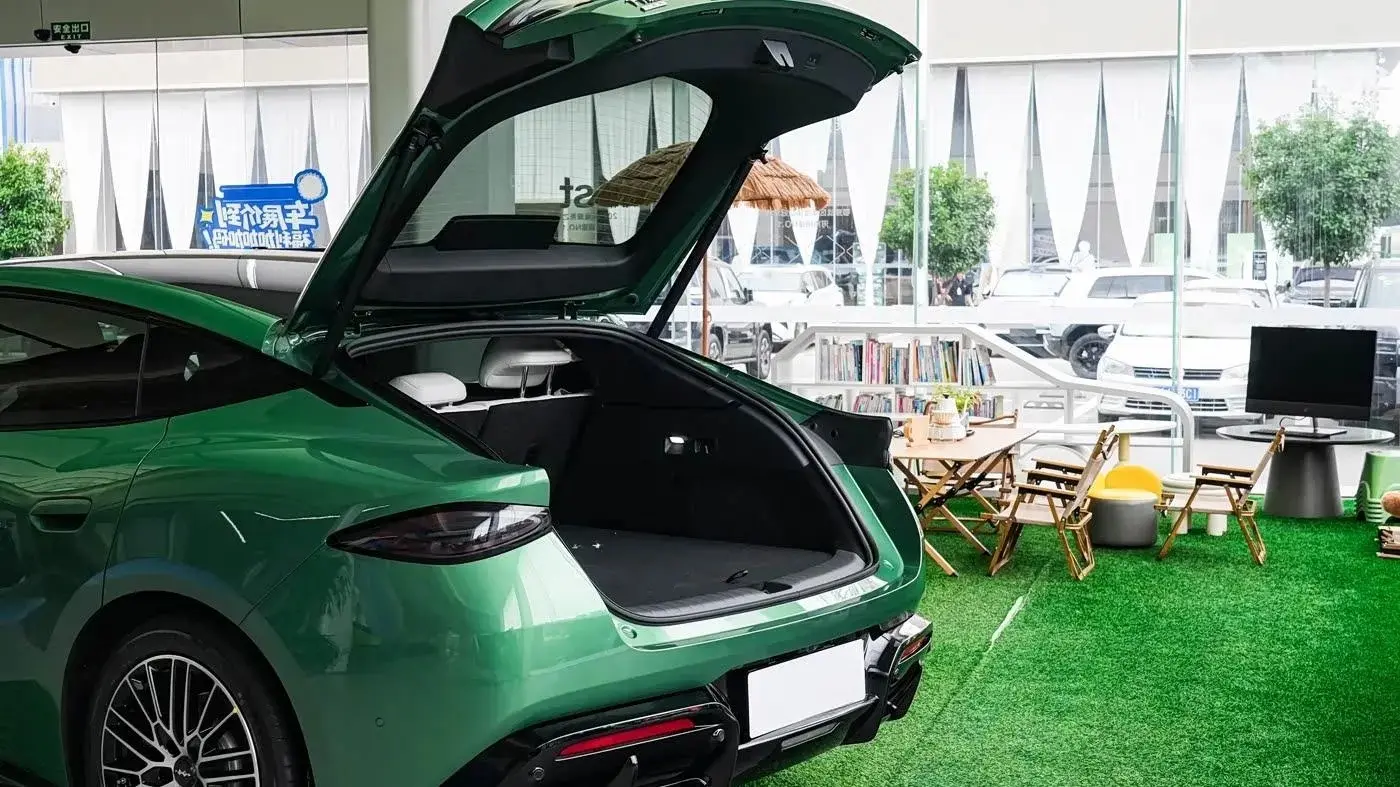
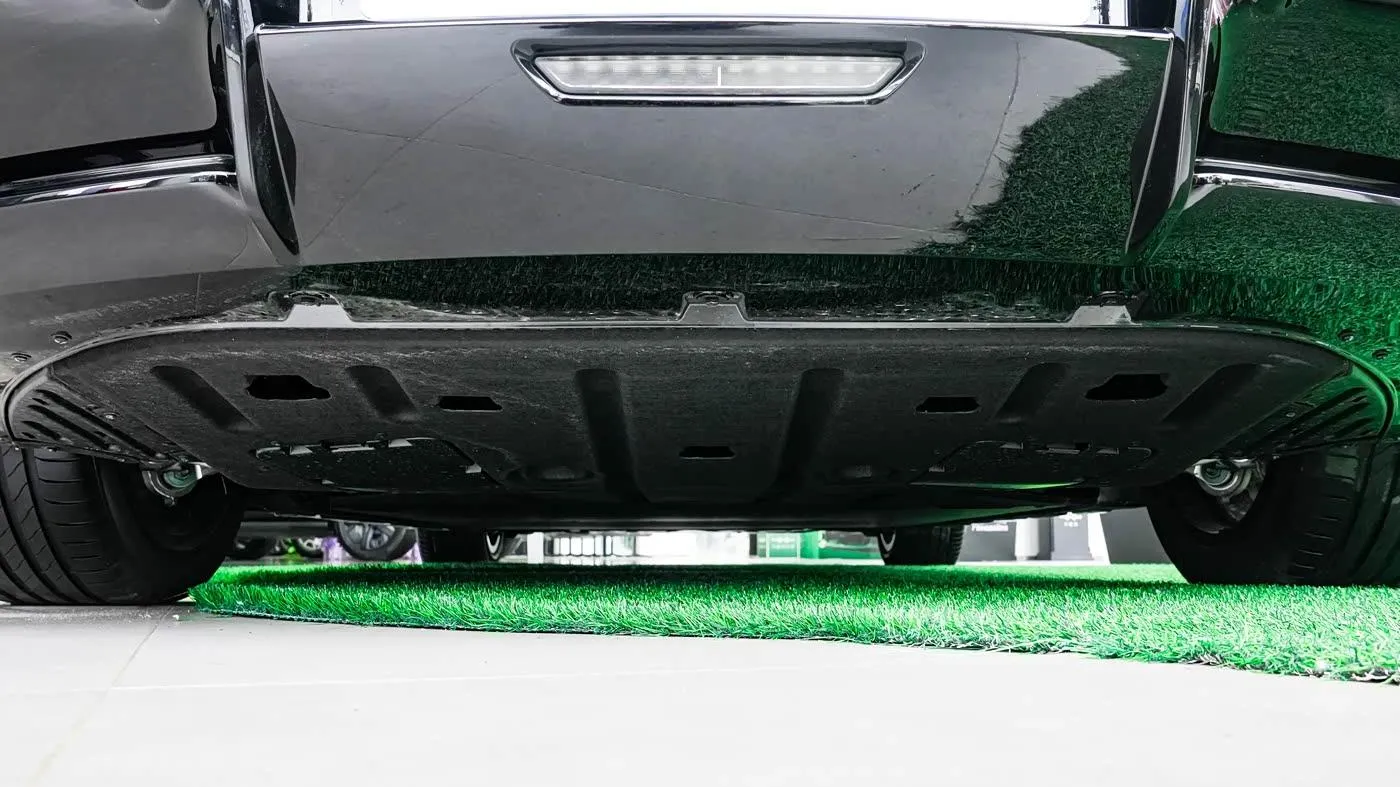
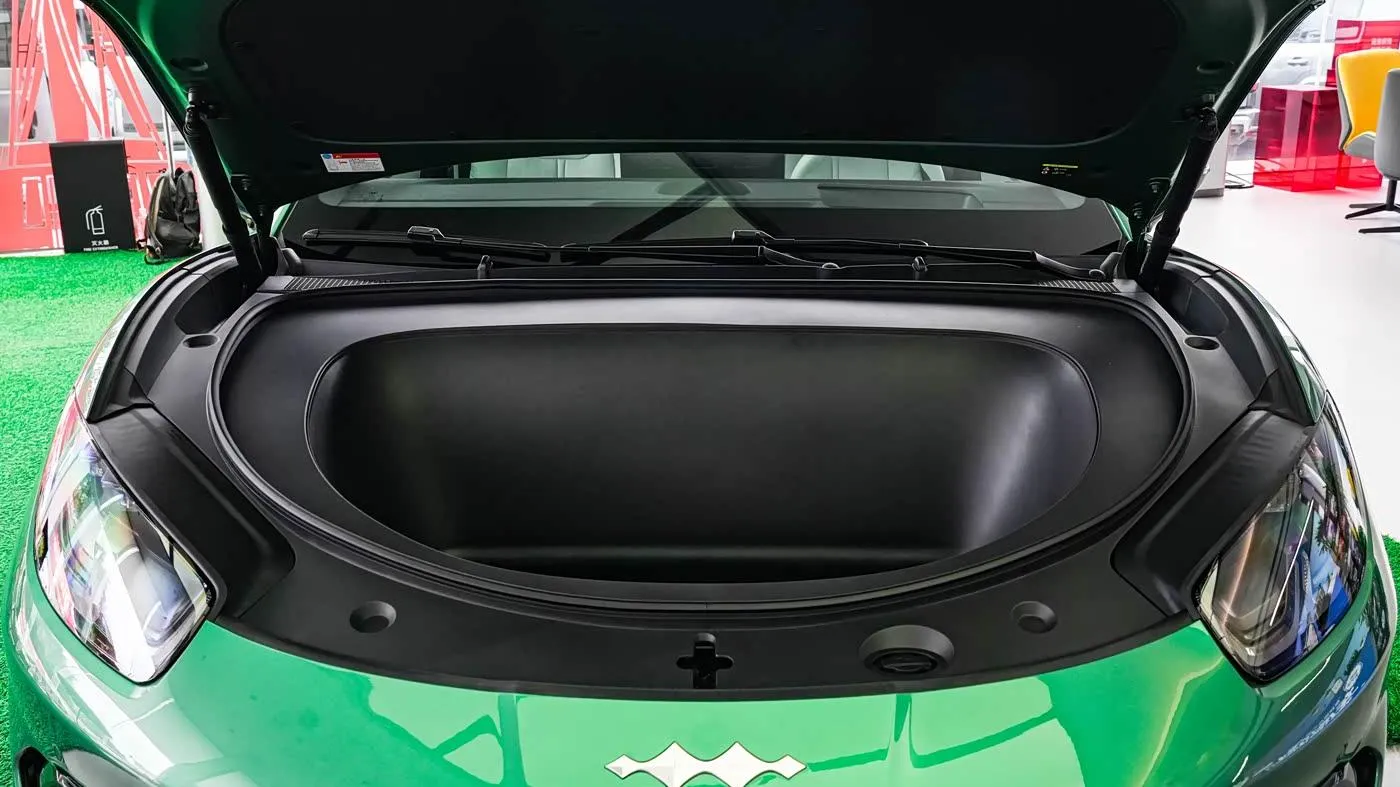
This is Fang Cheng Bao’s third product line. The first was the Bao series of rugged off-roaders; the second was the Tai series aimed at cities. Both were SUVs. The Formula S is the brand’s first sedan, and it drops Fang Cheng Bao into the most crowded corner of the Chinese EV market — the mid-size electric sedan slot occupied by the Xiaomi SU7 and the Tesla Model 3.
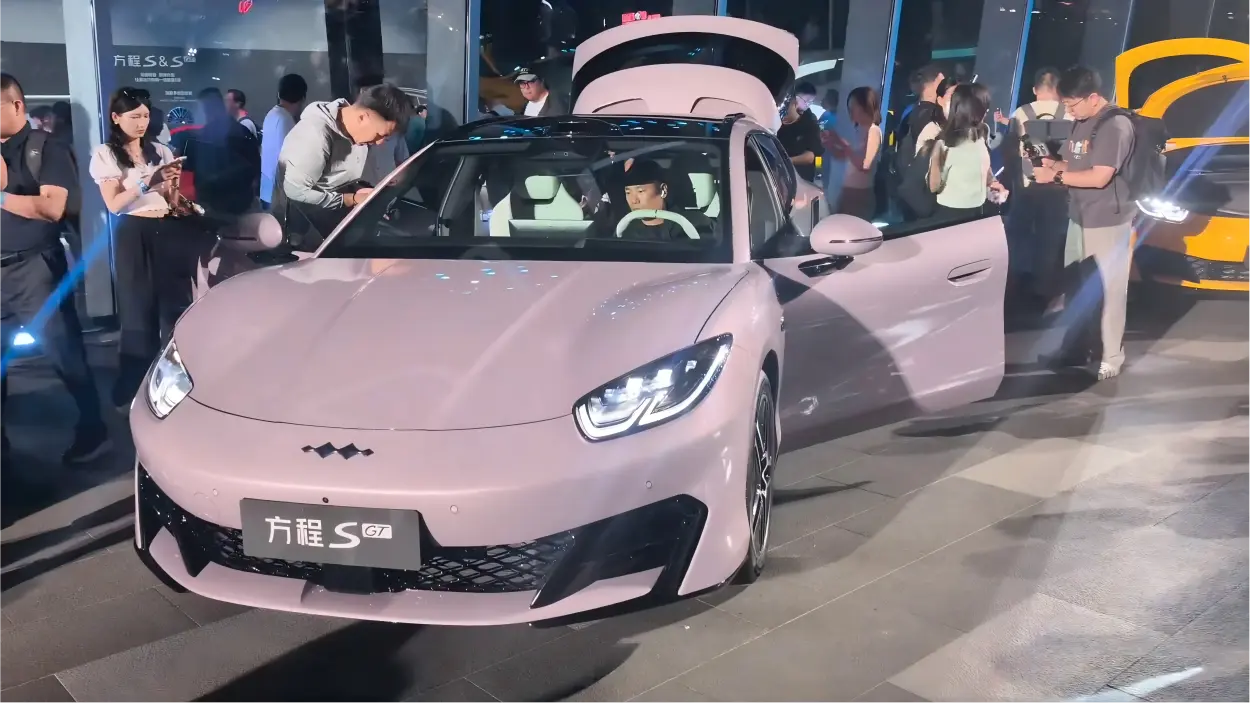
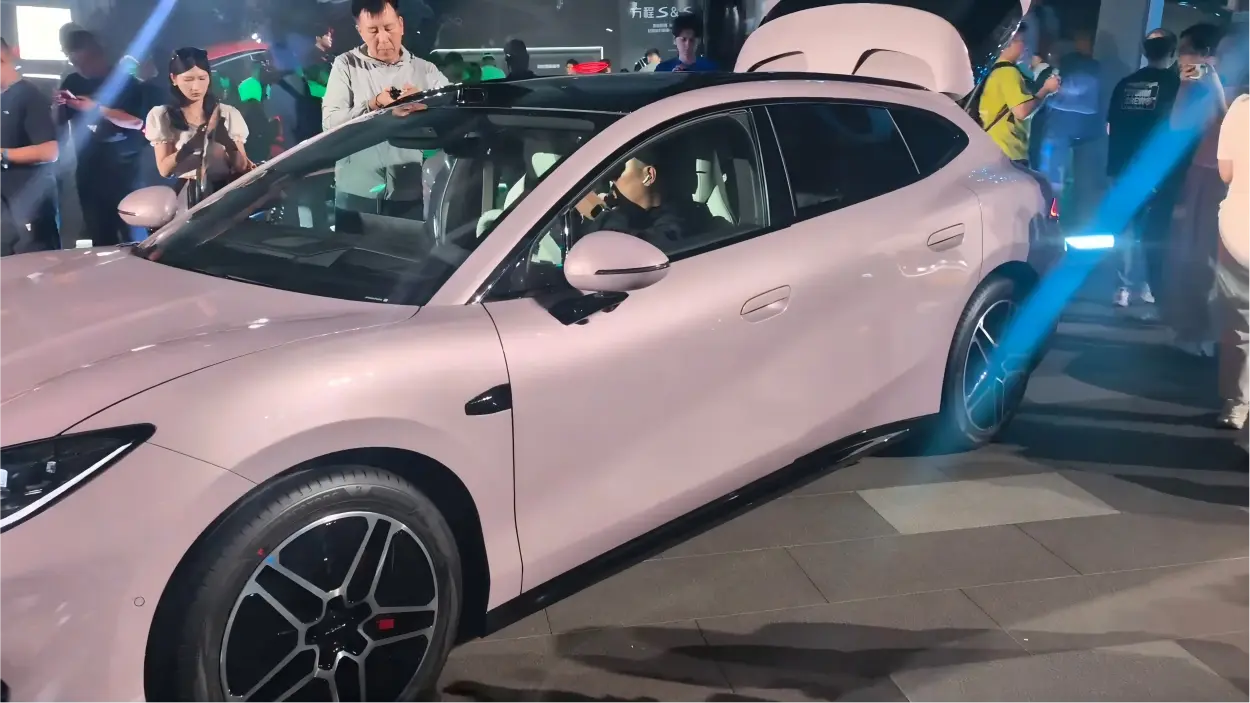
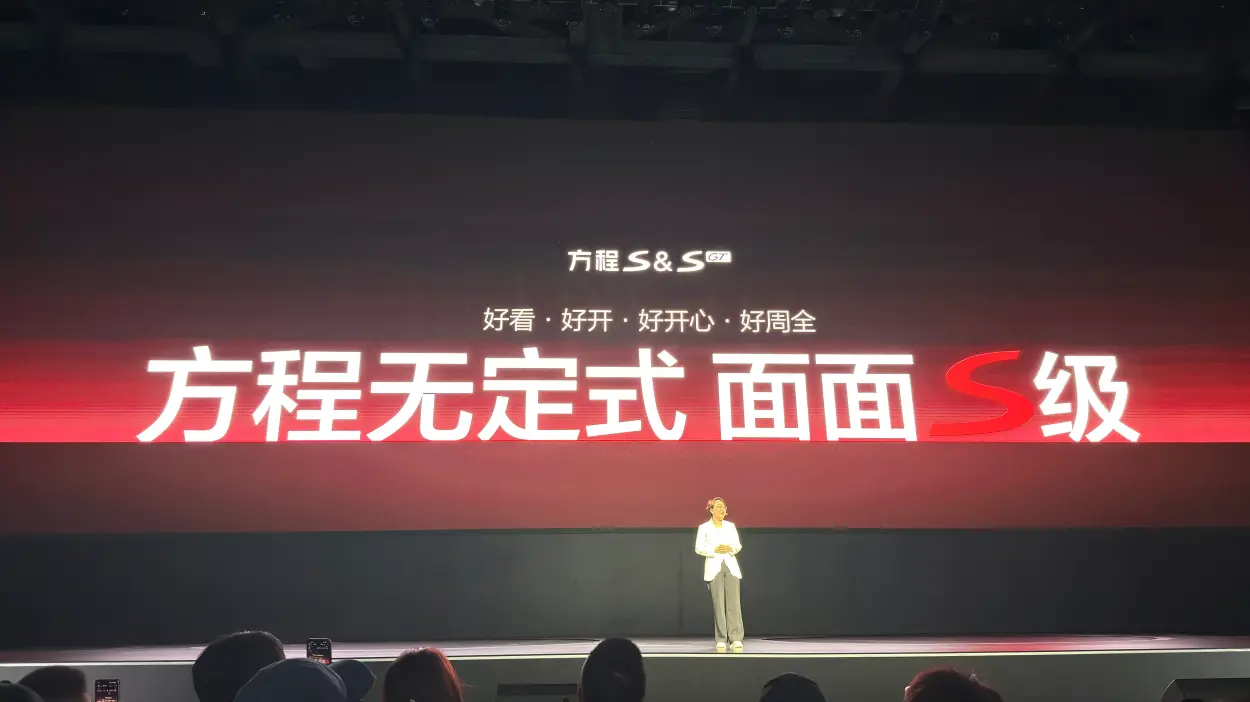
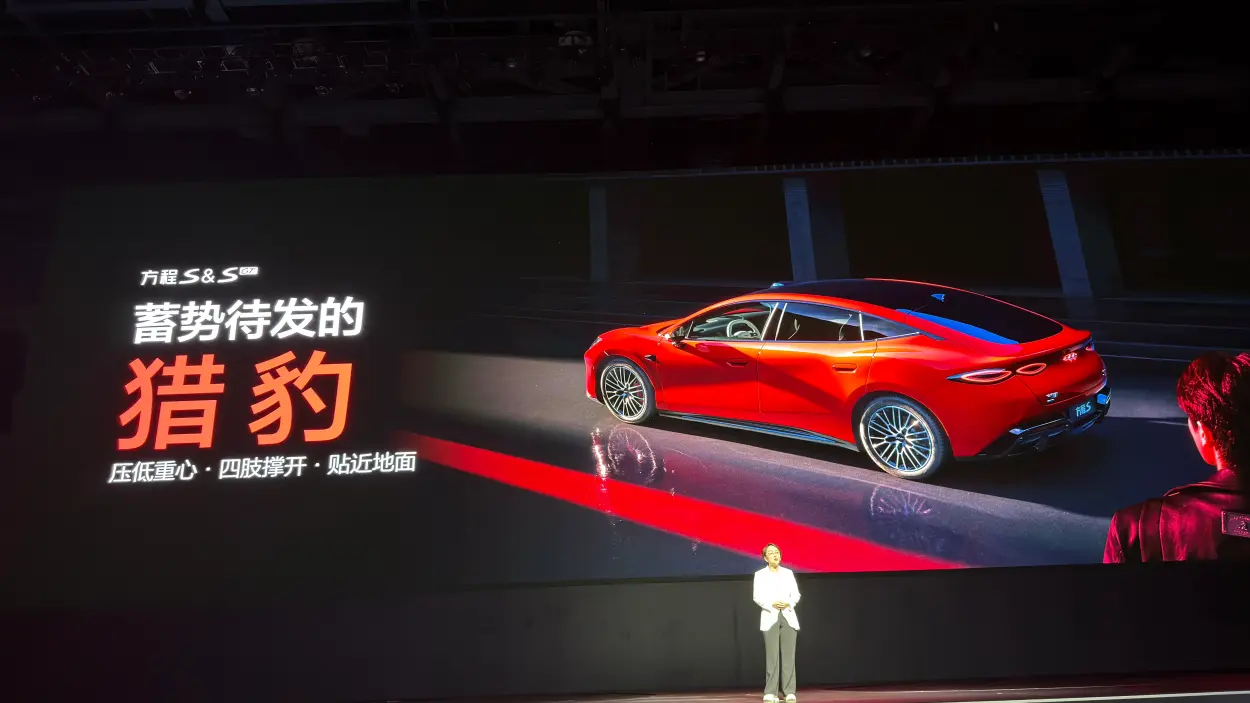

From the floor: One thing a specification table cannot carry, and that we only saw because we were in the room: the pink car on the display stand was the one people queued to photograph. The shots above are ours, taken on the show floor. In a segment where buyers increasingly treat colour as a statement about who they are, this shade reads very differently in a room than it does on a configurator page.
Fang Cheng Bao Formula S Pricing: What Each Variant Costs
| Variant | Price | Battery | CLTC range | Power | Suspension |
|---|---|---|---|---|---|
| Formula S, RWD | RMB 189,900 | 76.744 kWh | 730 km | 245 kW | DiSus-C |
| Formula S, long-range RWD | RMB 209,900 | 92.093 kWh | 900 km | 300 kW | DiSus-A or DiSus-M |
| Formula S, AWD | RMB 229,900 | 92.093 kWh | 750 km | 490 kW | DiSus-A or DiSus-M |
| Formula S GT, RWD | RMB 219,900 | 92.093 kWh | 850 km | 300 kW | DiSus-A or DiSus-M |
| Formula S GT, AWD | RMB 239,900 | 92.093 kWh | 730 km | 490 kW | DiSus-A or DiSus-M |
Both line-ups are listed variant by variant on Fang Cheng Bao’s own product pages — the Formula S and the Formula S GT — each entry carrying its price, CLTC range and suspension type.
Every variant uses BYD’s second-generation Blade Battery and supports flash charging — 10% to 70% in five minutes, and 10% to 97% in nine. Rear-wheel-drive versions produce 245 kW or 300 kW; all-wheel-drive versions combine for 490 kW. Driver assistance is BYD’s LiDAR-equipped God’s Eye B system, covering urban and highway navigation plus automated parking. Both body styles sit on a 2,960 mm wheelbase, with the sedan measuring 5,060 mm and the shooting brake 5,025 mm.
The cabin leans into the brand’s personalization brief. The Formula S runs BYD’s Smart Ecosystem 2.0, whose centrepiece is the DiDi Xia in-car AI agent — the same assistant that arrived in the Denza N8L earlier this month — alongside an instrument display that renders expressions, three kinds of open mounting interface (pin, magnetic and threaded) for add-on hardware, and a tie-up with Bambu Lab’s MakerWorld community that lets owners download and 3D-print their own dashboard themes. Factory peel-off liquid wraps and a drift mode round out the pitch.
A coupé called the Formula SL has been announced as part of the same family but has not yet launched, so the line-up is incomplete.
Fang Cheng Bao Formula S and the Debut of DiSus-M
The Formula S is the first production car to use DiSus-M, BYD’s magnetorheological suspension. It works by running magnetorheological fluid through the damper and varying the magnetic field to change resistance — adjusting damping within milliseconds rather than in the tens of milliseconds a conventional valve takes.
Chinese motoring outlet Sina Auto, reporting from the launch and a mountain-road drive, puts numbers on it: a 1-millisecond response, roughly 1,000 damping adjustments per second, continuous adjustment between 100 N and 10,000 N in both directions, and more than 25% better vertical body control than a conventional CDC damper. The system also reads the road ahead to pre-load the dampers for potholes, and its chassis algorithms can be updated over the air. A drift mode and an assisted drift mode are included.
The context that matters: this class of hardware has until now been associated with supercars. Magnetorheological dampers have been used chiefly by brands including Ferrari and Lamborghini — the technology is not new, it has simply been expensive enough to stay upmarket.
Why Fang Cheng Bao Formula S Charges the Same for DiSus-M and DiSus-A
Here is the decision that makes this launch more interesting than its price list.
The Formula S is also available with DiSus-A — BYD’s dual-chamber air suspension with variable-damping shock absorbers. And at the same power output and range, the DiSus-A and DiSus-M versions cost exactly the same. On the brand’s own product pages, the 900 km rear-drive variant is listed at RMB 209,900 with either system and the 750 km all-wheel-drive variant at RMB 229,900 with either; the same pattern repeats on the GT, where the 850 km rear-drive and 730 km all-wheel-drive variants are each listed at a single price for either system. A buyer does not pay more to get the magnetorheological system, and does not pay less to get the air system. They simply pick one.
That is not how suspension is normally sold. In almost every mainstream range, air suspension is the top rung of a trim ladder — the thing you get by paying up, and the thing that signals you paid up. Fang Cheng Bao has taken the top two rungs and made the choice a preference rather than a budget line. The reading is that BYD considers the two systems to serve genuinely different purposes: DiSus-M for response and body control, DiSus-A for isolation and load-levelling. The customer is being asked which they want, not how much they can afford.
A ladder has not disappeared entirely — the entry variant keeps DiSus-C, so there is still a step to climb. But above it, price stops discriminating between the two flagship chassis systems. That is the kind of decision a brand makes when it believes the technology can sell itself on character rather than on hierarchy.
Fang Cheng Bao Formula S vs Xiaomi SU7 and Tesla Model 3
Fang Cheng Bao is not arriving into empty space. The Formula S is aimed straight at the Xiaomi SU7 and the Tesla Model 3, and the pitch is the familiar Chinese one: long range, fast charging, and now a choice of chassis systems as a third differentiator. It is also the latest attempt inside BYD’s own sub-brand family to sell a sedan on range — the Denza Z9S, launched under the group’s premium Denza brand, claims up to 1,100 km on the same CLTC cycle.
The brand has momentum behind it. Fang Cheng Bao sold 41,568 vehicles in August, up 155.57% year-on-year, and 242,255 in the first eight months of 2026 — up 165.66% and already past its full-year 2025 total of 234,637. The brand said in early August that cumulative sales had passed 500,000 in under three years, with an average transaction price above RMB 223,000 (about $30,800).
Charging is the other half of the argument. The nine-minute claim is only worth something if there is a charger to use, and BYD says it had built more than 10,000 flash-charging stations in China as of August 28, targeting 20,000 by the end of 2026. That network is the part of the proposition a rival cannot copy by cutting a price.
What the Fang Cheng Bao Formula S Does Not Tell Us Yet
Four things are worth flagging before the specifications are treated as settled.
The range figures are a Chinese homologation cycle. A 900 km CLTC number is not comparable to a WLTP or EPA figure, and no independent testing of the Formula S has been published.
The DiSus-M numbers come from one outlet, not a laboratory. The 1-millisecond response, 1,000 adjustments per second and the “more than 25%” improvement over conventional CDC dampers are manufacturer figures reported by Sina Auto after a road drive. We have not found third-party measurement of the system, and the comparison is against a generic CDC damper rather than against the DiSus-A air system the buyer is choosing between.
“Nine minutes” depends on the network, not the car. BYD publishes station counts, not availability or utilisation rates at those stations. The charging figure is a best-case number for a car plugged into a 1,000-volt-class stall in good condition.
The shooting brake may be a hard sell. Sports estates are a niche body style in China, and the GT carries a price premium over the equivalent sedan — RMB 219,900 against RMB 189,900 at the bottom of each range. Whether the GT earns its own volume, or exists mainly to make the sedan look like value, is an open question.
Accuracy note: Fang Cheng Bao launched the Formula S and Formula S GT on Wednesday, September 16, 2026, in Shanghai. Prices are the manufacturer’s official guidance prices announced at that event. Pre-orders opened on August 20, 2026, at RMB 230,000–280,000, the range the brand published at that time; the 17.4% reduction is EVsays’ own calculation from those two official figures (RMB 40,100 off the lower bound). CLTC figures are China’s homologation cycle and are not equivalent to WLTP or EPA numbers. Currency conversions use RMB 7.25 per USD for consistency with EVsays’ other coverage. DiSus-M’s response time, adjustment rate, damping range and the greater-than-25% vertical-control improvement are manufacturer figures reported by Sina Auto after a road drive and have not been independently verified by us. The 10,000-plus flash-charging station count is as of August 28, 2026, per the manufacturer. Sales figures are the totals reported by the brand rather than audited by us.
Sourcing note: The primary source is Fang Cheng Bao’s own product pages for the Formula S and the Formula S GT (fangchengbao.com/fangchengS and /fangchengSGT), which list all nine launched variants with prices, CLTC ranges, drive configuration and suspension type, and carry the September 16, 2026 effective date for the launch offers. Chinese-language sources provided specifications and technical detail: Sina Auto (launch report and DiSus-M road-test figures), Securities Daily (body structure and safety specifications), Yiche (variant configuration table) and Auto-First (launch venue and brand remarks). No wire service had published an independent account of the launch at the time of writing. The analysis, framing and the assessment of what the launch does and does not establish are EVsays’ own. Images: Fang Cheng Bao official imagery, plus photographs taken at the launch event in Shanghai by EVsays’ SHENG HE.
editorial policy, and errors are handled under our correction policy.Sources & Further Reading
- Fang Cheng Bao — official Formula S product page (on sale from 2026-09-16) — manufacturer’s own specification and pricing table: five Formula S variants, 730–900 km CLTC, battery capacities, drive configuration and DiSus-C/A/M suspension options; also the source for the DiSus-A/DiSus-M price parity.
- Fang Cheng Bao — official Formula S GT product page (on sale from 2026-09-16) — the four GT variants and their prices; confirms the same DiSus-A/DiSus-M price parity on the shooting brake.
- Fang Cheng Bao — pre-sale announcement, August 20, 2026 — the RMB 230,000–280,000 pre-sale range against which the 17.4% launch reduction is measured (figures as published by the brand).
- Sina Auto — “Fang Cheng Bao Formula S launches, DiSus-M suspension comes down to the mass market” (2026-09-17) — DiSus-M response time, adjustment rate and damping range; launch pricing summary.
- Securities Daily — launch report covering body structure (84.8% high-strength steel, aluminium and composites; 2,000 MPa hot-formed steel at key points), airbag count and the high-speed tyre-burst stability system.
- Yiche — variant configuration database listing all nine launched variants, battery capacities and suspension options (used to cross-check the price and range combinations).