

Xiaomi’s first range-extender SUVs undercut Li Auto’s L6 and L9 by as much as ¥130,000, betting a flat-floor “Kunlun” platform can win a segment that is already shrinking.
Xiaomi opened presales for its first range-extender SUVs, the Sky Nomad N70 Max and N90 Max, on July 30, with top-trim pricing of ¥259,900 (about $35,850) and ¥299,900 (about $41,380) at an exchange rate of 7.25 CNY/USD.
Both figures are presale prices for the top trims; a base N70 is expected to slip toward ¥200,000 when formal pricing lands in September. A ¥1,000 refundable deposit locks in a priority production slot.
The targeting is deliberate: the N70 Max squares up against Li Auto’s L6, the N90 Max against the L9 — and Xiaomi is leaning on a flat-floor platform to make the comparison stick.
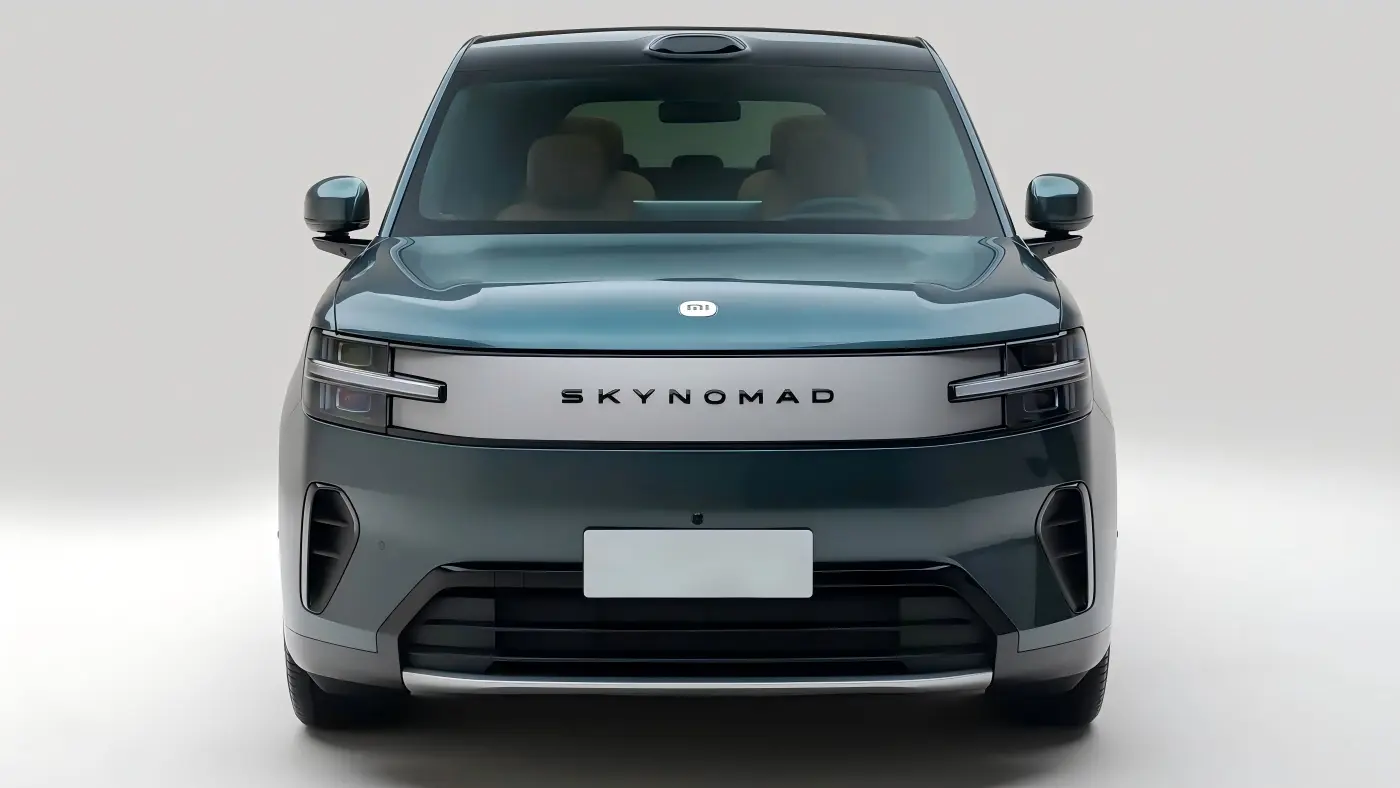
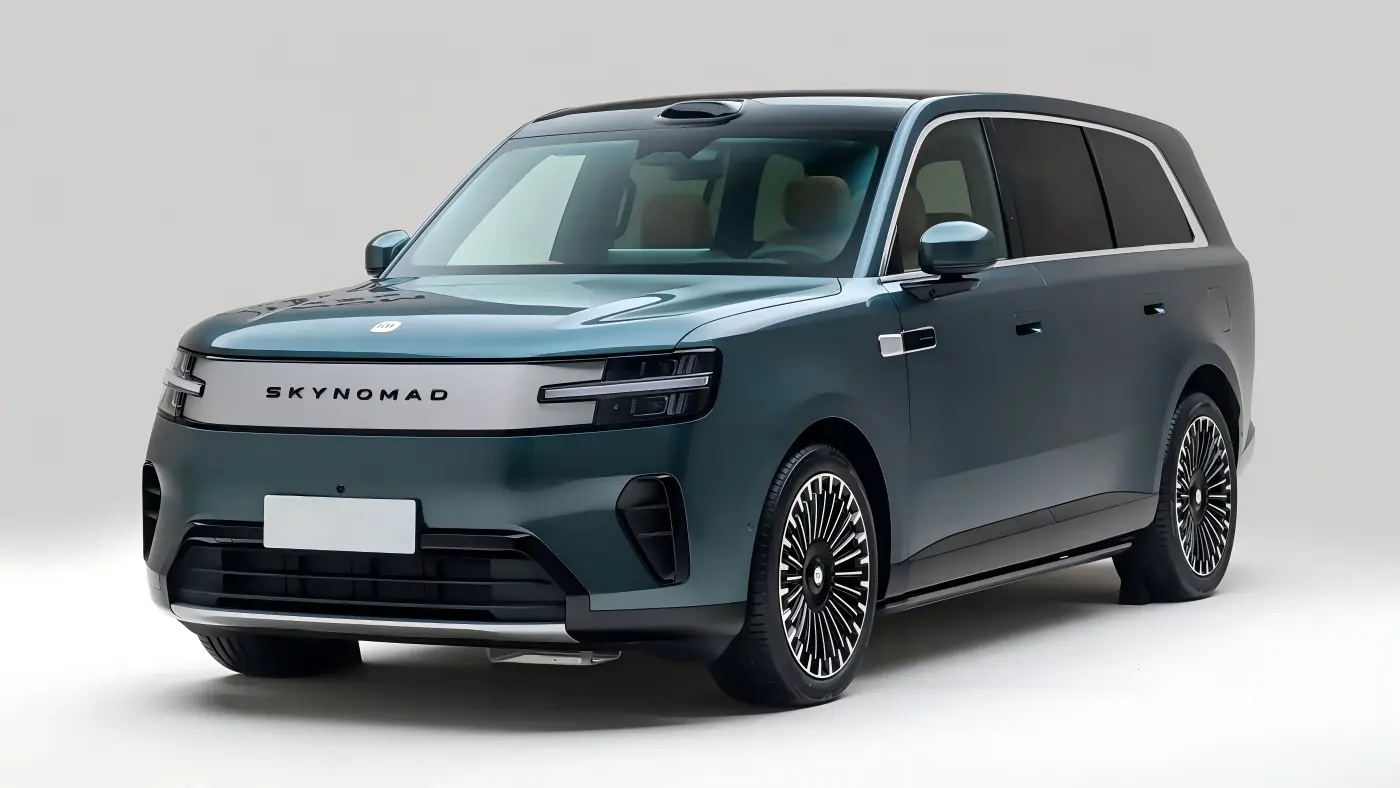
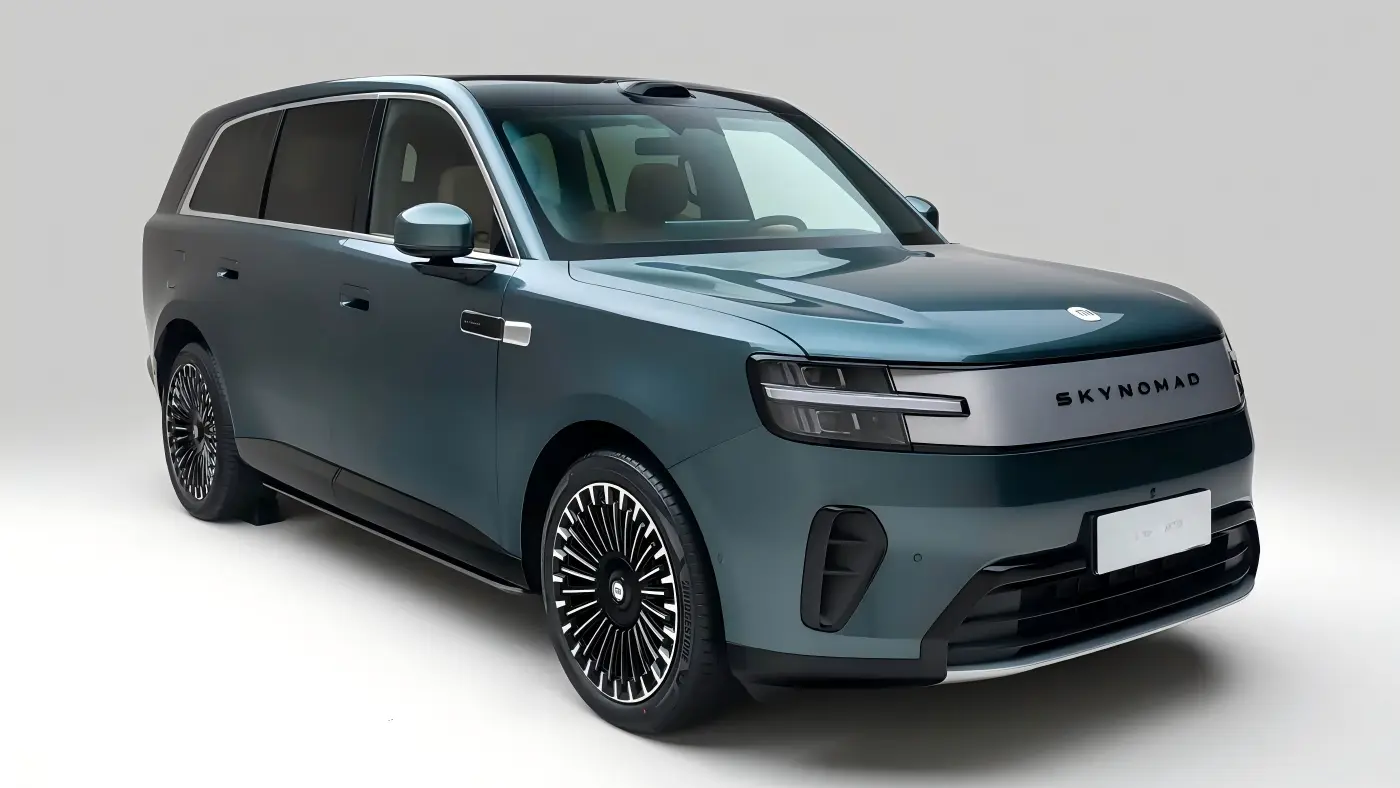
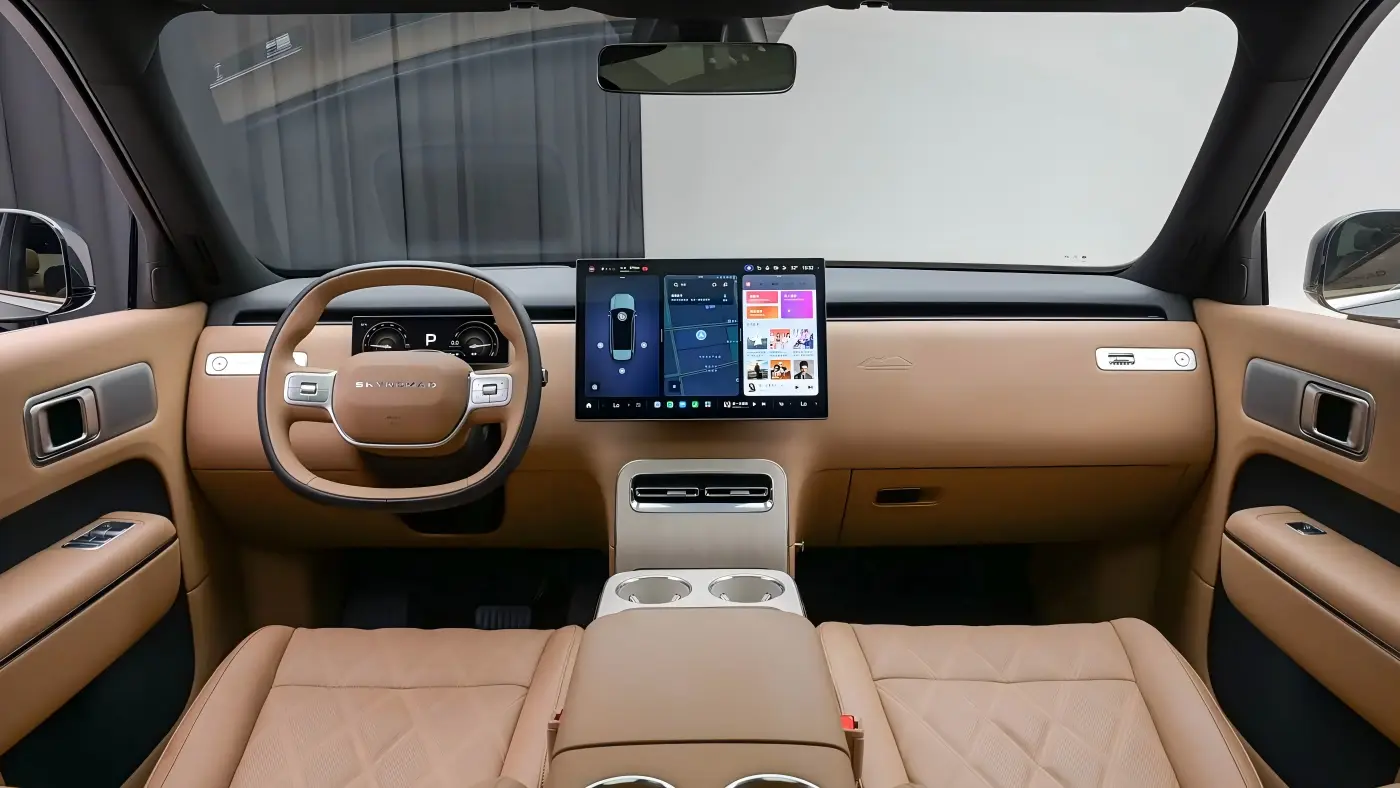
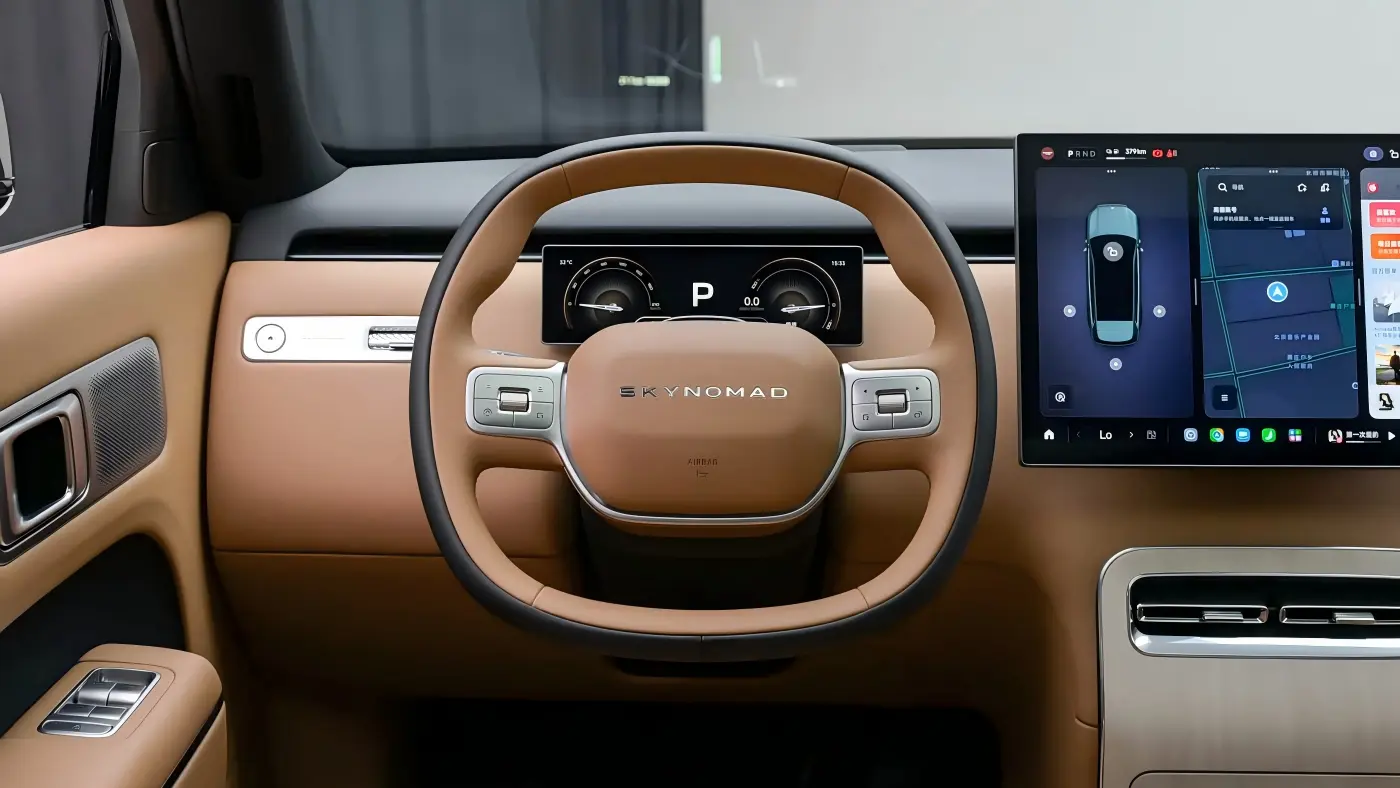
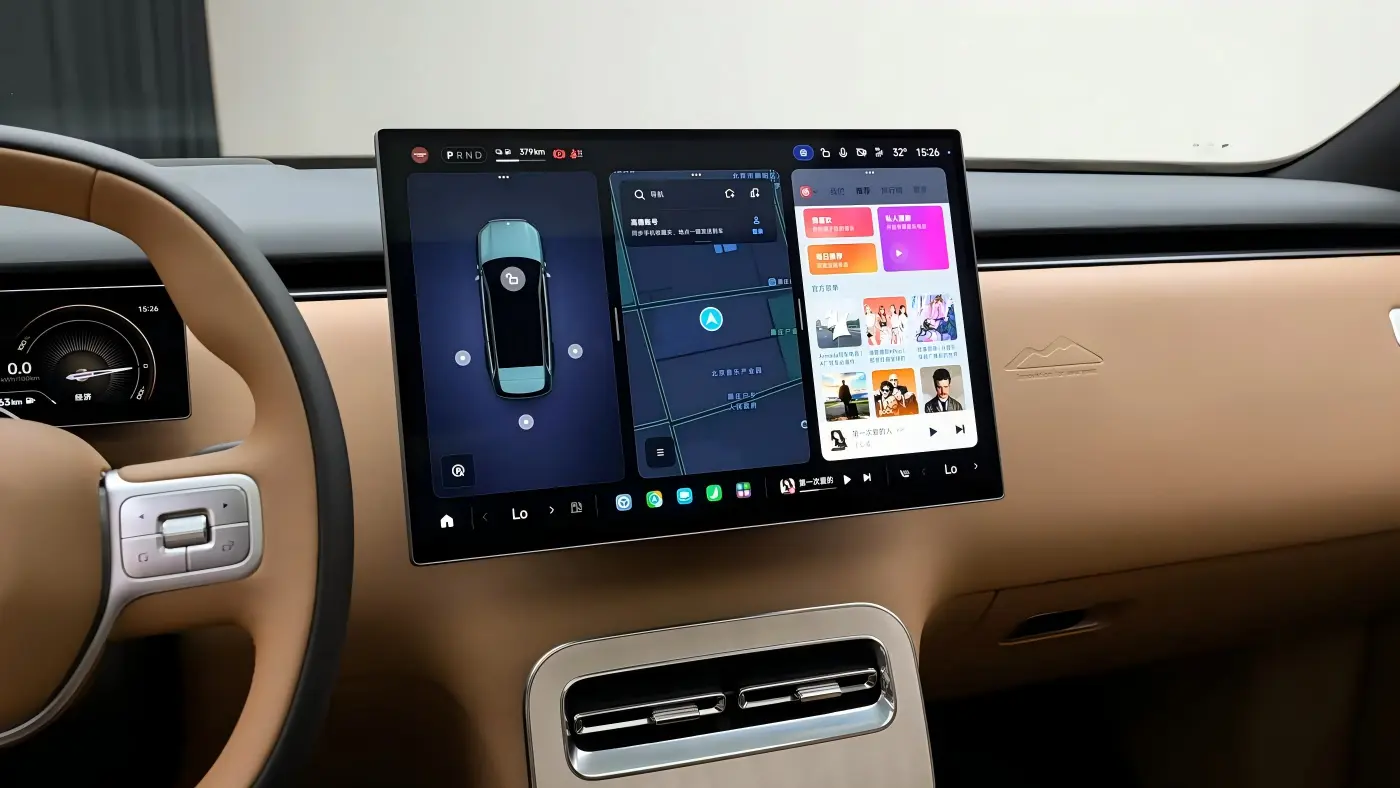
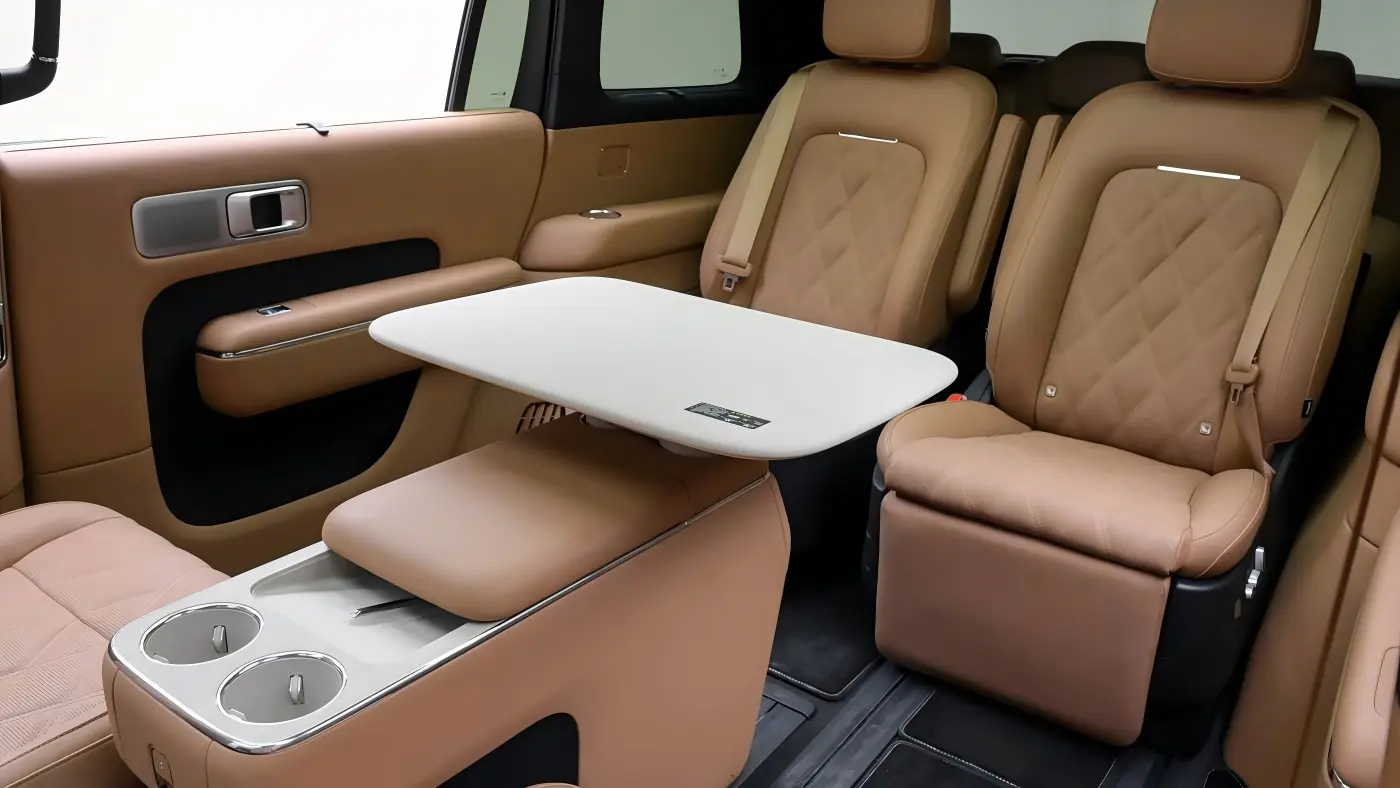
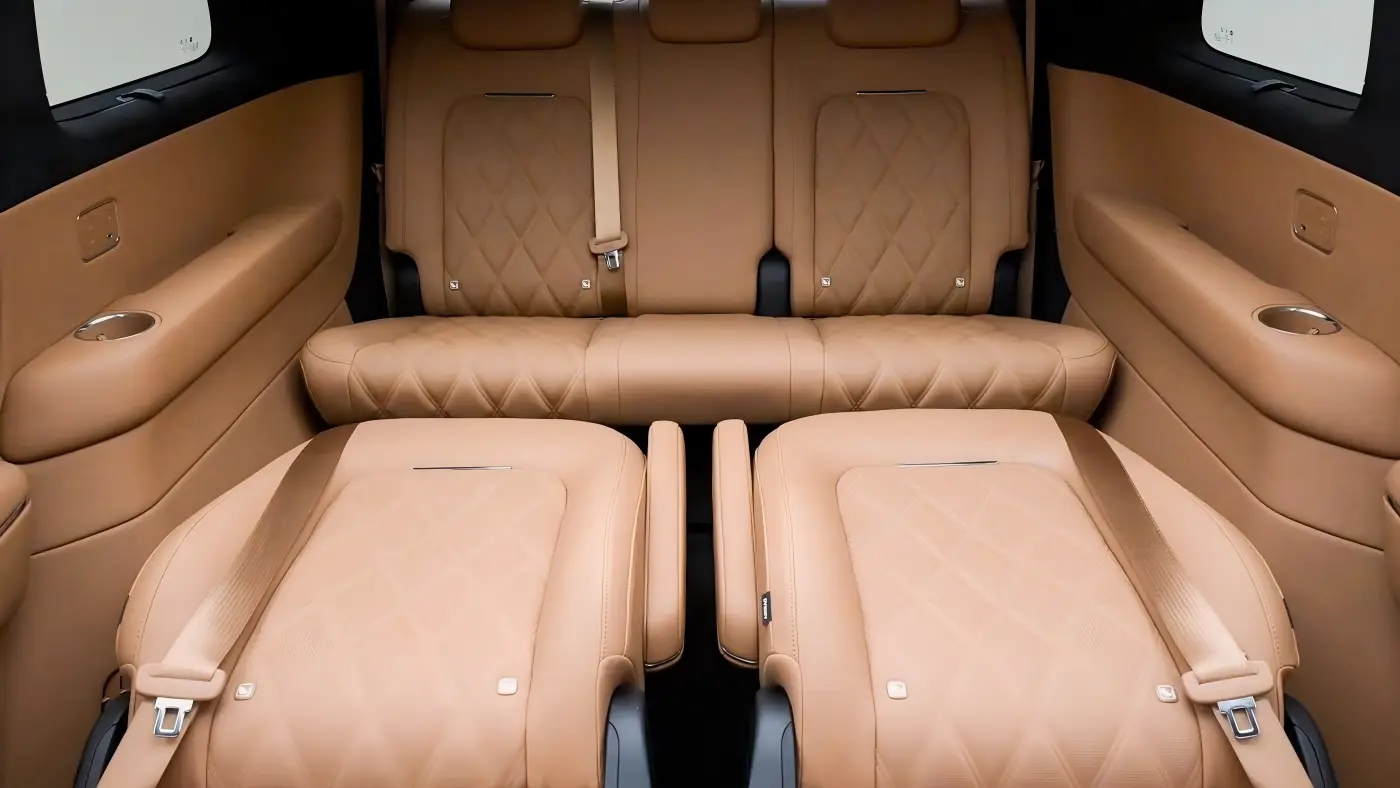
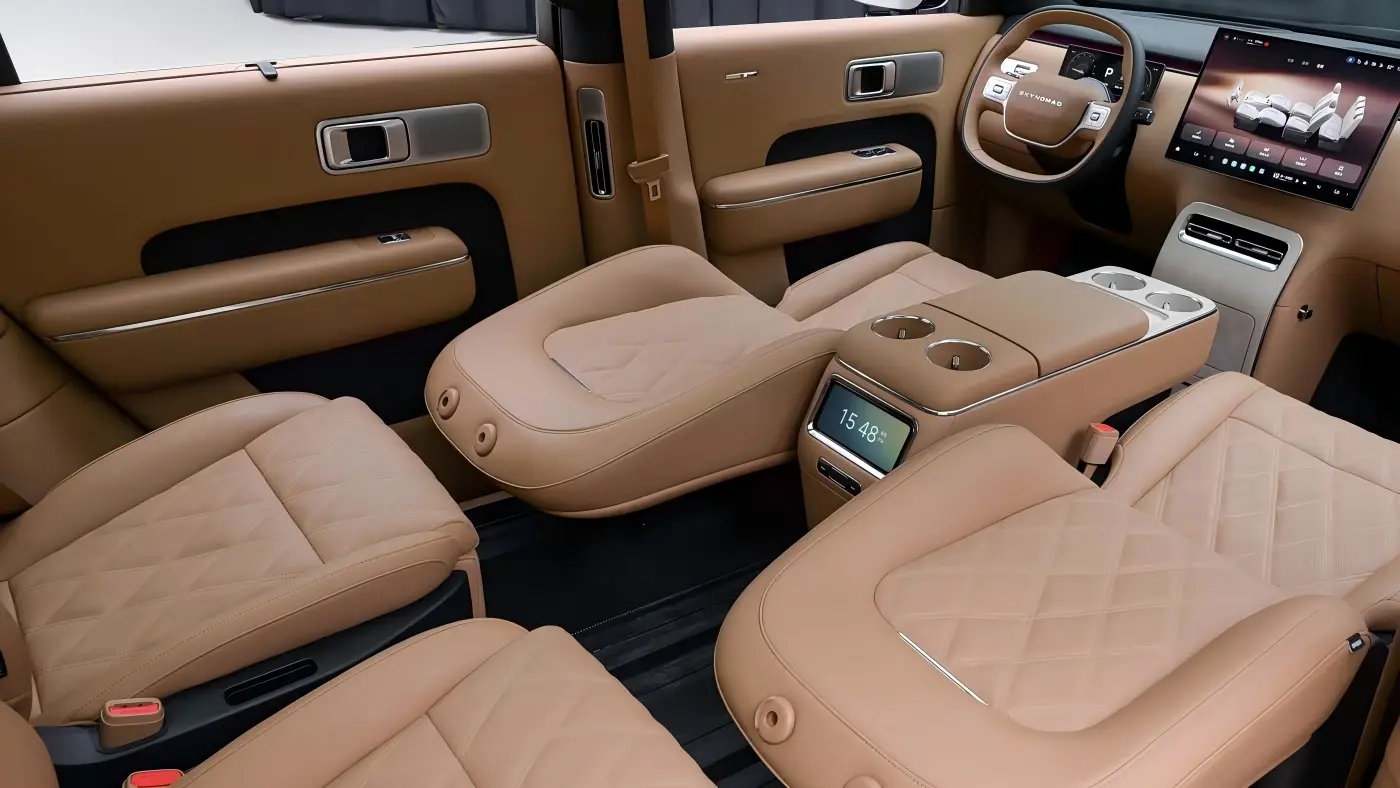
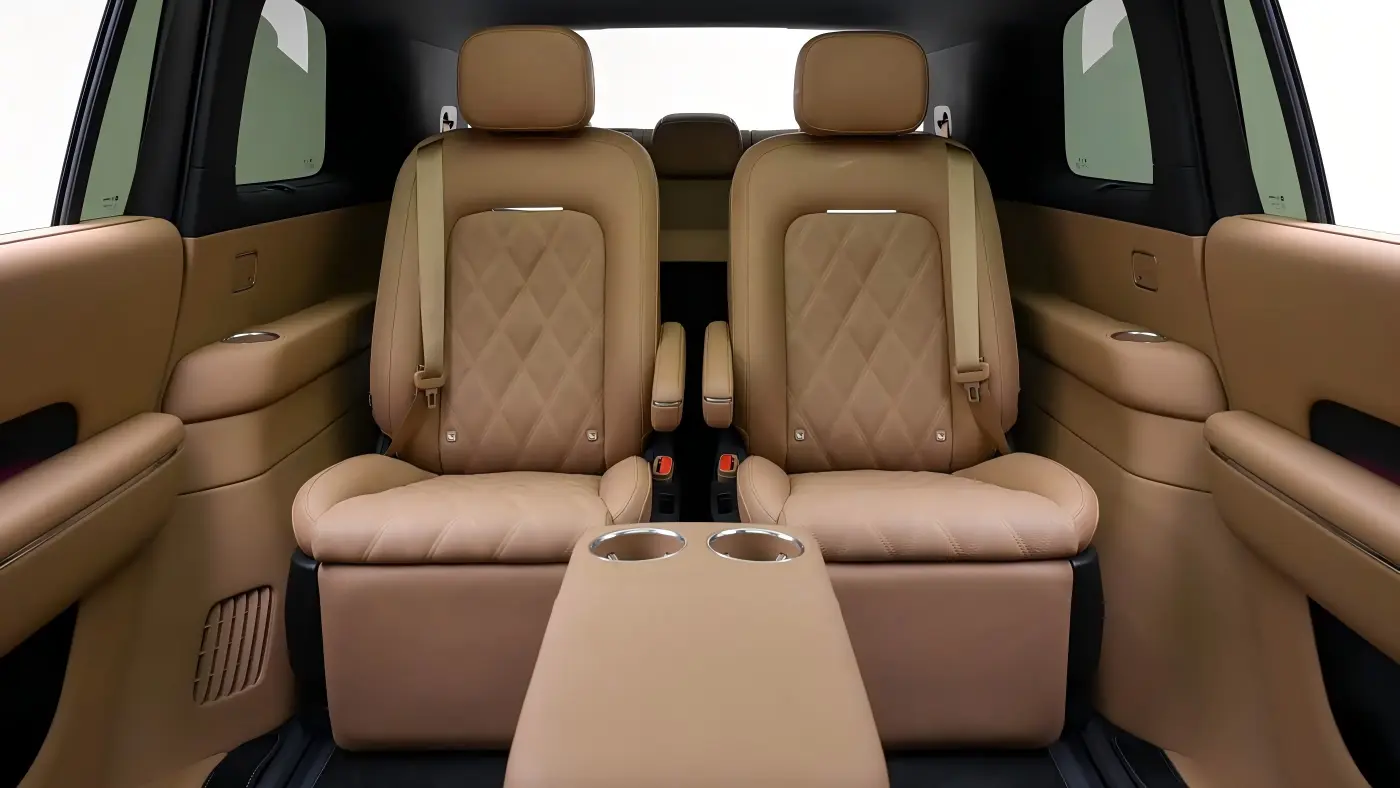
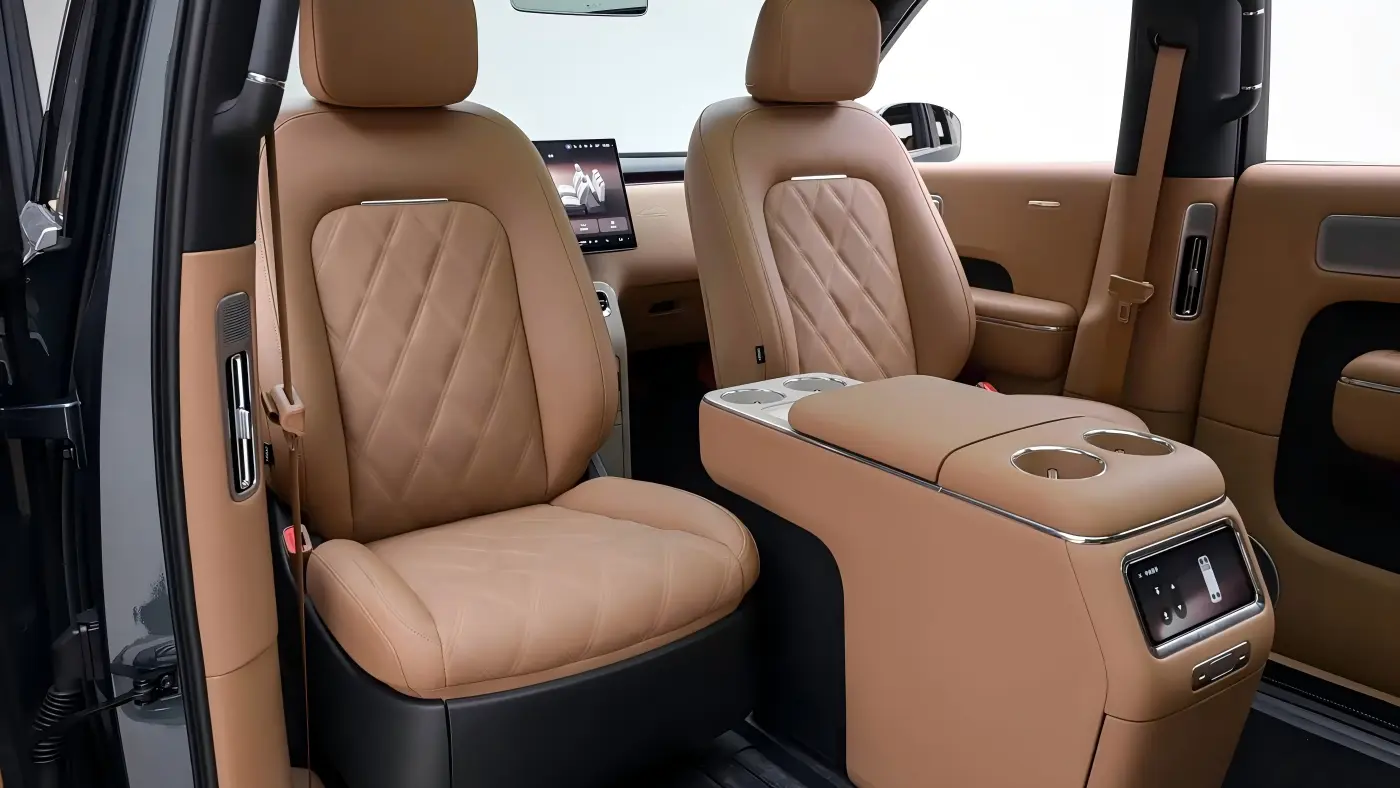
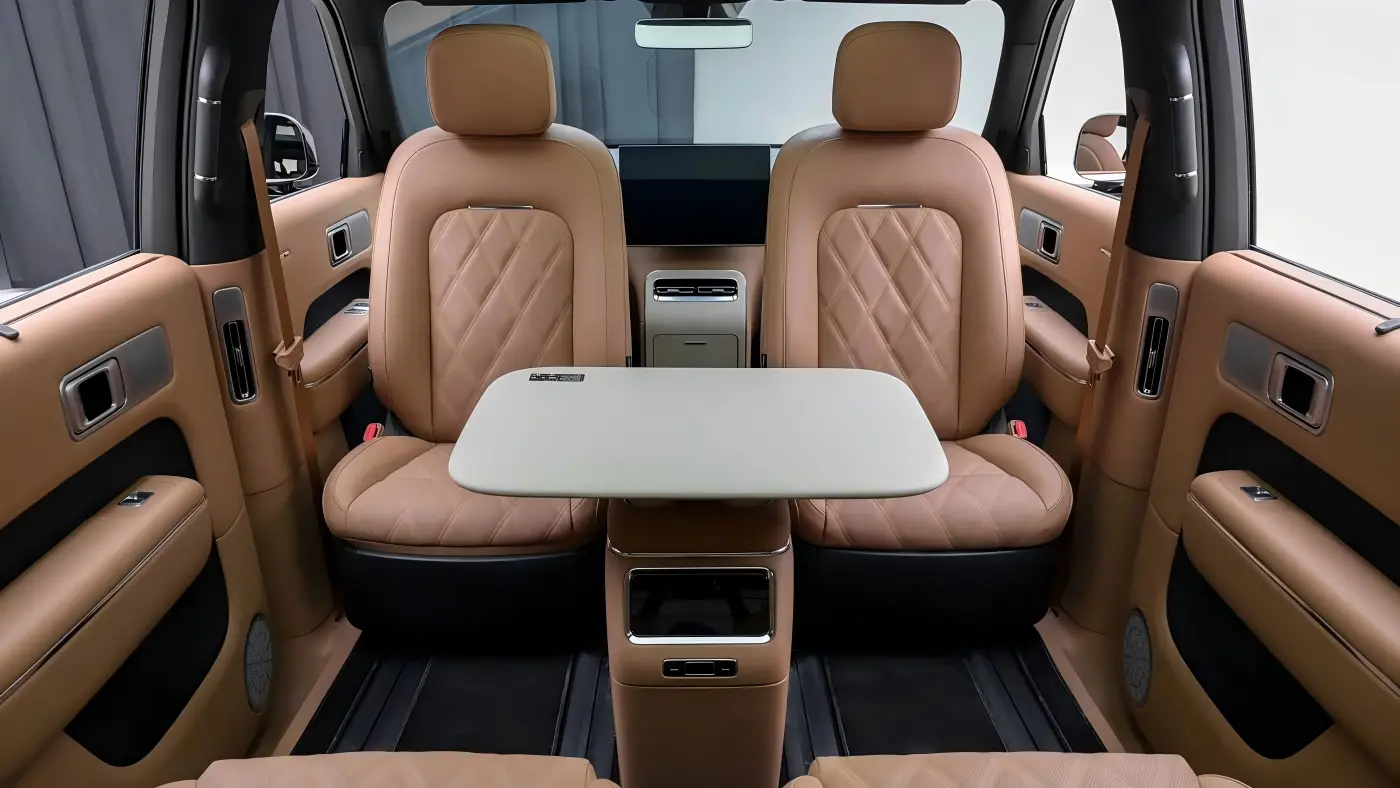
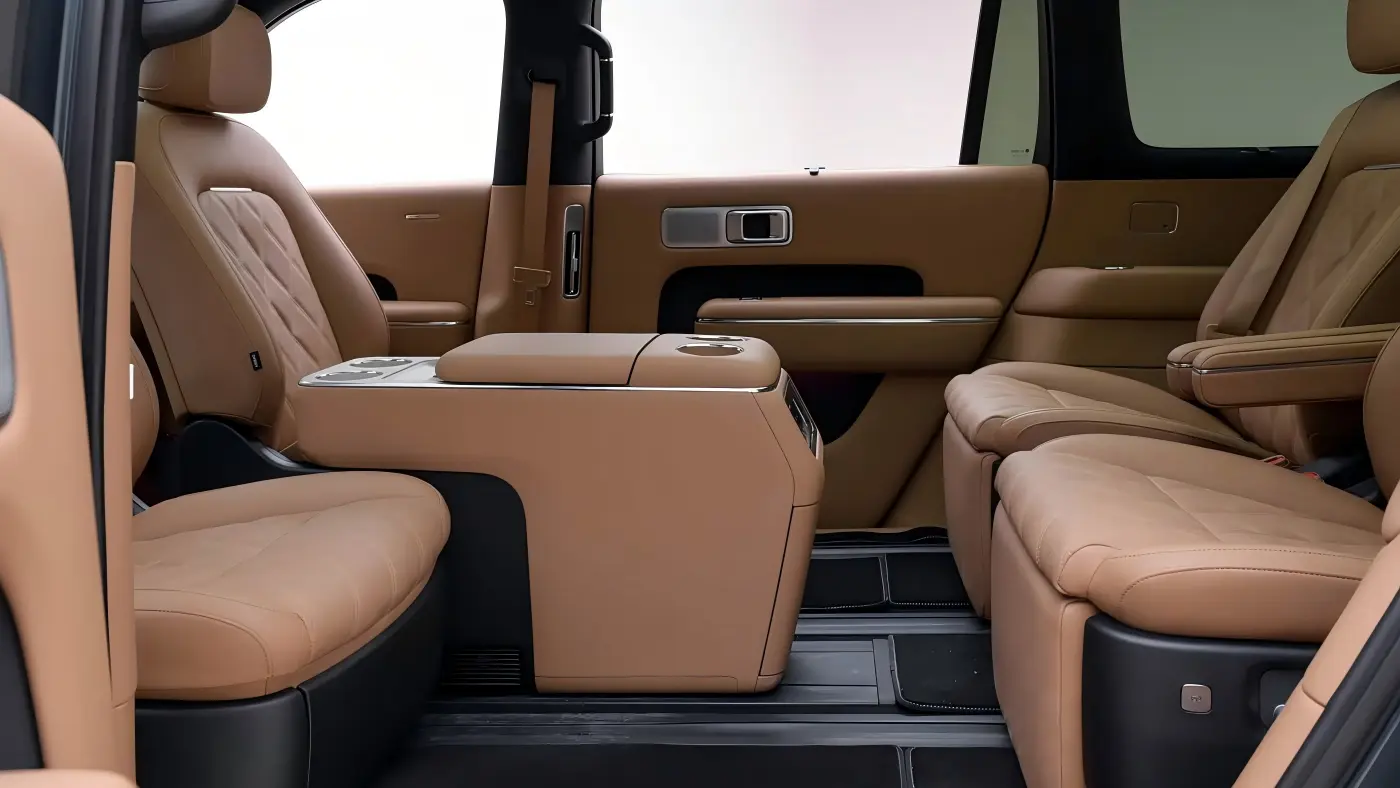
Photos: Xiaomi Auto official
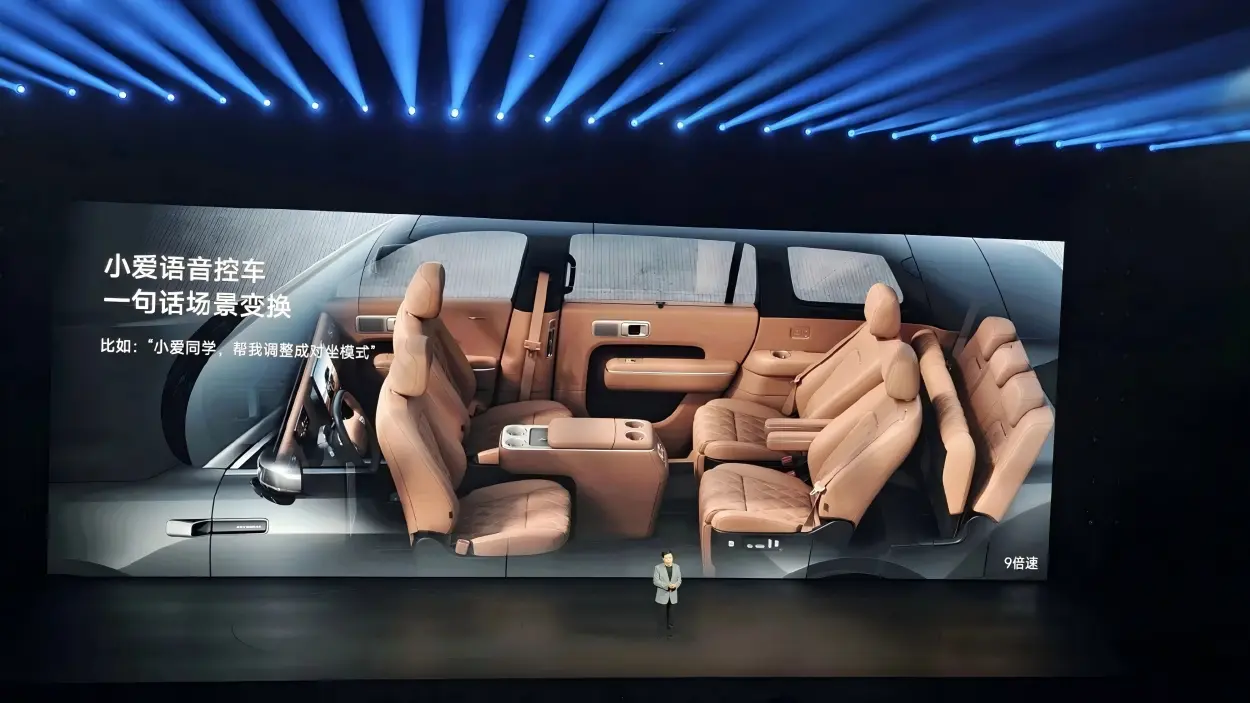
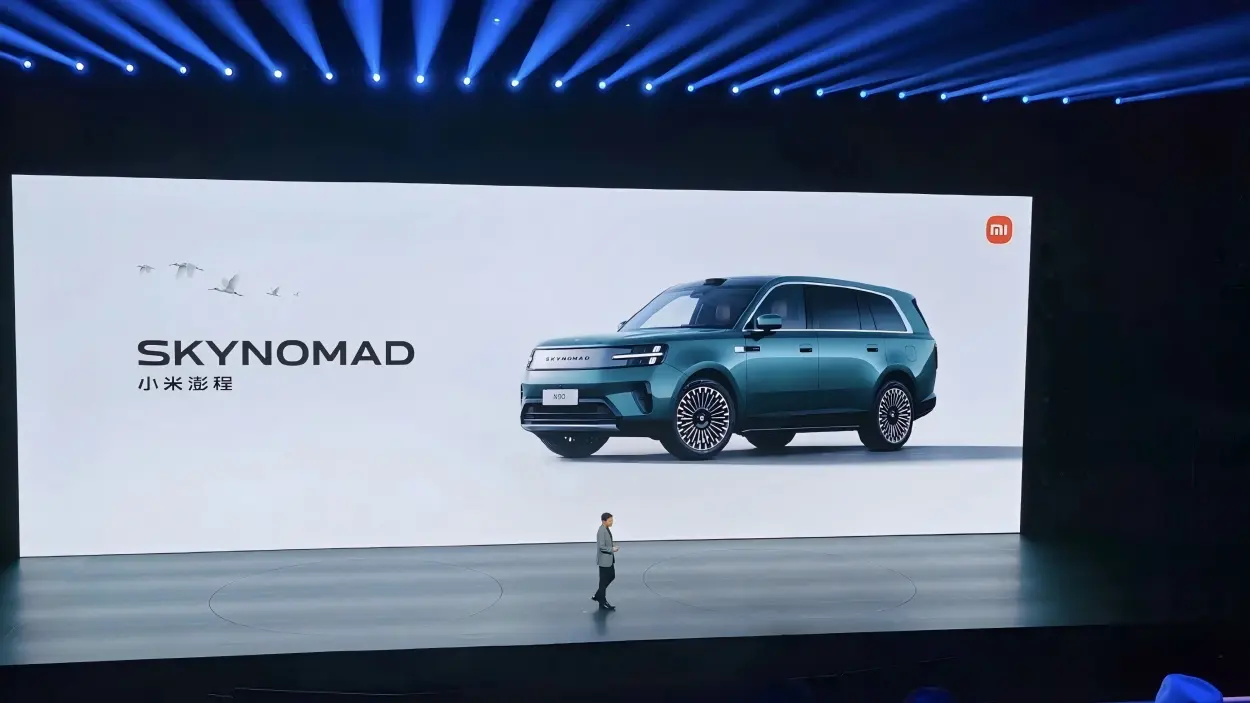
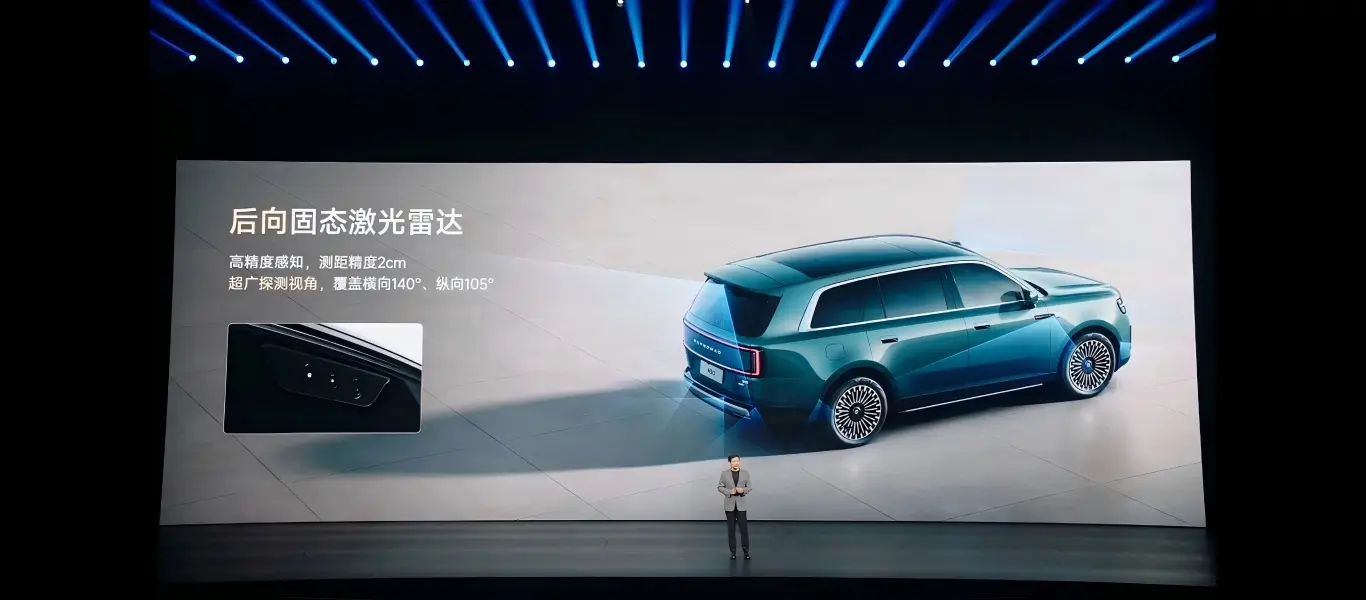
Image source: Photographed by the author of this website at the Xiaomi Auto Skynomad N90 and N70 launch event
The presale numbers
Xiaomi’s Kunlun architecture was unveiled on July 30 as a technology showcase — no pricing, no pre-orders, just a flat floor and a 1,705 km combined-range claim. Presales opened the same day with numbers attached: the N70 Max at ¥259,900 and the N90 Max at ¥299,900. Both are top-trim presale prices. The base N70 — likely a single-motor rear-wheel-drive version — is expected to dip toward ¥200,000 when formal pricing lands in September.
The presale terms are minimal: a ¥1,000 refundable deposit for a priority production slot, plus a ¥999 in-car table kit with dual cupholders as a pre-order bonus. It is the same low-friction playbook Xiaomi used for the SU7, which converted 88,898 pre-orders in 24 hours. The difference this time: the SU7 was a sports sedan entering a segment Xiaomi had never served, while the Sky Nomad SUVs are entering one where the dominant player — Li Auto — is already losing ground.
Xiaomi Sky Nomad N70 Max vs. Li Auto L6: same footprint, more electric range
| Spec | Xiaomi N70 Max | Li Auto L6 |
|---|---|---|
| Price | ¥259,900 | ¥249,800 |
| Length / Wheelbase | 4,960 / 2,950 mm | 4,925 / 2,920 mm |
| EV Range (CLTC) | 505 km | 212 km |
| Combined Range | 1,461 km | 1,390 km |
| Fuel Consumption | 6.1 L/100 km | 6.9 L/100 km |
| Architecture | 2.9 m flat floor, sliding rails | Traditional floor tunnel |
| ADAS Hardware | Thor-U chip, LiDAR, 4D radar | Horizon J6, camera-dominant |
The N70 Max is ¥10,100 more expensive than the L6 Pro, but it offers 293 km more EV range, a flat floor with sliding rails, and a more capable sensor suite. If the base N70 lands at roughly ¥210,000 in September — as multiple Chinese outlets have speculated — it would undercut the L6 on price while matching or beating it on every spec that matters to a family buyer.
Xiaomi Sky Nomad N90 Max vs. Li Auto L9: seven seats, ¥130,000 cheaper
| Spec | Xiaomi N90 Max | Li Auto L9 |
|---|---|---|
| Price | ¥299,900 | ¥429,800 |
| Seats / Length | 7 (2+2+3) / 5,285 mm | 6 (2+2+2) / 5,218 mm |
| EV Range (CLTC) | 464 km | 280 km |
| Combined Range | 1,705 km | 1,315 km |
| Architecture | 2.9 m flat floor | Traditional layout |
| 0–100 km/h | 5.9 s | 5.3 s |
The N90 Max’s ¥299,900 presale price is the headline. The Li Auto L9 starts at ¥429,800 — a ¥129,900 gap, roughly 30% less. The N90 has more EV range (464 km vs. 280 km), more combined range (1,705 km vs. 1,315 km), a flat floor with sliding rails the L9 cannot match, and an extra seat (seven vs. six). The L9 still beats it on zero-to-100 (5.3 s vs. 5.9 s) and brand maturity — on sale since 2022 with over 300,000 deliveries. A 30% price advantage against a proven rival is either a statement of confidence or a bet that the product gap is wide enough to close the trust gap.
Why the timing matters more than the specs
Xiaomi’s presale prices land in a market where the range-extender segment is contracting. Wholesale EREV volumes fell 13.1% in the first half of 2026. Li Auto’s July deliveries dropped to 30,468 — the third consecutive month of decline. The question Xiaomi’s pricing answers is not “are these good cars?” The Kunlun architecture settled that on July 30. The question is “can Xiaomi win buyers in a shrinking segment dominated by an established competitor?”
At ¥259,900–299,900, the answer becomes a pricing problem for Li Auto, not a product problem for Xiaomi. Every Li Auto buyer considering an L6 at ¥249,800 now has to justify not spending ¥10,100 more for 293 km more EV range and a fundamentally different interior architecture. Every L9 prospect at ¥429,800 has to explain why a car that costs ¥130,000 more with less EV range and a conventional floor layout is the better choice. The presale deposit — ¥1,000, fully refundable — removes the last barrier. Xiaomi is not asking buyers to commit; it is asking them to get in line. If the SU7’s pre-order trajectory is any guide, that line could get long fast.
Xiaomi Sky Nomad: frequently asked questions
When does the Xiaomi Sky Nomad go on sale?
Formal pricing and deliveries are scheduled for September 2026. The current figures are presale prices for the N70 Max and N90 Max top trims; lower-tier versions may launch at a lower price.
How much does the Xiaomi Sky Nomad cost?
Presale pricing is ¥259,900 for the N70 Max and ¥299,900 for the N90 Max. A base N70 is expected to start closer to ¥200,000 at the September launch.
What is the difference between the Xiaomi Sky Nomad N70 and N90?
The N70 Max is a five-seat SUV that targets the Li Auto L6, while the N90 Max is a seven-seat model aimed at the Li Auto L9. The N90 also offers more combined range (1,705 km vs 1,461 km) and a third row.
How much is the Xiaomi Sky Nomad deposit?
The presale deposit is ¥1,000 and fully refundable, securing a priority production slot. Buyers also receive a ¥999 in-car table kit with dual cupholders as a pre-order bonus.
What is Xiaomi’s Kunlun architecture?
Kunlun is Xiaomi’s range-extender vehicle platform, unveiled on July 30, 2026. It uses a flat floor with sliding rails and claims up to 1,705 km of combined CLTC range.
The Bottom Line
Xiaomi opened presales for the Sky Nomad N70 Max (¥259,900) and N90 Max (¥299,900), its first range-extender SUVs. Both are top-trim prices — entry versions at the formal September launch may go lower. The N70 offers 505 km of EV range against the Li Auto L6’s 212 km for ¥10,100 more. The N90 offers seven seats and 1,705 km of combined range at ¥130,000 less than the L9. Xiaomi is entering a shrinking EREV segment at aggressive prices with a genuine architectural advantage. The deposit is ¥1,000 and fully refundable. The math says the line will be long; the market will tell us in September.
Sources: Pacific Auto (163.com) — “Xiaomi Sky Nomad N70/N90 Top-Trim Presale: ¥259,900–299,900,” July 30, 2026; DeepAuto (163.com) — “Full Specs Breakdown: N70/N90,” July 30, 2026; Xiaomi EV (xiaomiev.com) — “Sky Nomad N90,” product page