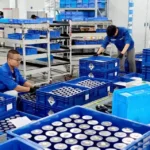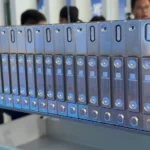


[Breaking News Update] Lexus is executing a dramatic shift in its global electrification strategy. According to recent automotive media reports, the Japanese luxury brand has officially terminated the mass-production plans for its highly anticipated flagship electric coupe concept, the Lexus LF-ZC. Initially debuting at the 2023 Tokyo Motor Show with a production target set for 2026, the ambitious EV project has been shelved due to a cooling global market for premium electric sedans. However, in a stark contrasting move, Lexus’s multi-billion dollar investment in its wholly-owned Shanghai EV and battery facility is moving ahead full steam, preparing to deploy cutting-edge solid-state battery technology by 2027.
Editor’s Note on Toyota’s Strategic Shift: In its recent financial reporting statements, parent company Toyota emphasized a renewed corporate focus on break-even points, profitability optimization, and shifting priority toward high-demand electric SUVs.
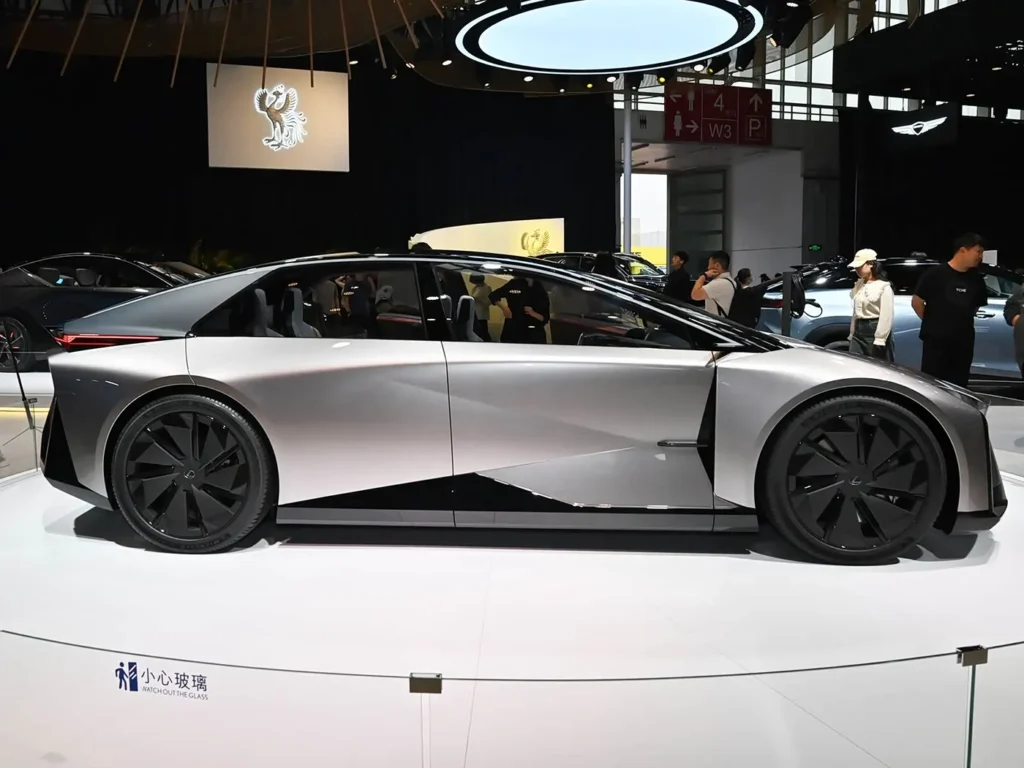
1. The Death of the LF-ZC: Why Lexus Halled Its Flagship EV
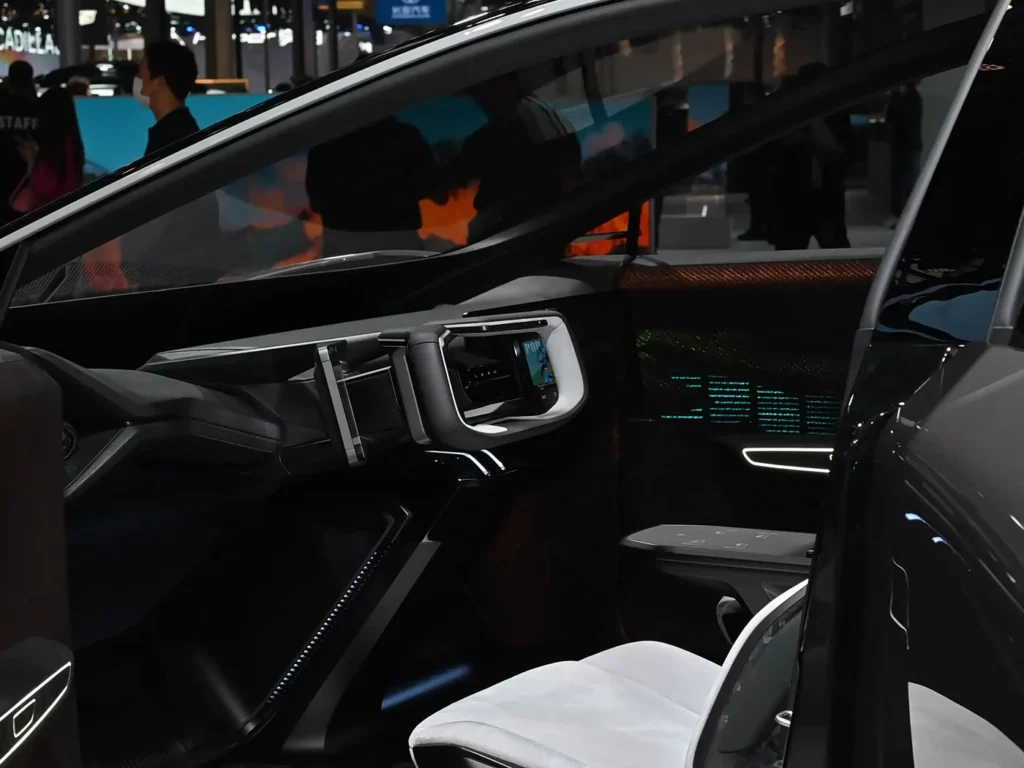
The Lexus LF-ZC was widely regarded as the torchbearer of the brand’s next-generation electrification vision. Featuring a highly radical aerodynamic profile, modular gigacasted body structures, a fully digitalized intelligent cockpit, and steer-by-wire technology, it drew massive global attention during its public appearances at the 2023 Tokyo Motor Show and the 2024 Beijing Auto Show.
Despite its technical prowess, Lexus cited two insurmountable macro-economic headwinds for halting mass production:
- The Global Premium EV Slowdown: Consumer demand for ultra-premium, low-slung pure electric sedans has dropped significantly in Western markets.
- Geopolitical Policy Rollbacks: The abolition of critical electric vehicle tax incentives and subsidies in the United States, combined with the European Union’s official postponement of its internal combustion engine (ICE) bans, has heavily reduced the immediate market viability for niche flagship EVs.
2. The China Factor: Intense Supply Chain Pressures
Beyond policy shifts in the West, the explosive rise of Chinese domestic electric vehicle manufacturers has permanently altered the premium auto landscape. Equipped with ultra-low-cost, highly integrated domestic component supply chains, Chinese EV brands have placed immense competitive and pricing pressure on legacy giants like Toyota. To survive the margin squeeze, Toyota is shifting its focus to high-volume body styles, indicating that the cancellation of the LF-ZC is merely the first of several major EV portfolio adjustments.
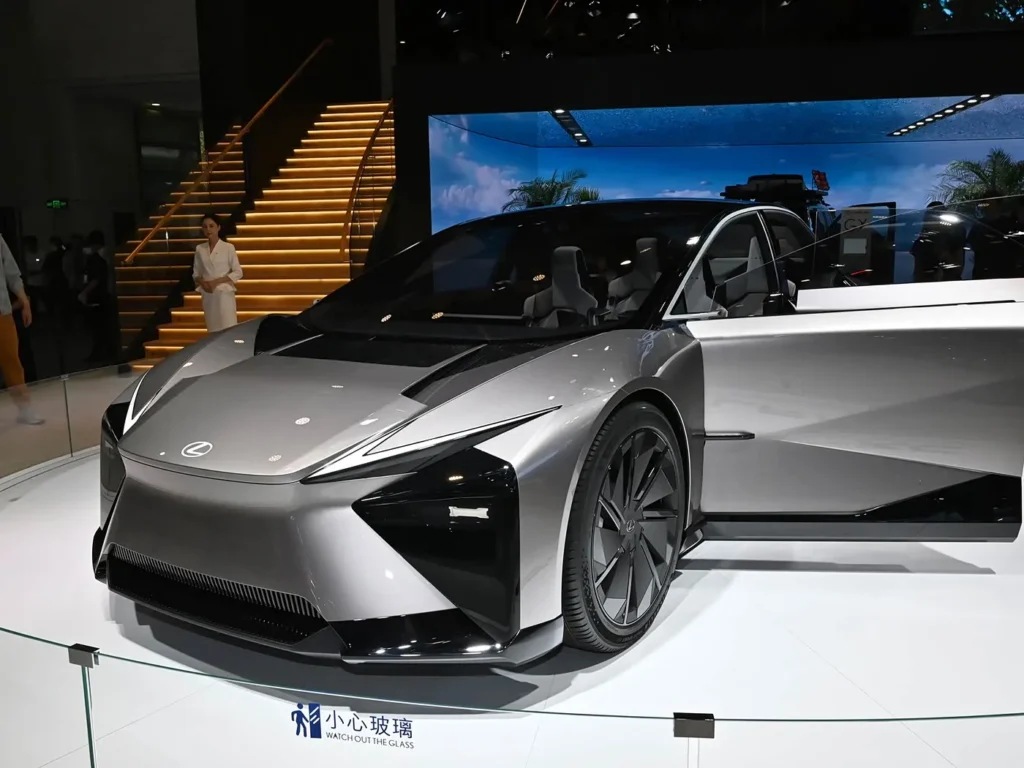
3. Shanghai Super Plant: Lexus Prepares a Solid-State Counteroffensive
While Lexus is retreating from niche EV concepts in the West, it is doubling down heavily on China’s localized manufacturing supremacy.
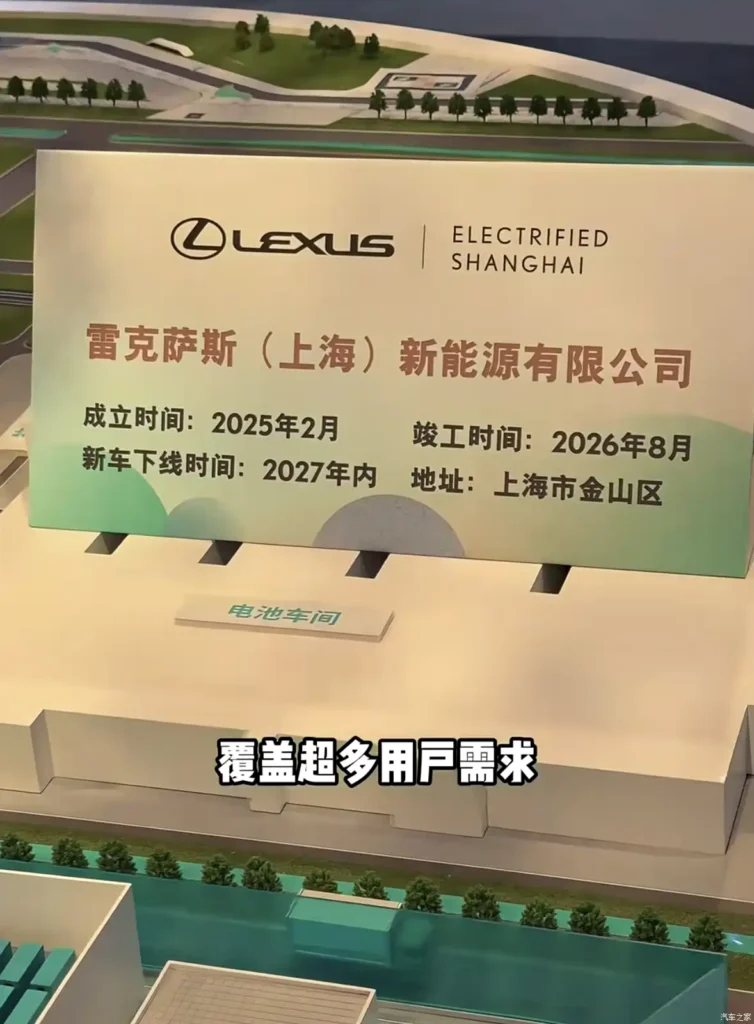
In February 2025, Lexus made waves by announcing the establishment of a wholly-owned pure electric vehicle and battery corporation located in Shanghai. Designed to serve as the ultimate bridgehead for Lexus’s premium high-end EV R&D, this massive production hub is progressing seamlessly under schedule:
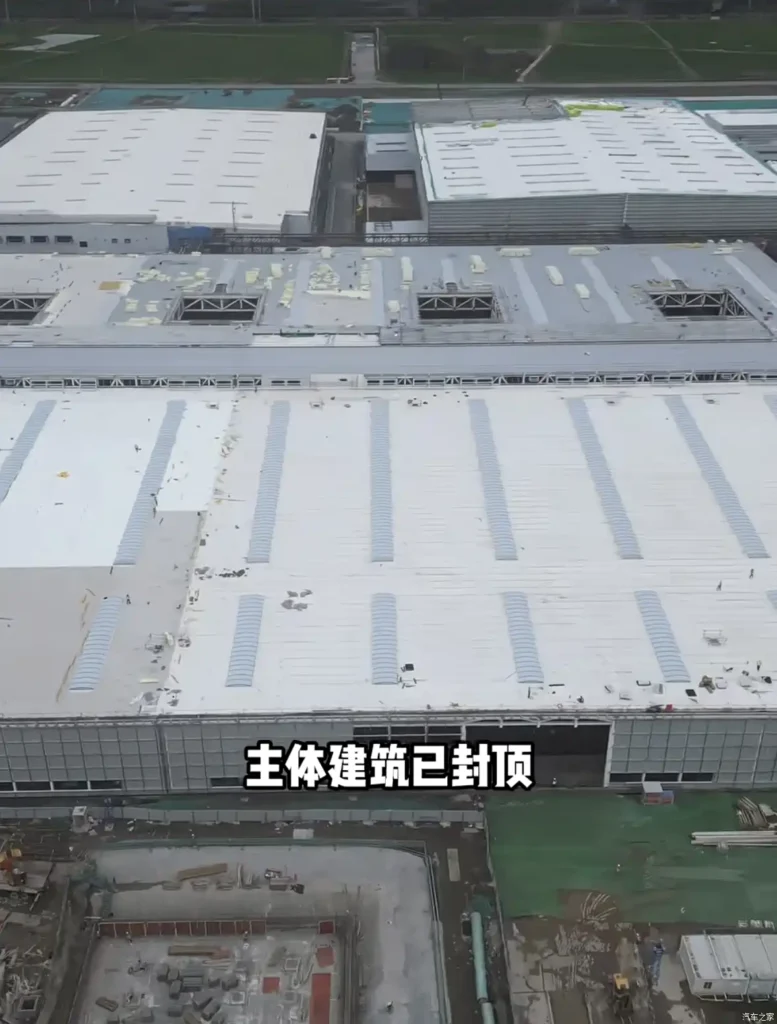
Unprecedented Scale: Leaked supply chain insights confirm the Shanghai facility’s footprint is unprecedented in scale for the brand.
Timeline Intact: Construction is aggressively on track to fully conclude by August 2026, with the first production vehicle officially scheduled to roll off the assembly line within 2027.
The Solid-State “Secret Weapon”: Industry insiders indicate that the vehicles manufactured at the Shanghai hub will be natively engineered to support Toyota’s next-generation solid-state battery technology, introducing industry-leading energy density, safety boundaries, and charging speeds to challenge premium domestic rivals.
4. [FAQ] Lexus EV Strategy Shift & Shanghai Plant Guide
- Q1: Why did Lexus cancel the mass production of the LF-ZC electric coupe?
- A: Lexus halted the production version of the LF-ZC concept due to a global slowdown in electric vehicle demand, particularly within the luxury sedan segment. This was further exacerbated by the removal of EV tax incentives in the US, delayed ICE bans in the EU, and intense price competition from Chinese EV makers.
- Q2: Is Lexus pulling out of the electric vehicle market entirely?
- A: Absolutely not. While Lexus is canceling niche products like the LF-ZC coupe, parent company Toyota is re-focusing its resources on highly profitable, high-demand vehicle segments like electric SUVs, as well as high-tech manufacturing hubs.
- Q3: When will the Lexus Shanghai EV factory begin vehicle production?
- A: Construction of the wholly-owned Lexus Shanghai EV and battery facility is scheduled to finish in August 2026. The plant remains fully on schedule to achieve its first vehicle roll-off within 2027, with mass production models expected to carry game-changing solid-state batteries.