


The Big Picture
- BYD Brazil plant reached 100,000 cumulative NEVs on July 16. First phase capacity: 150,000 vehicles/year. Workforce: 5,500 and growing.
- $1 billion investment in Camacari, Bahia. Opened July 1, 2025. First model: Seagull/Dolphin Mini. October 2025: 14 millionth global NEV rolled off this line and was presented to President Lula.
- 50% localization target by early 2027. Battery production being added locally. “We are localizing so we can truly become a Brazilian manufacturer.”
1. BYD Brazil Plant: The Numbers
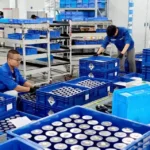
The Camacari plant in Bahia state is BYD’s most important manufacturing base outside Asia. Total investment: 5.5 billion reais ($1 billion). First phase annual capacity: 150,000 NEVs. The plant opened on July 1, 2025, and produced its 100,000th vehicle on July 16, 2026 — roughly 13 months. That’s an average of 7,700 units per month, or about 50% of nameplate capacity. The ramp-up curve suggests the plant is on track to reach full capacity within its second year.
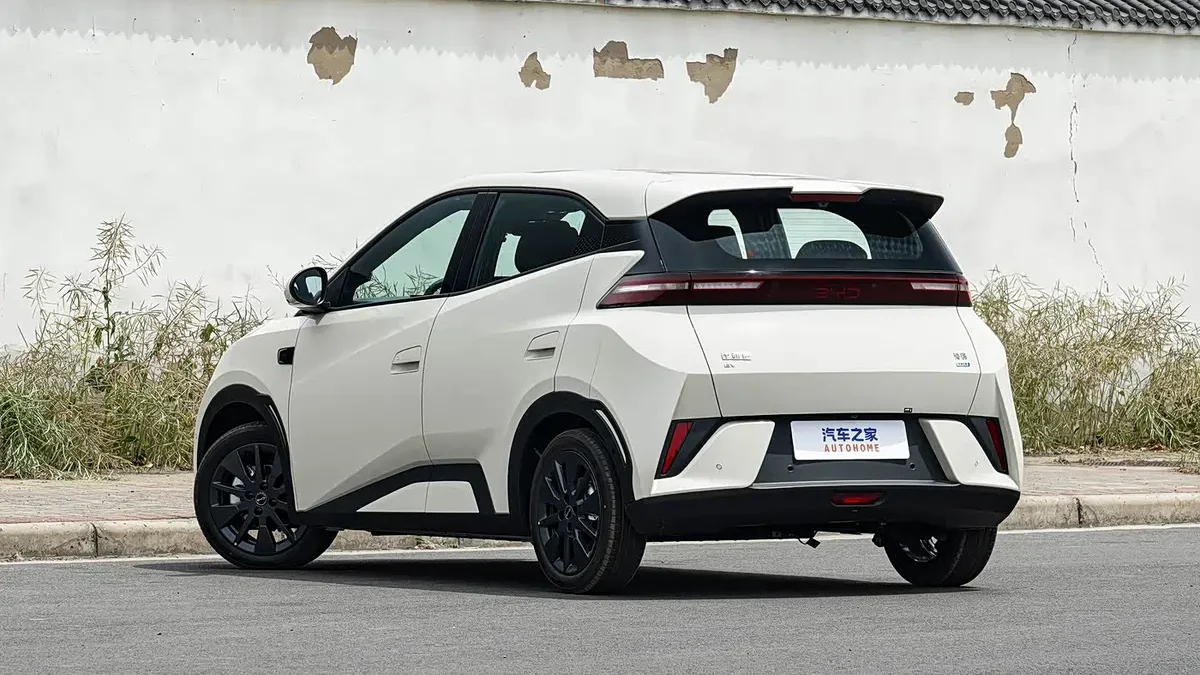
The milestone vehicle was a BYD Seagull — sold as the Dolphin Mini in Brazil and Mexico, and as the Dolphin Surf in Europe. It’s the same compact EV that’s BYD’s entry-level global product. In October 2025, just three months after opening, BYD’s 14 millionth global NEV rolled off the Camacari line — a Song Pro that was presented to Brazilian President Luiz Inácio Lula da Silva. Choosing Brazil for that global milestone was not accidental. BYD was signaling where it intends to build its Latin American future.
2. The Localization Play
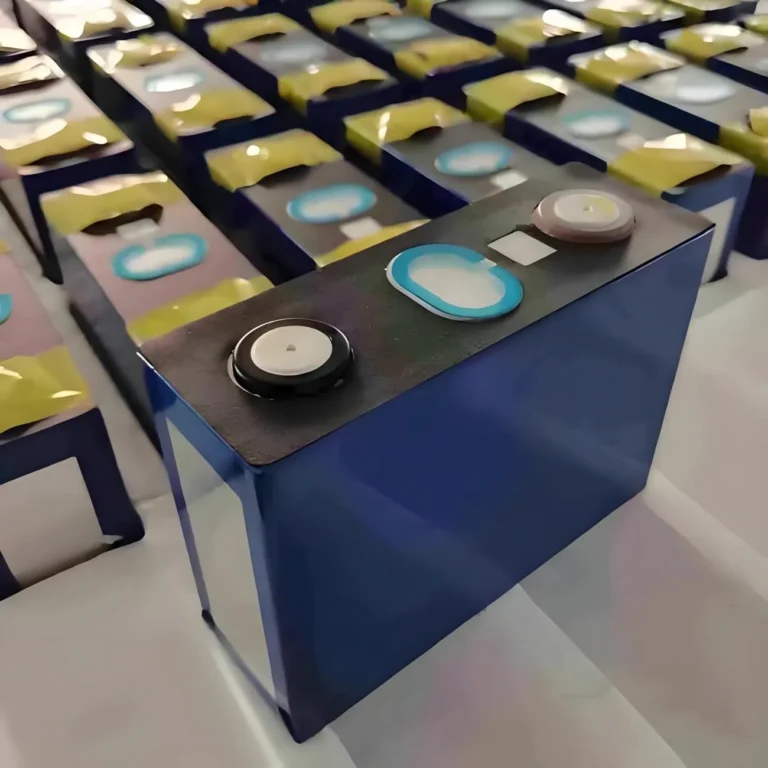
BYD is not just assembling kits in Brazil. Senior VP Alexandre Baldy told Reuters last month that the company aims for 50% local content by early 2027. Battery production is being added to the Camacari site — the single most valuable component in an EV. “We are localizing so that we can truly become a Brazilian manufacturer,” Baldy said. “The battery is one more item, an important component.”
The localization strategy serves three purposes. It reduces exposure to Brazil’s import tariffs on Chinese vehicles. It qualifies BYD for Brazilian government incentives for domestic manufacturing. And it insulates the operation from the shipping costs and port congestion that are increasingly constraining China’s record-breaking export volumes. A car built in Camacari with a Brazilian-made battery doesn’t need a container ship. It needs a truck to a local dealership.
3. The Bigger Goal: #1 in Brazil
BYD has publicly stated it aims to become Brazil’s best-selling auto brand by 2030. It’s already in the top 5 — a position that took Toyota, Volkswagen, and Fiat decades to achieve. The plant’s expansion is timed to the goal. BYD raised its 2026 overseas sales target to 1.5 million vehicles in March, up from an original 1.3 million — part of a broader overseas restructuring that collapsed Dynasty and Ocean into a single BYD brand globally. Brazil is a cornerstone of that target — a large domestic market (over 2 million new vehicles annually) with a government that is actively courting Chinese EV investment.
Brazil matters for another reason: it’s the gateway to the rest of Latin America. A vehicle manufactured in Brazil under Mercosur trade rules can be exported duty-free to Argentina, Uruguay, and Paraguay. BYD’s Camacari plant is not just a factory for the Brazilian market. It’s a manufacturing platform for the entire Southern Cone. The Seagull that rolled off the line as #100,000 is the same model that could eventually be sold from Buenos Aires to Montevideo — all produced within the trade bloc, all qualifying for tariff-free regional distribution.
Author’s TakeBYD’s strategy in Brazil is the most comprehensive of any Chinese automaker in any overseas market. It’s not just exporting vehicles. It’s building a factory. It’s localizing the battery. It’s hiring thousands of local workers. It’s presenting milestone vehicles to the country’s president. It’s telling Reuters it wants to “truly become a Brazilian manufacturer.” This is what full-spectrum localization looks like — and it’s the template for how Chinese automakers will enter every large emerging market that offers political cover for domestic manufacturing. The export era is giving way to the localization era. BYD’s Camacari plant is Exhibit A.
The Bottom Line
BYD Brazil plant: 100,000 vehicles in 13 months. $1 billion invested. 5,500 workers. 50% localization by 2027. Aiming to be Brazil’s #1 brand by 2030. This is not an export operation with a local badge. It’s a fully integrated manufacturing play with battery production, political relationships at the presidential level, and a trade-bloc export strategy built into the factory’s business plan. The rest of Latin America is next.

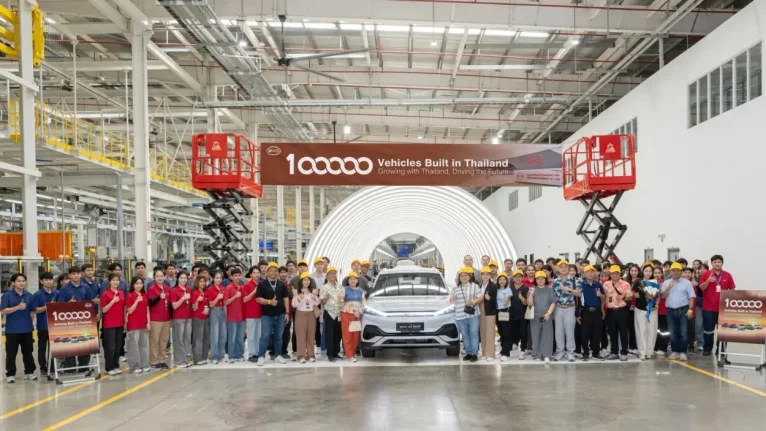

[…] is worth reading alongside the same milestone at BYD’s plant in Brazil: two overseas bases, two 100,000-vehicle plaques, and in both cases the question that matters is […]