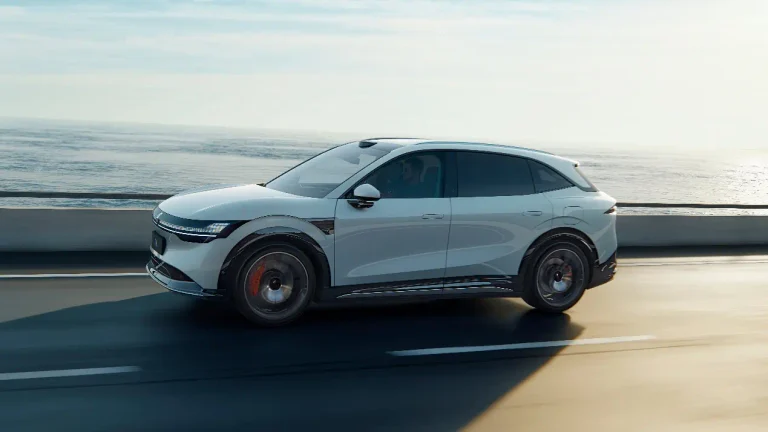


BYD launched the second-generation Seagull at the Zhengzhou International Circuit on 20 October, and the new BYD Seagull price list starts at 65,900 yuan (about USD 9,090 at 7.25) — 4,000 yuan below the car it replaces, for a vehicle that is 425 mm longer, seats five instead of four, drives its rear wheels, and charges from 10% to 70% in five minutes on three of its five trims. The old Seagull was the cheapest way into a BYD. The new one is a different class of car at a lower price.
What the New BYD Seagull Price List Buys
Five trims, four powertrain configurations, and a 34,000-yuan spread between the cheapest and most expensive car — more than half the price of the entry model. That is an unusually wide ladder for an A0 hatchback, and it is the first thing to understand about this launch.
| Trim | Guide price | Trade-in price | CLTC range | Battery | Motor | Flash charging |
|---|---|---|---|---|---|---|
| Vitality (活力版) | 65,900 | 62,900 | 320 km | 30.1 kWh | 85 kW | No |
| Freedom (自由版) | 72,900 | 69,900 | 320 km | 30.1 kWh | 85 kW | No |
| Comfort (自在版) | 75,900 | 72,900 | 420 km | 39.2 kWh | 95 kW | Yes |
| Flying (飞翔版) | 82,900 | 79,900 | 420 km | 39.2 kWh | 95 kW | Yes |
| Smart (智趣版) | 99,900 | 96,900 | 420 km | 39.2 kWh | 95 kW | Yes |
There is a trap in the middle of that table, and Chinese trade coverage has already picked it up. Freedom at 72,900 and Comfort at 75,900 are 3,000 yuan apart, but they buy entirely different things. Freedom spends that money on comfort: 16-inch alloys instead of steel wheels, a power tailgate, six airbags instead of four, six-way electric driver’s seat, heated and ventilated front seats, driver’s massage, eight speakers, ambient lighting, 50 W wireless charging and rear air vents. Comfort spends it on distance: 100 km more range, the stronger motor and flash charging — and drops most of that comfort kit to pay for it.
Buyers get a choice between a well-equipped 320-km car and a sparsely equipped 420-km car for almost the same money. It is a rational way to cover two customer types with one platform, and it is also the kind of structure that generates a lot of showroom conversations.
Bigger, Rear-Drive and Cheaper Than the Car It Replaces
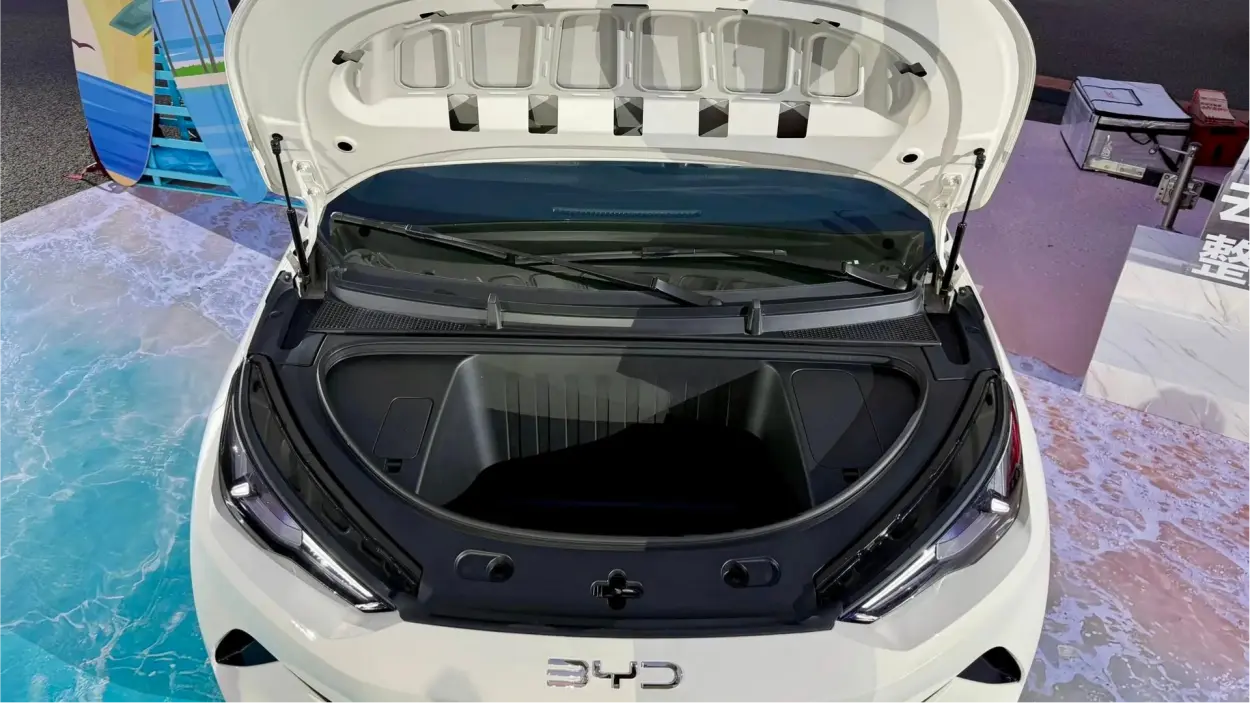
The dimensions are the story. At 4,205 × 1,810 × 1,570 mm with a 2,650 mm wheelbase, the new Seagull is 425 mm longer than the car it replaces (3,780 mm) and has 150 mm more between the axles. It moves from the A00 class into A0, which in practice means it now sits just under the Dolphin rather than under everything. Seating goes from four to five. There is a 94-litre frunk that opens with a knock, and the boot runs from 380 to 1,380 litres with the rear seats folded.
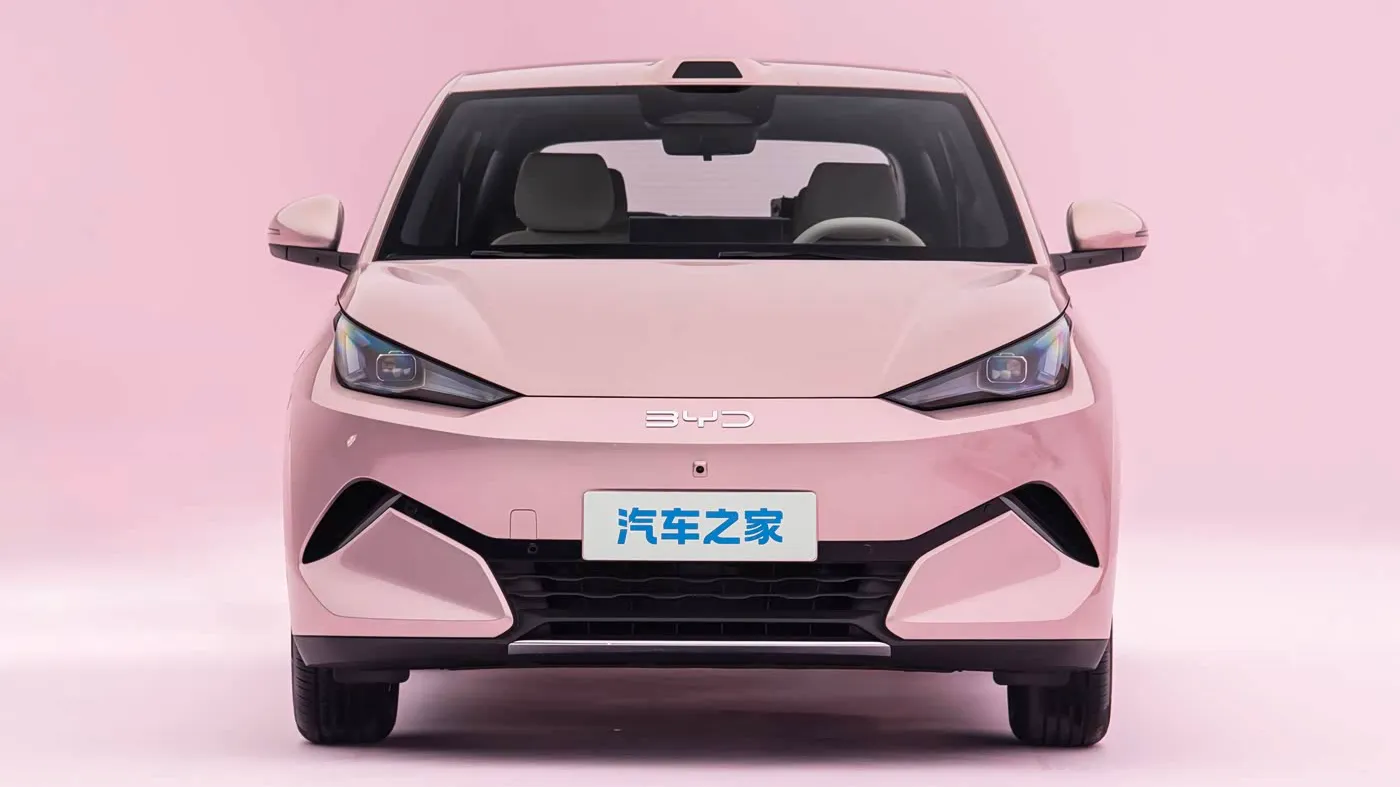
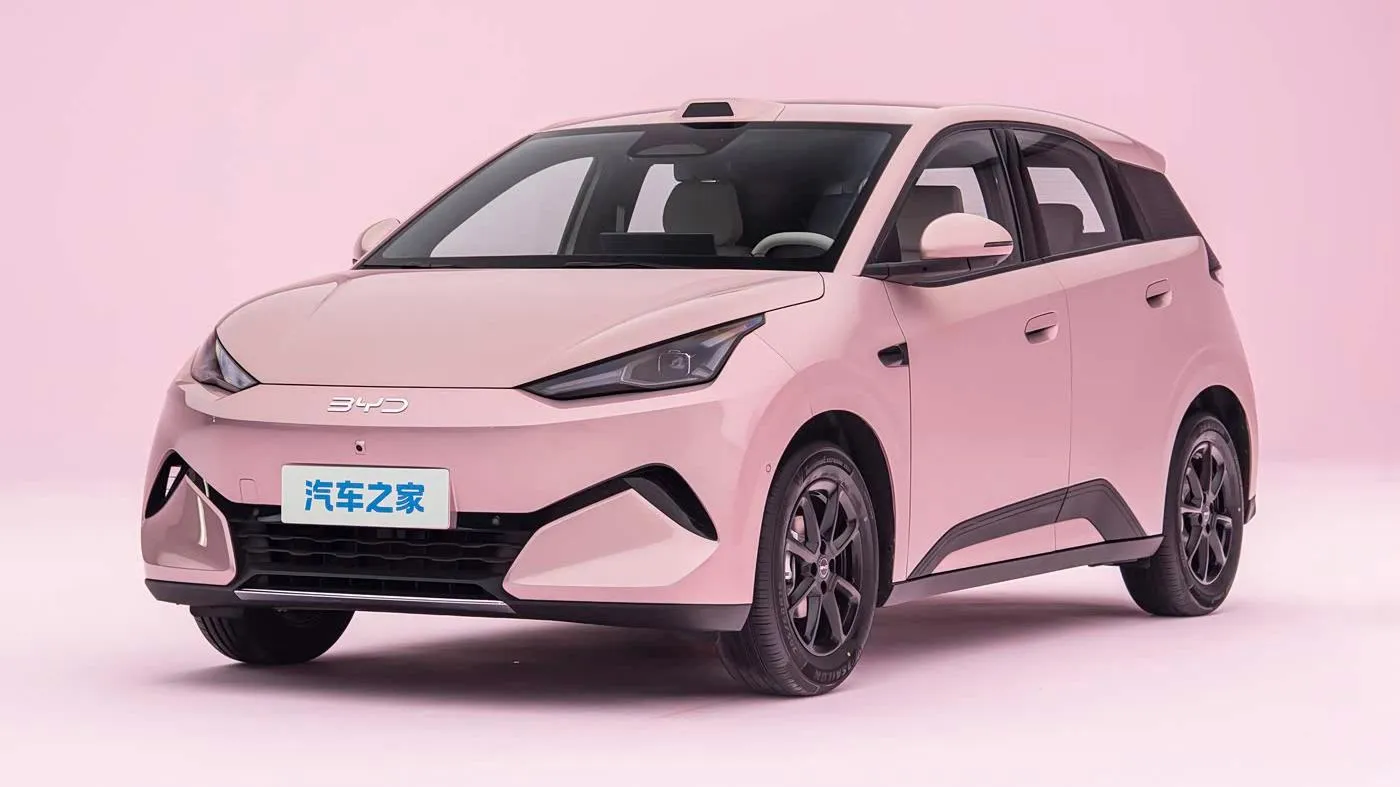
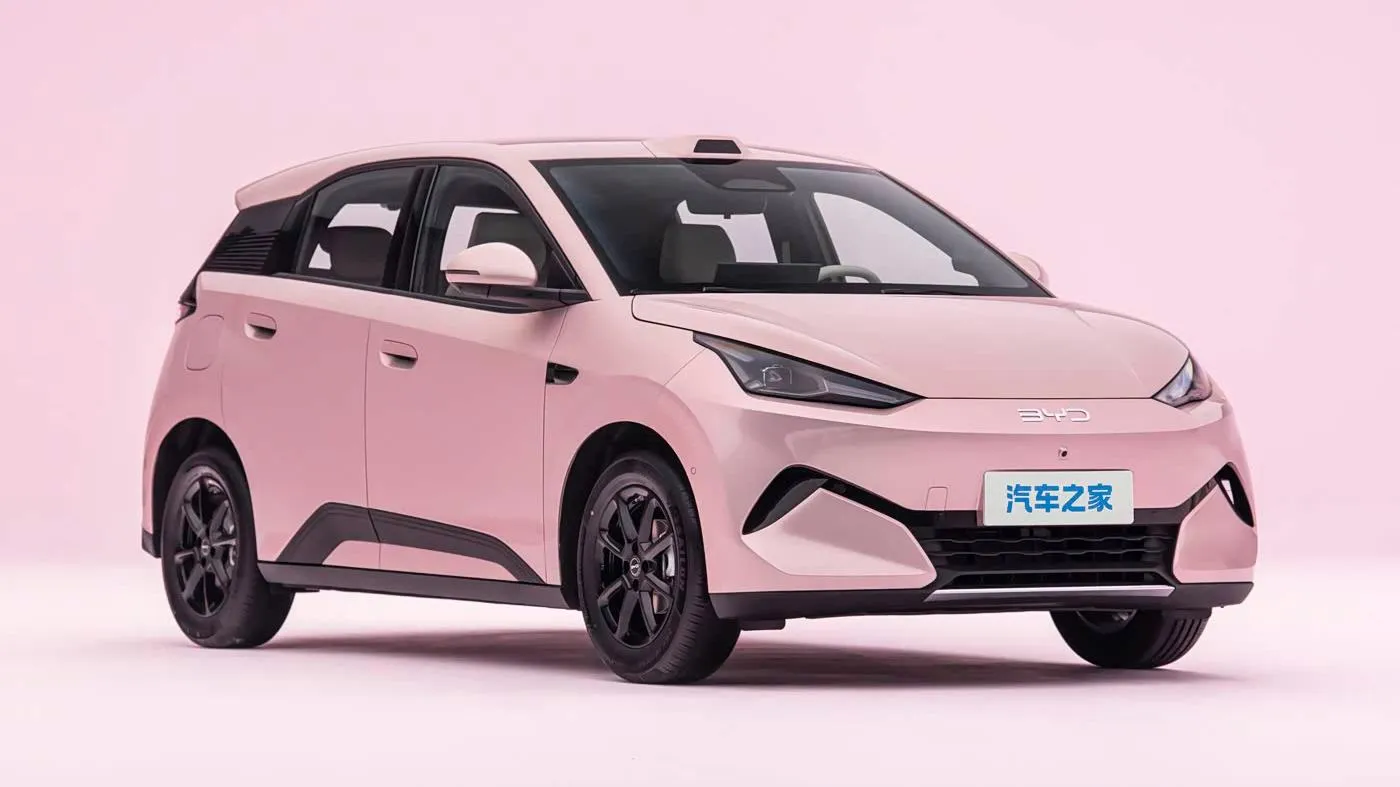
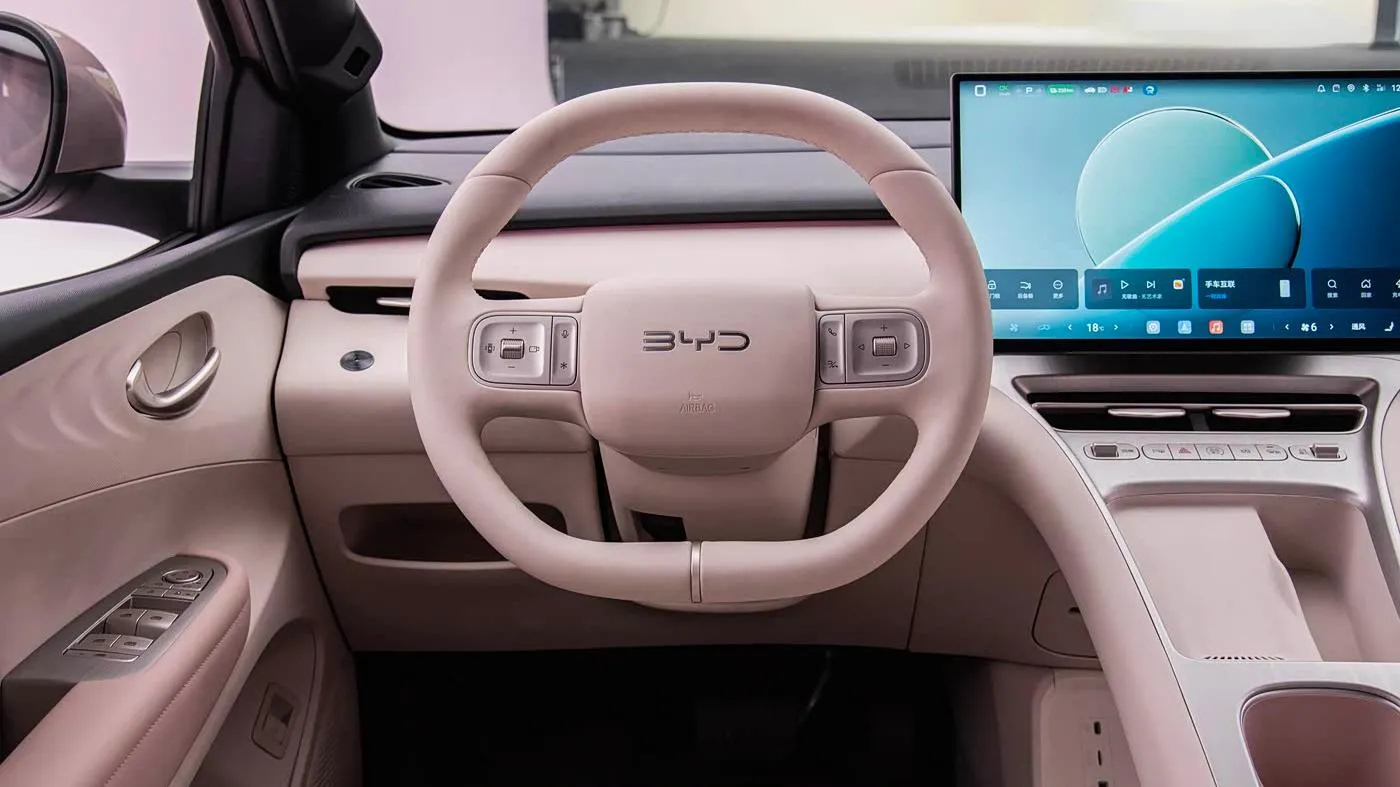
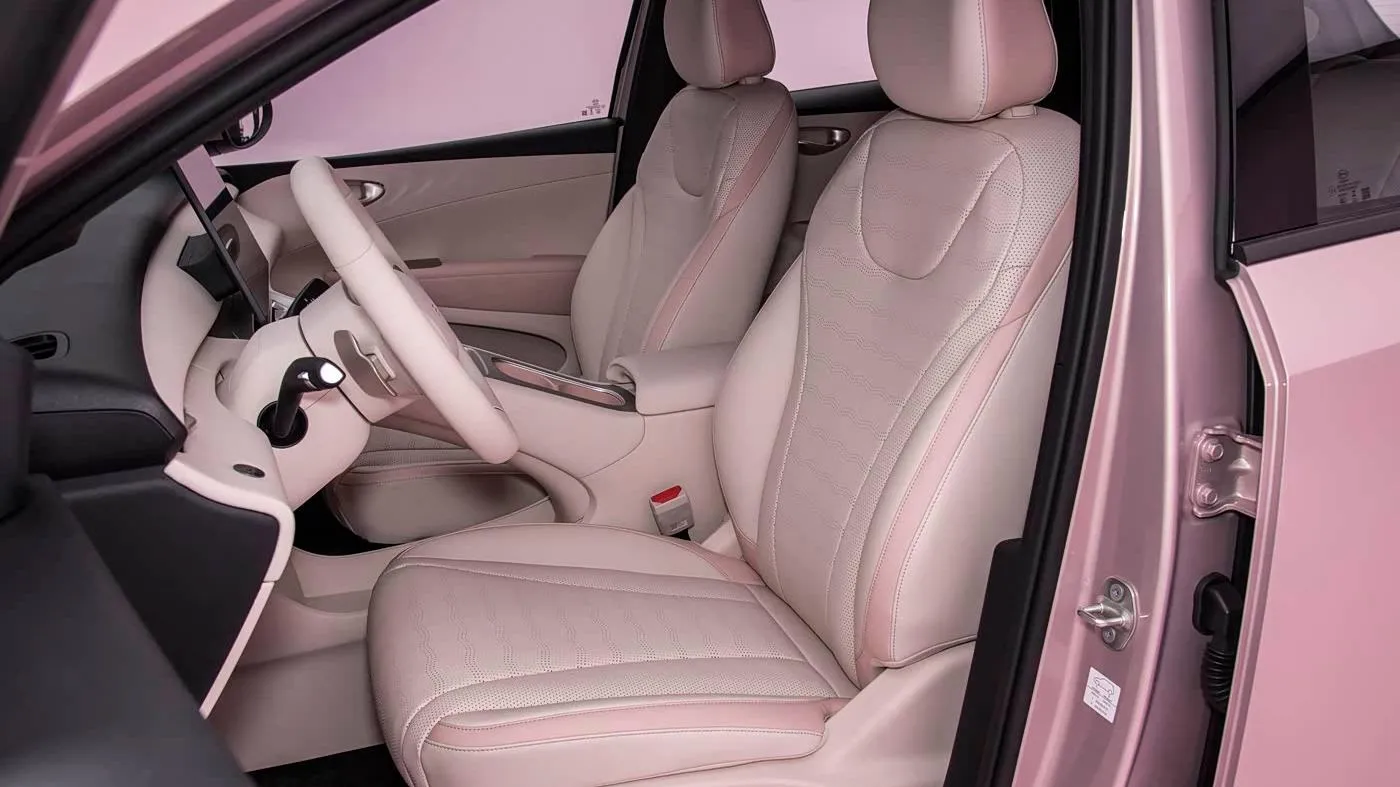
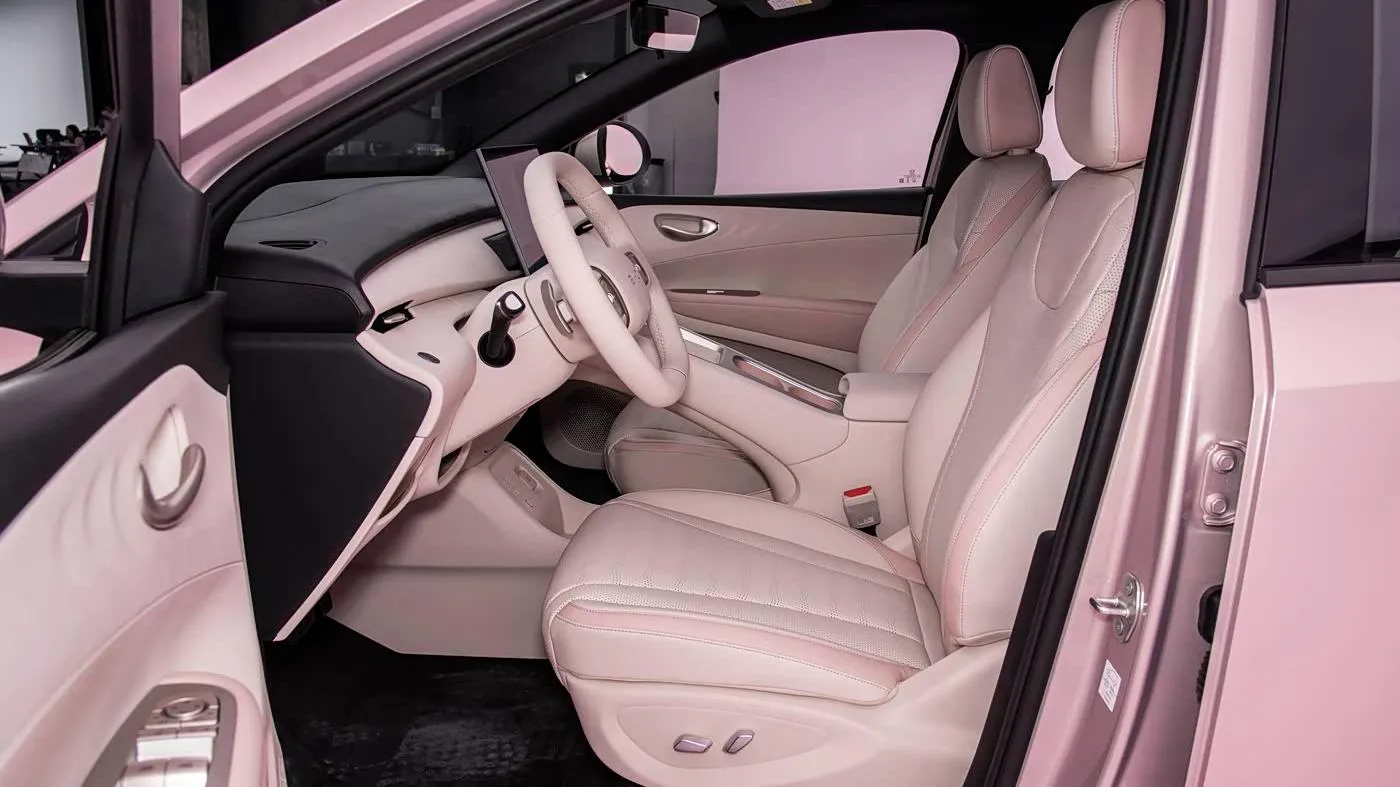
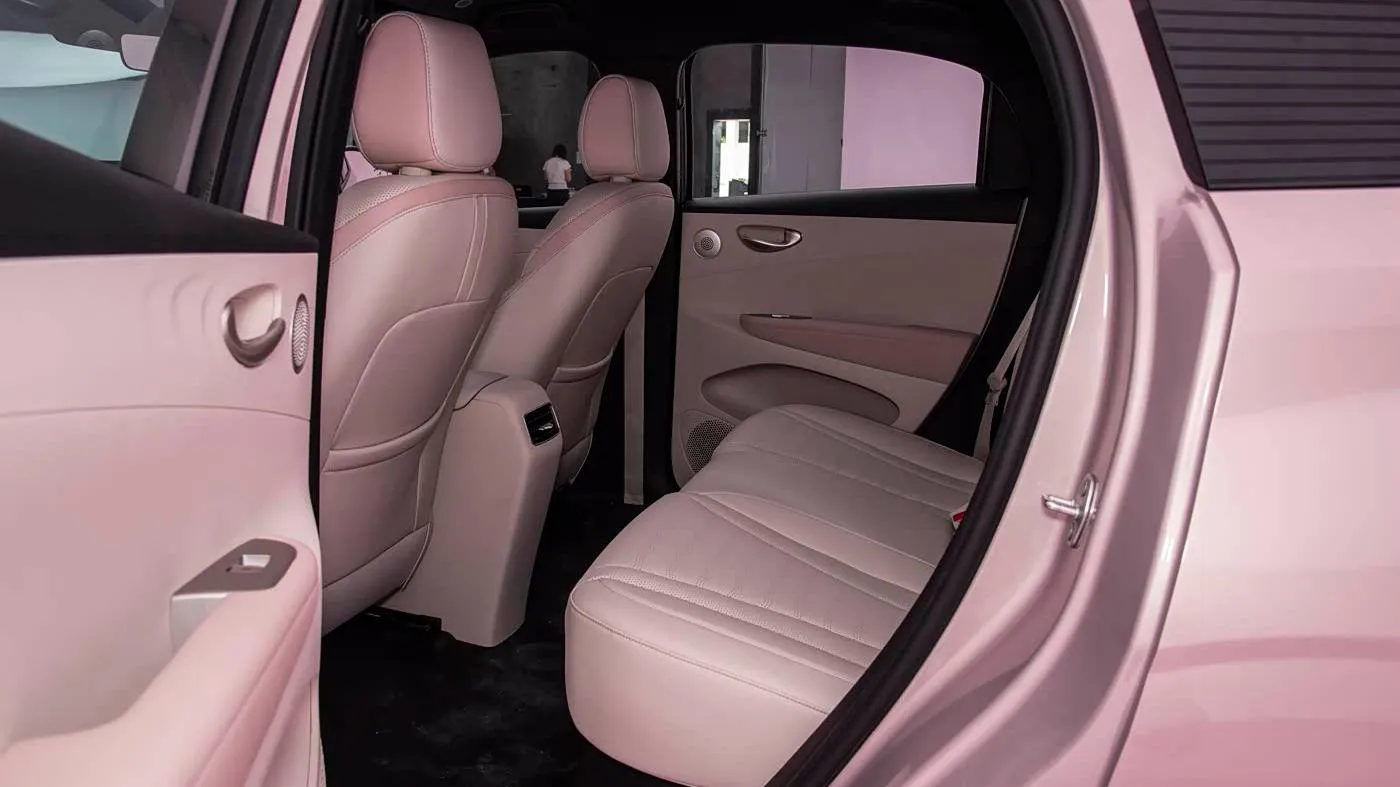
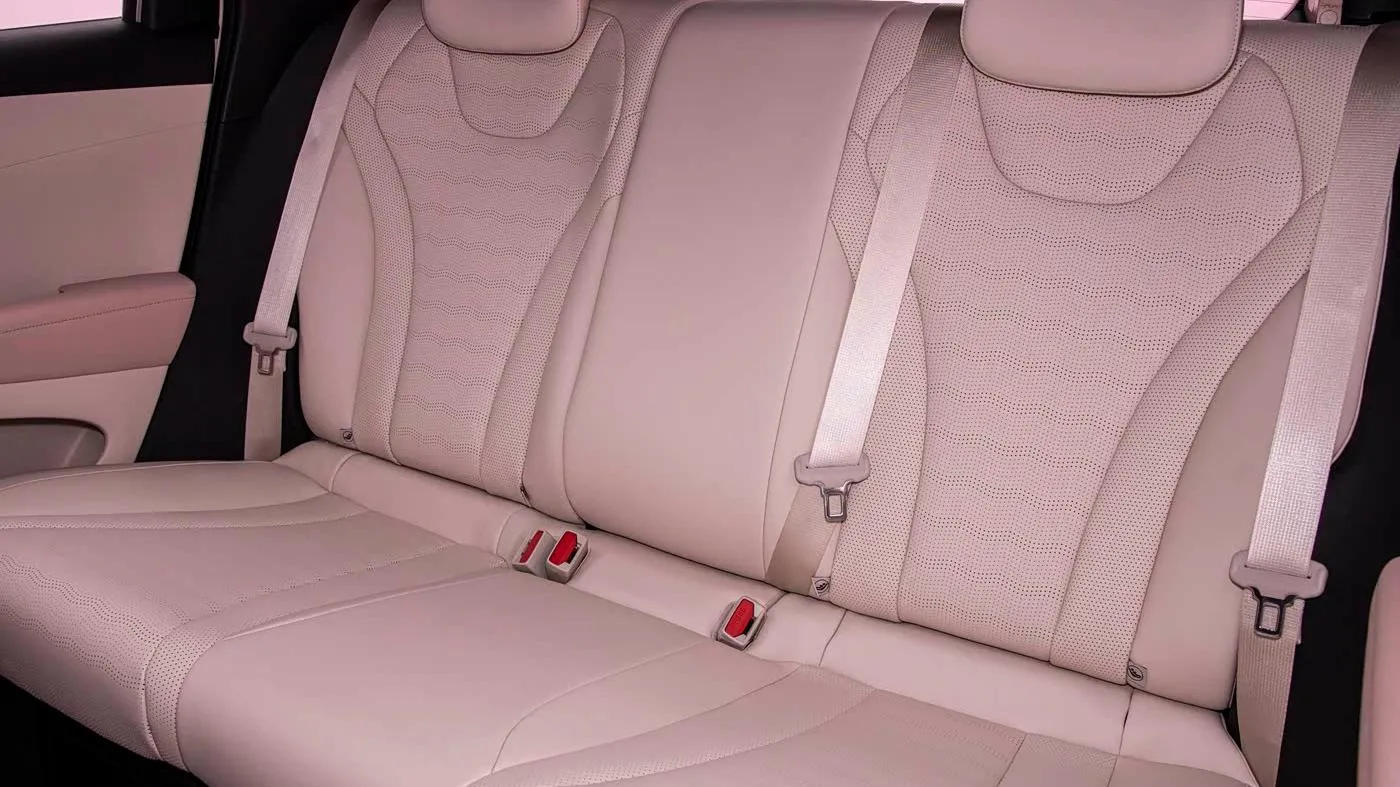
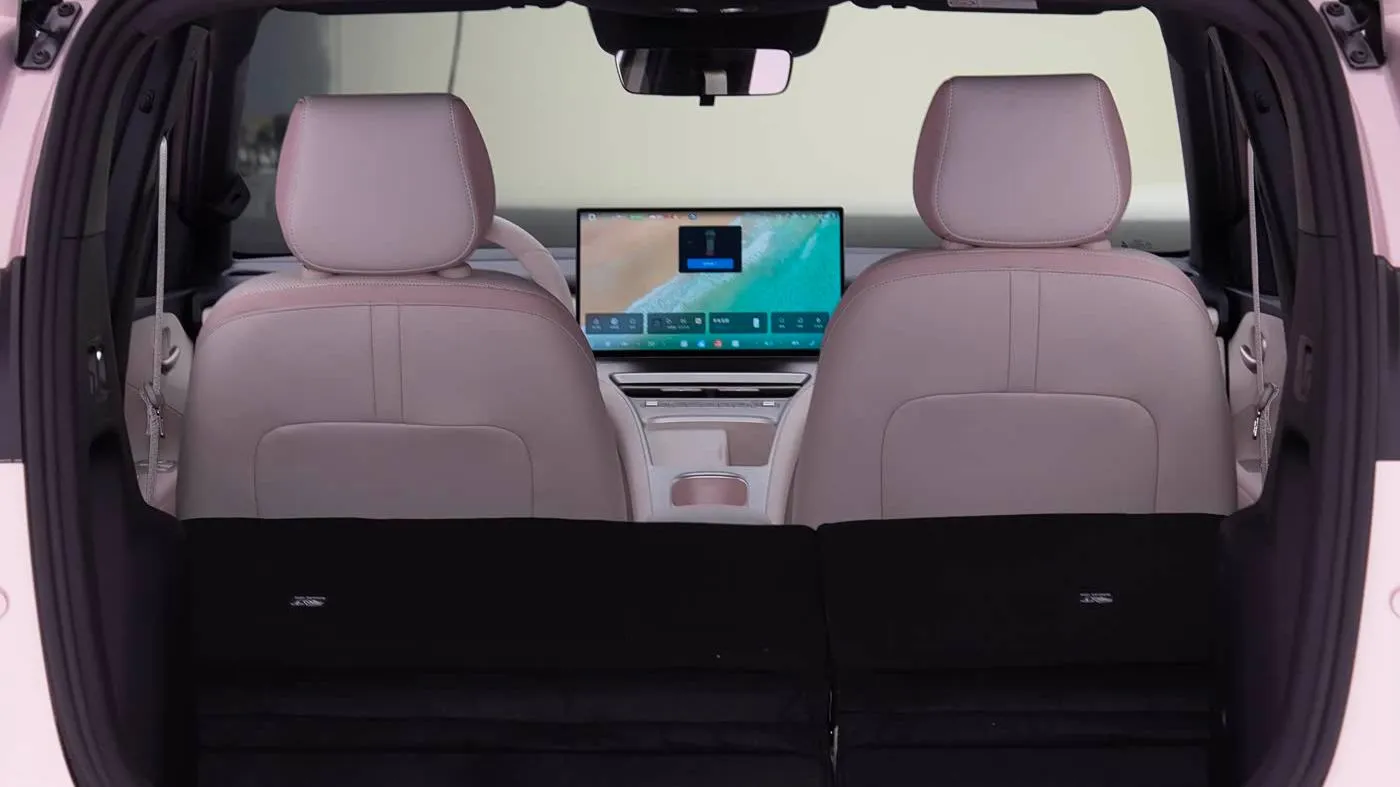
Underneath, the layout changes completely. The motor moves from the front axle to the rear, the rear suspension goes from a torsion beam to a multi-link independent setup, and top speed rises from 130 to 150 km/h. Tyres grow to 205/60 R16. Turning radius is 4.95 m, so the car is still parkable in the streets the old one was built for.
Here is a weight figure worth pausing on. The old 405-km Seagull weighed 1,240 kg. The new 420-km Flying trim weighs 1,180 kg — 60 kg lighter, despite being 425 mm longer, carrying a slightly larger battery (39.2 kWh against 38.88 kWh) and adding an independent rear suspension. BYD quotes consumption as low as 9.0 kWh per 100 km. That is what a second-generation Blade pack and a stiffer body buy you.
Our own arithmetic on the BYD Seagull price list points the same way. Dividing price by CLTC range, the old car ran from 229 yuan per kilometre of range at the entry trim to 195 at the 405-km version. The new list runs from 206 yuan per kilometre at 65,900, and the 75,900-yuan 420-km trim works out at 181 yuan per kilometre — the cheapest range in the range, and cheaper per kilometre than any version of the car it replaces. BYD did not just cut the entry price by 4,000 yuan. It cut the price of distance.
Flash Charging on an Entry Seagull
The three 420-km trims carry BYD’s flash-charging technology, which the company says takes the pack from 10% to 70% in five minutes and from 10% to 97% in nine. At −30°C it adds about three minutes. This is the smallest car in BYD’s range with the system, and there is a condition attached: the numbers require a BYD flash-charging station. An ordinary public DC charger will not deliver them.
Two calculated numbers make the claim concrete, and they are ours. Moving 60% of a 39.2 kWh pack in five minutes is 23.5 kWh delivered, an average of about 282 kW across the window. Against a 39.2 kWh pack that is a 7.2C average rate — a figure normally associated with flagship cells in much larger, much more expensive cars, not with a 65,900-yuan hatchback. The 10–97% claim implies about 227 kW sustained over nine minutes.
That is why the charging network belongs in this story. BYD said on 20 October that it had built 12,165 flash-charging stations in China and intends to reach 20,000 by the end of the year. The company opened its 10,000th on 28 August, which works out to roughly 41 new stations a day over the 53 days since. Hitting 20,000 by 31 December requires 7,835 more in 72 days — about 109 a day, or 2.7 times the current pace.
Buyers of the three flash-capable trims get twelve months of free charging at those stations, and BYD has added a delivery clause that reads as a supply warning: for every day delivery slips beyond 30 days from order lock-in, the owner gets one extra day of free flash charging.
The Top Seagull Has a Lidar
The 99,900-yuan Smart trim is where the technology marketing lives. It carries DiPilot 300, the laser version of BYD’s God’s Eye B system: one lidar, eleven cameras, three millimetre-wave radars and twelve ultrasonic sensors, supporting city navigation assist, highway navigation assist, automatic parking, remote parking and valet parking. BYD is offering a one-year backstop on city navigation and automatic parking, covering repair and third-party losses in accidents it attributes to the system.
The other four trims get cruise control and rear parking radar, with four cameras. That is the honest shape of this launch: the headline capability is not spread across the range, it is concentrated in the car almost nobody will buy. What it does is reset the reference point. A lidar and city navigation assist were premium features two years ago; they are now listed, at least optionally on paper, on a car whose base price is under 66,000 yuan.
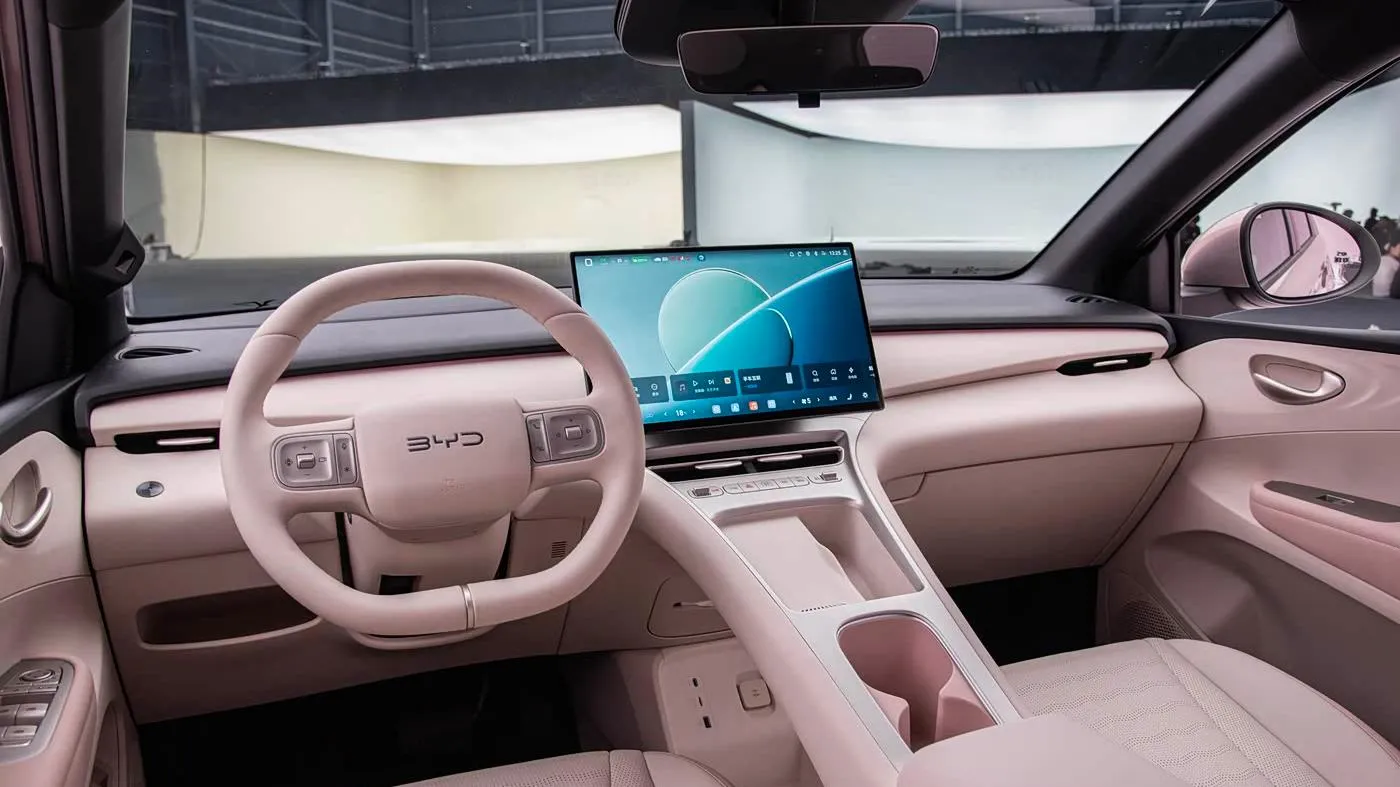
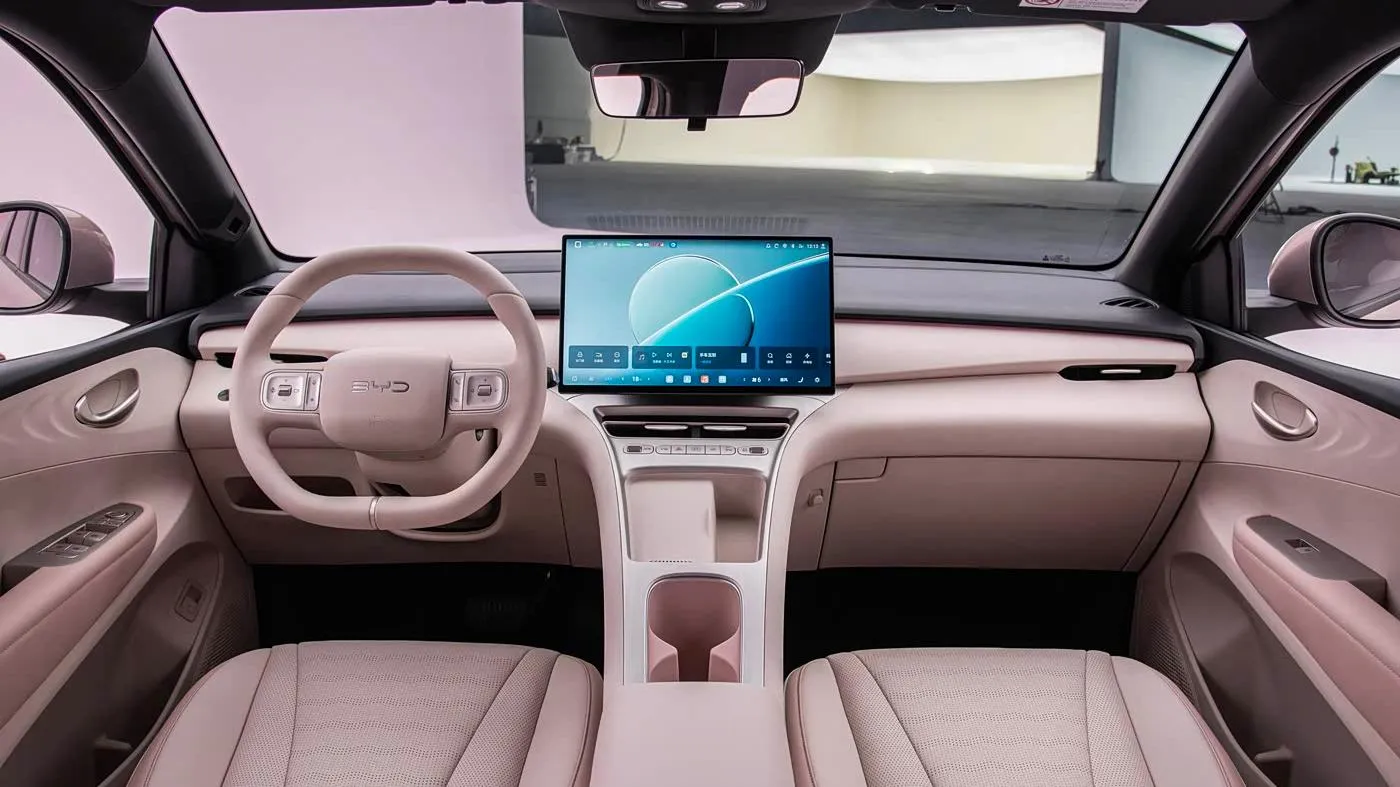
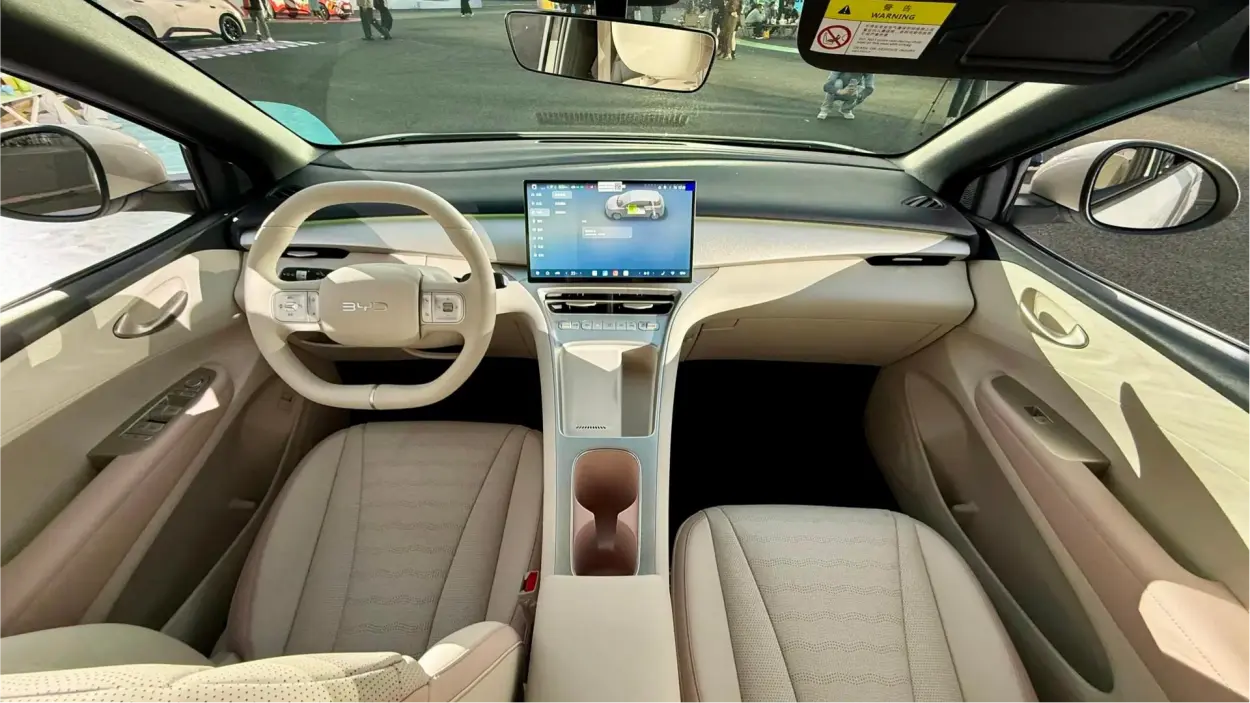
The Smart trim also gets the larger 15.6-inch rotating centre screen against 12.8 inches elsewhere, six airbags, a dashcam, driver fatigue monitoring and a tyre-blowout stability system operating between 60 and 140 km/h. Across the range the body is a ten-beam, four-pillar cage with 69% high-strength steel, and every trim has a 360-degree camera, sentry mode and remote monitoring.
Why BYD Cut the Seagull Price
Because the Seagull stopped growing. The model set a record as the fastest electric car to reach a million sales after its April 2023 debut, and cumulative volume now stands at about 1.55 million. It sold 529,537 units in 2025. This year it has sold 265,901 in the first nine months — down 33.22% year on year. Set against that, the new BYD Seagull price ladder reads less like a value upgrade than like a defensive instrument.
September offered the first sign of a turn: 38,650 units, up 11.75% year on year and 7.05% month on month, the second consecutive month of year-on-year growth, according to Chinese industry sales data. A cheaper, larger, faster car is the obvious next move, and it is a defensive one.
The segment moved underneath it as well. The old Seagull was a four-seat A00 city pod with a 55 kW front motor, a torsion beam and 305 or 405 km of range, priced from 69,900 yuan in its 2026 model year. Chinese buyers spending under 100,000 yuan have shifted toward A0 cars with five seats and usable rear space, and a four-seat A00 cannot follow them. Enlarging the Seagull was not optional; cutting its price was.
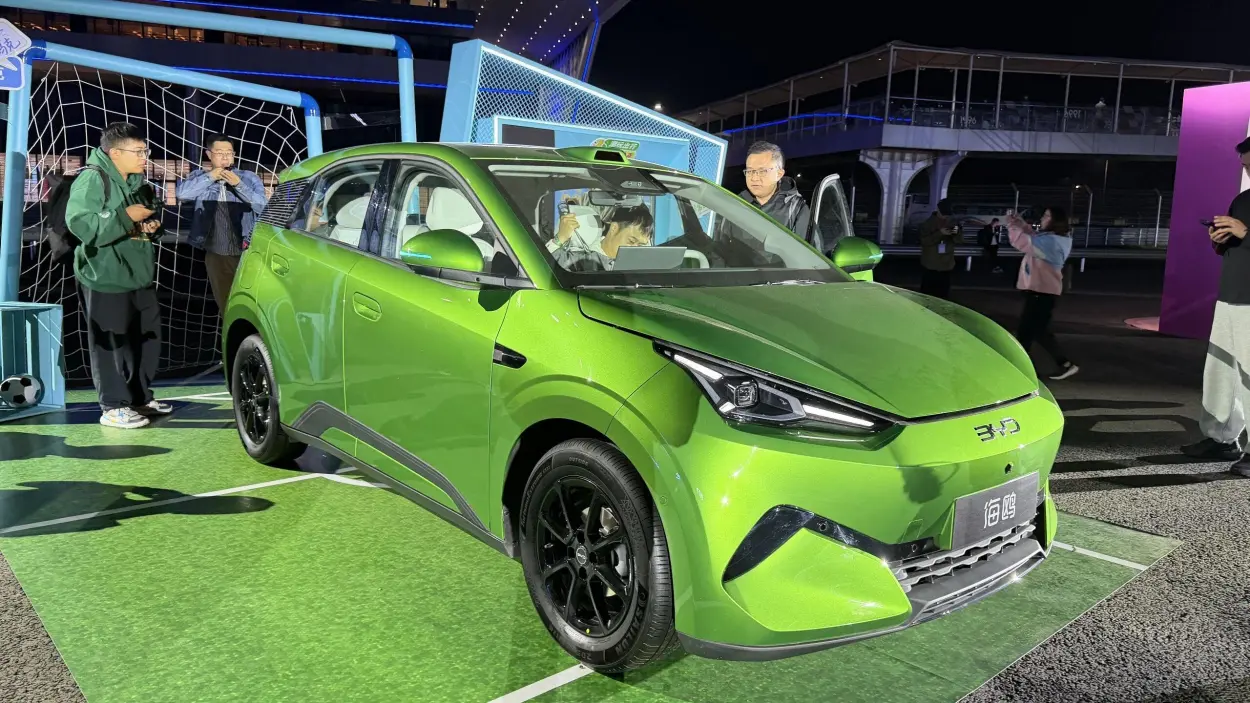
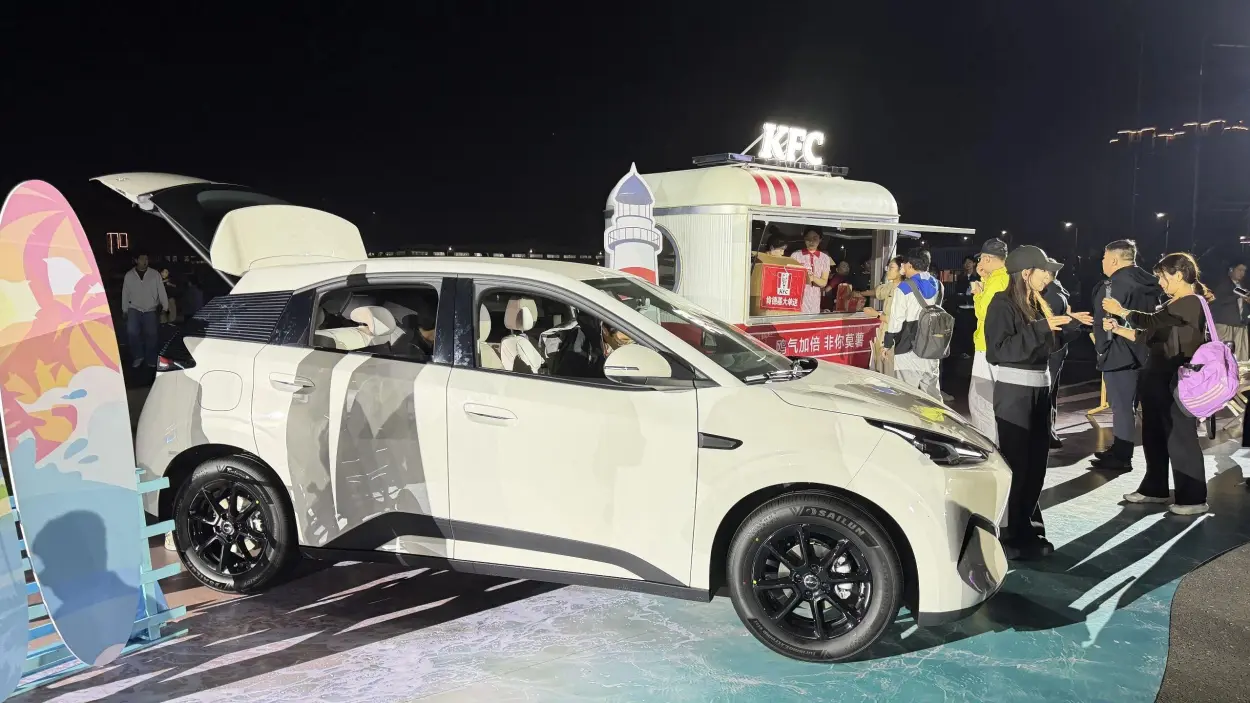
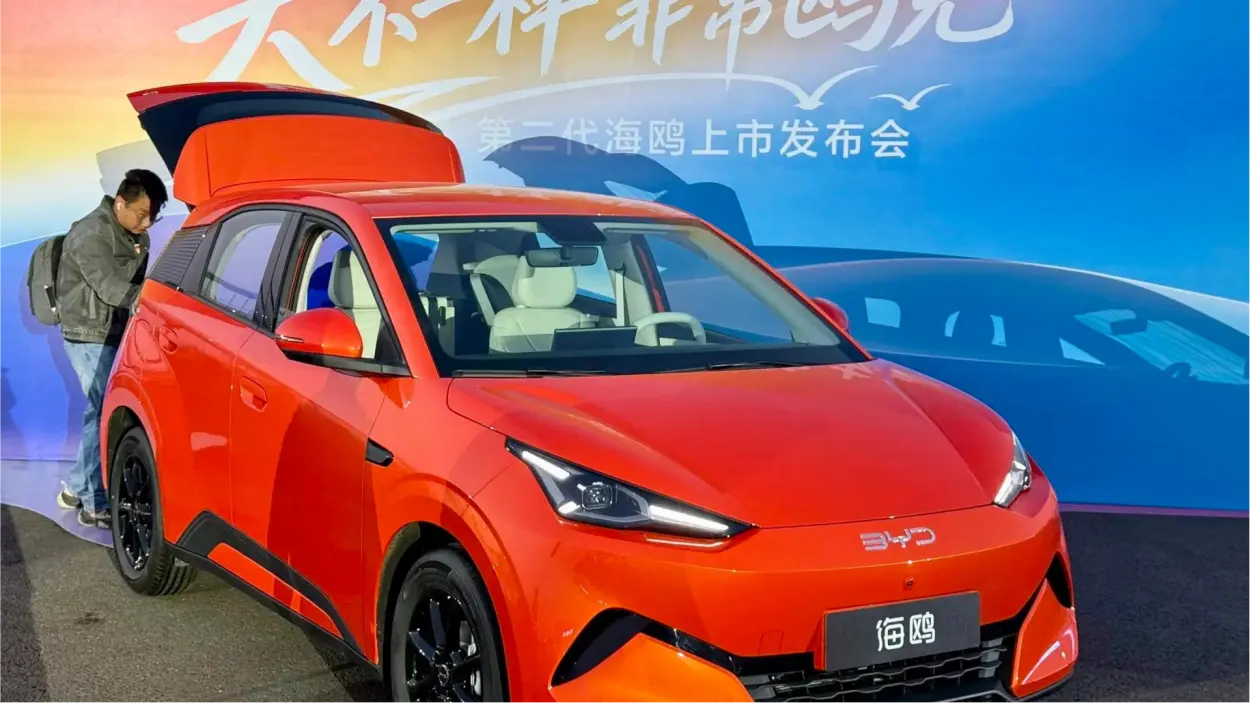
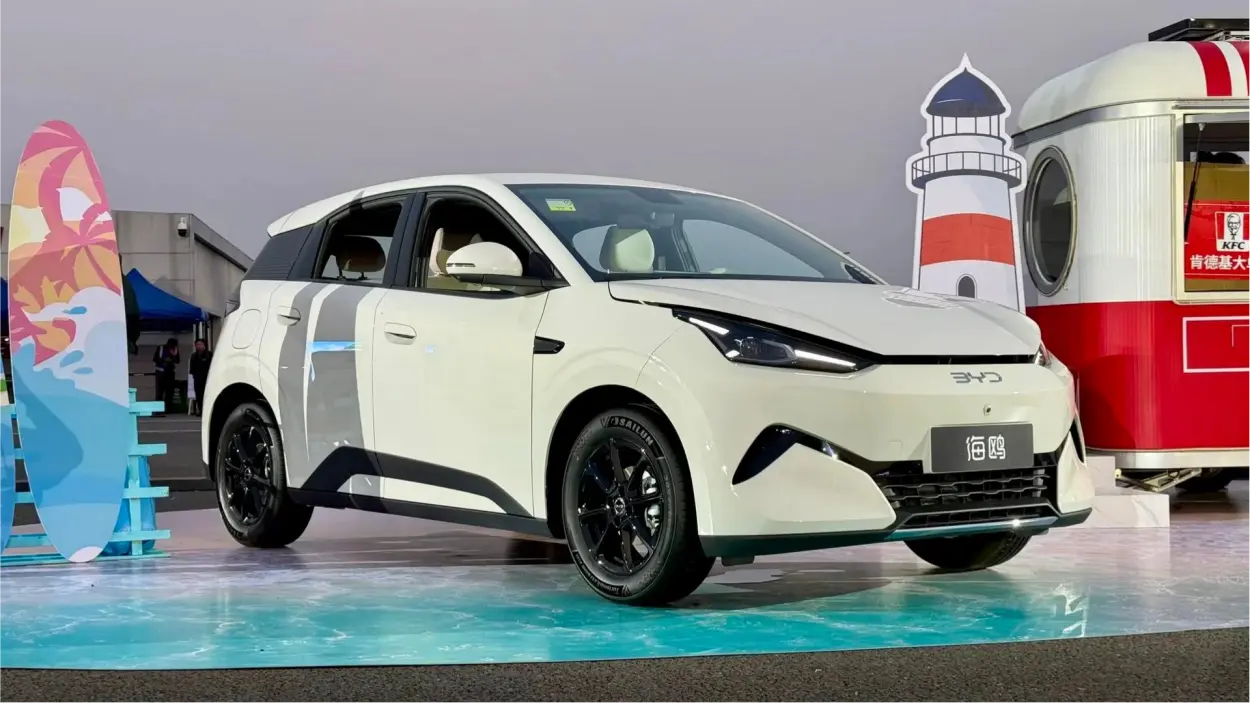
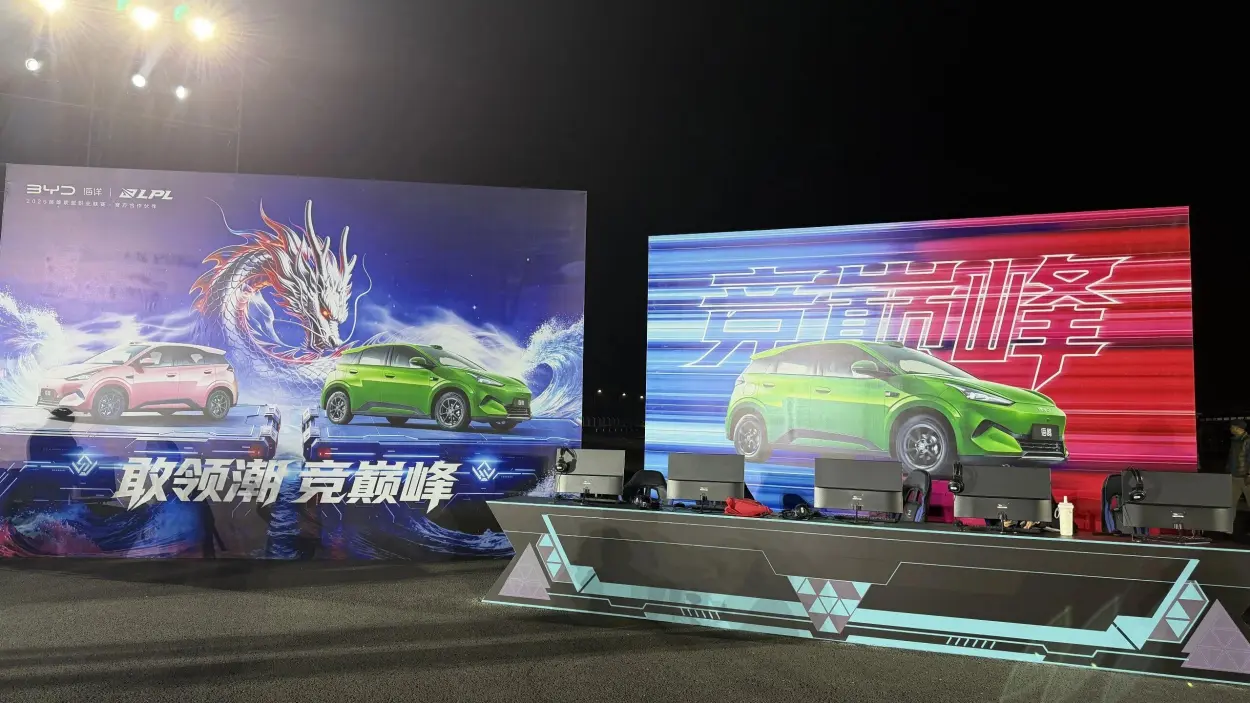
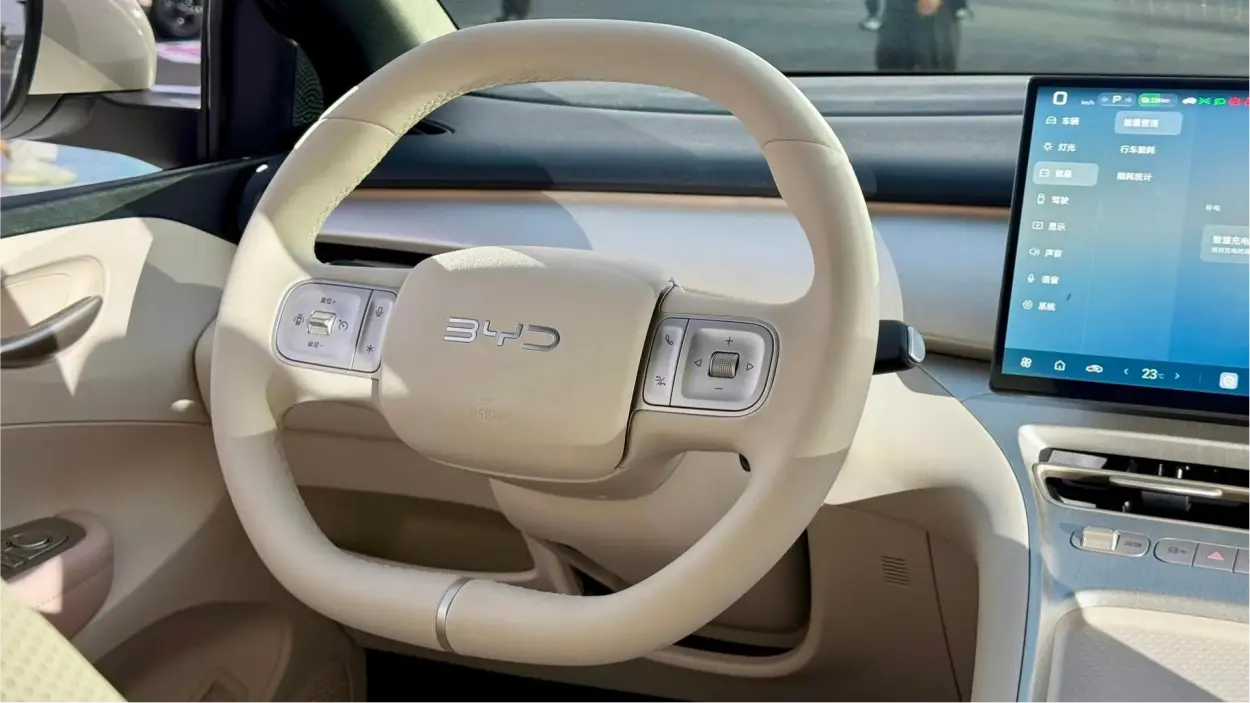
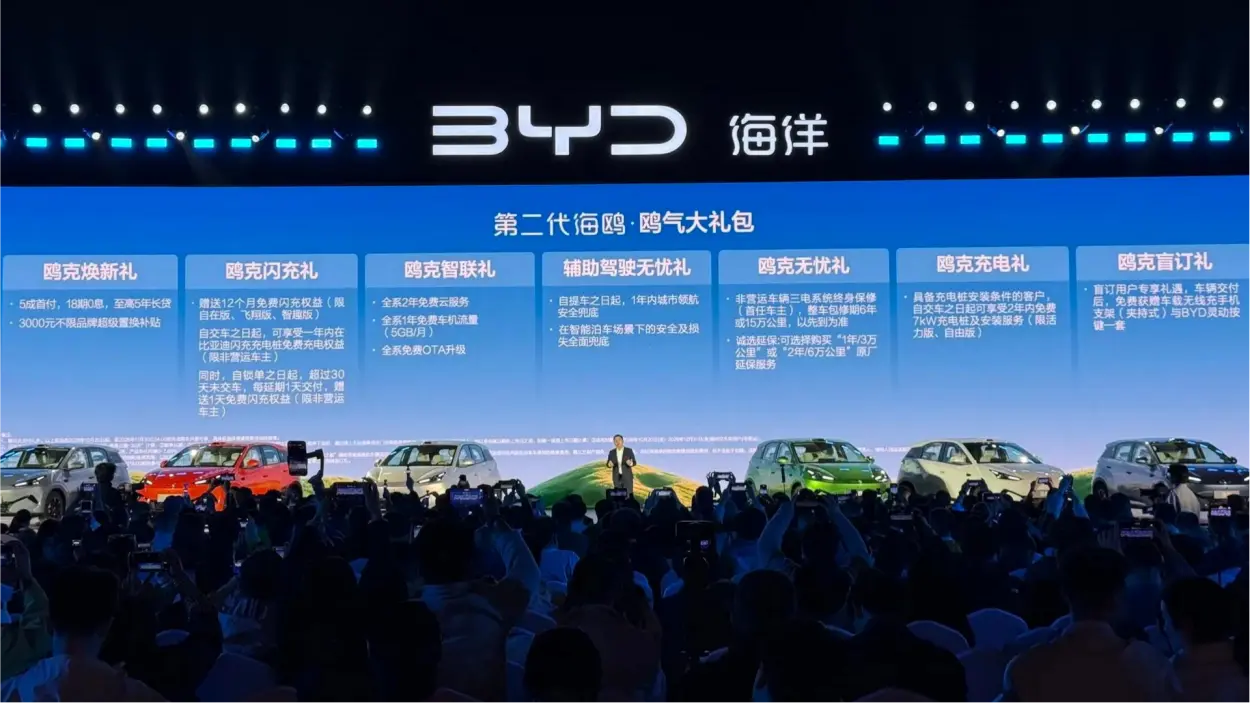
From the floor: BYD staged this launch outdoors at the Zhengzhou International Circuit, with the cars spread across themed stands rather than set on a single turntable — a wrapped example on the red carpet at the entrance, colour cars on artificial turf, a white car parked beside a lighthouse prop on a blue carpet, and the five-trim price wall at the back of the hall. Two things read differently in person than on a spec sheet. The body is visibly wider than the outgoing car, and the front compartment is deeper than this class normally manages. The rear bench, now a three-seater, is the change that matters most for the family buyers BYD is chasing with this generation.
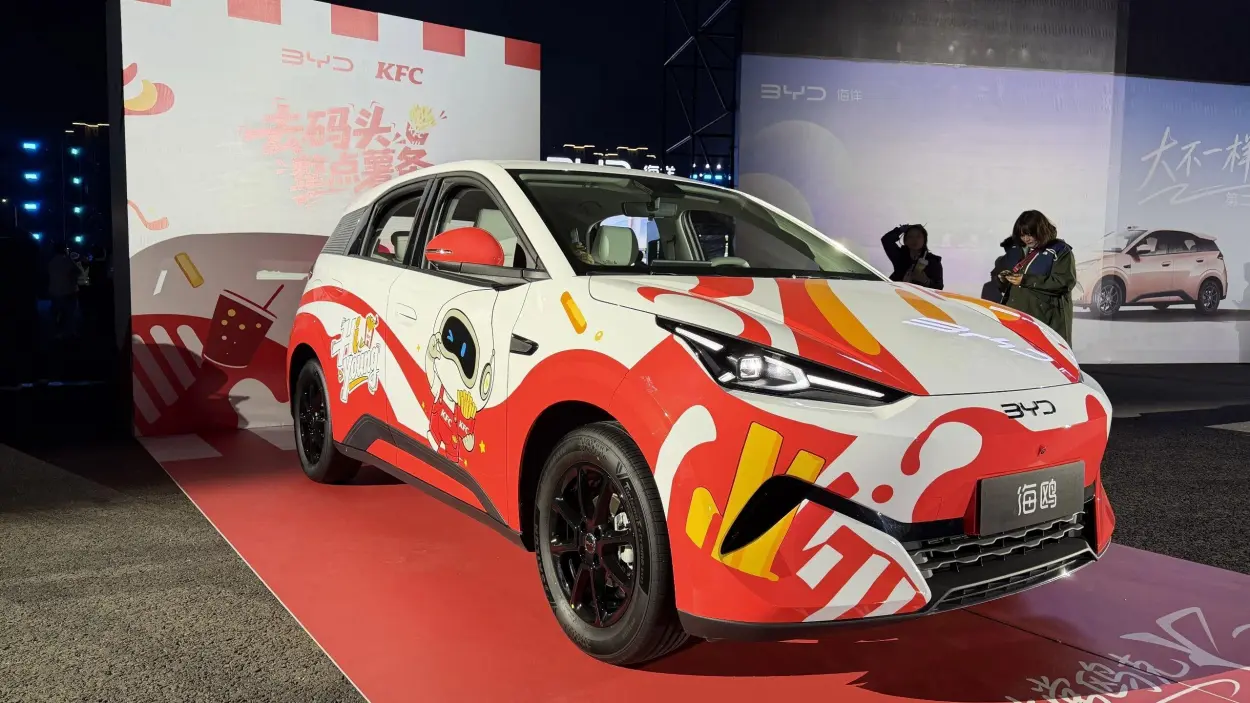
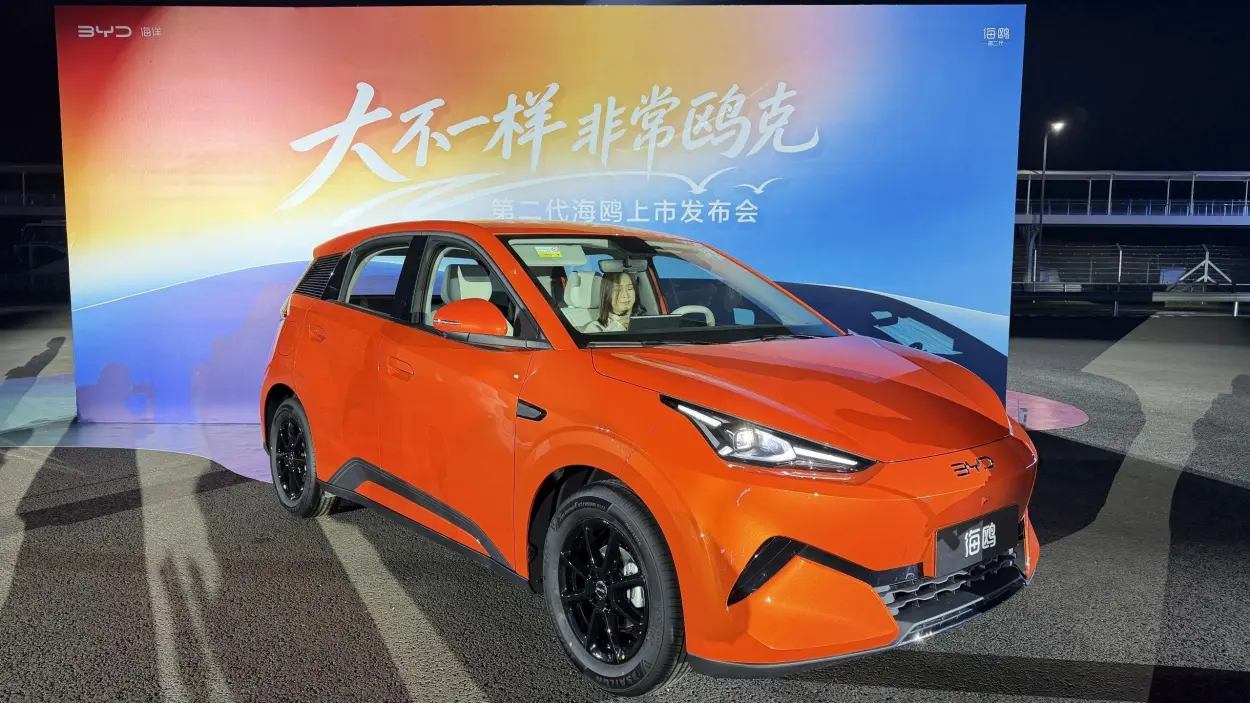

Author’s Take: The 4,000-yuan cut is the headline, but the strategy is in the charging network. A 7.2C average on a 39.2 kWh pack is a genuinely aggressive number, and it only exists inside BYD’s own station footprint — which turns the cheapest car in the range into a subscription to BYD infrastructure rather than a one-off purchase. That is a harder moat than a badge, and it explains why the company is building stations faster than it is launching cars. The lidar trim is the opposite kind of move: it is a showroom device. Almost no Seagull buyer will pay 99,900 for it, but its presence re-anchors what a cheap EV is supposed to include, and it makes the 75,900-yuan Comfort trim look reasonable by comparison. The real risk is the middle of the lineup. Freedom and Comfort sit 3,000 yuan apart and ask the buyer to choose between comfort and range, which is a question most people answer by walking to a competitor with a simpler ladder. And with year-to-date sales down a third, the possibility that the problem was never the product has not been ruled out.
The Bottom Line: On 20 October in Zhengzhou, BYD put the second-generation Seagull on sale from 65,900 yuan — 4,000 yuan below the outgoing car — while making it 425 mm longer, five-seat, rear-drive with a multi-link rear axle, and available with 420 km of CLTC range and a five-minute 10–70% flash charge. The top trim adds a lidar and city navigation assist for 99,900 yuan. It is a bigger, better and cheaper car than the one it replaces, launched by a company whose best-selling small EV is down 33% this year, and backed by a charging network that needs to more than double its build rate in the next ten weeks to meet its own target.
Notes: All prices, ranges, charging times, dimensions and equipment levels are BYD’s own launch figures as disclosed on 20 October and reported by Chinese and English trade media; they are manufacturer claims and have not been independently tested. EVsays attended the launch at the Zhengzhou International Circuit and took the photographs in the second gallery; we did not drive the car, and nothing here is a road test. The 282 kW average charging power, the 7.2C rate, the 227 kW figure for the 10–97% window, the yuan-per-kilometre calculations, the 41-stations-per-day build rate and the 2.7× comparison against BYD’s year-end target are our calculations from published numbers, not company disclosures. The 1,180 kg and 1,240 kg kerb weights are from Chinese vehicle specification databases and are quoted by trim. Currency conversion uses a fixed 7.25 CNY/USD rate for consistency across our coverage; English trade coverage converted at 6.72, which yields USD 9,810 for the entry price. Sales figures for September and the first nine months are Chinese industry data. See our editorial policy and correction policy.
Sources & Further Reading
- China Business Journal (中国经营报) via Tencent News — “比亚迪海鸥换代 激光雷达下探十万元” (21 October 2026, reported from Zhengzhou) — the 12,165 flash-charging stations as of 20 October and the 20,000 year-end target, the DiPilot 300 hardware description, and the reading of the launch as a move from A00 commuter to A0 family car.
- Autohome Chejiahao — “海鸥的配置表里,藏着一道3000块的选择题” (21 October 2026) — the Freedom versus Comfort equipment split at a 3,000-yuan gap, and the observation that the body and chassis specification is identical across all five trims.
- Tencent News — “从四座代步升级五座家用,比亚迪第二代海鸥上市6.29万起” (21 October 2026) — the 4.95 m turning radius, the 380–1,380 litre boot, the ten-beam four-pillar body with 69% high-strength steel, and the flash-charging station count.
- EVsays — “BYD Seagull Second Generation: 425 mm Longer and 73% More Powerful” (23 September 2026) — our pre-launch analysis of the homologation filing, the interior design and what the size increase meant for the model’s segment position.
- EVsays — “BYD Opens 10,000th Flash-Charging Station in China” (28 August 2026) — the baseline used for the build-rate comparison above.
- EVsays — “BYD Megawatt Flash Charging Station Architecture Explained” — the station-side technology behind the charging claims.
- EVsays — BYD Dolphin coverage — the model the enlarged Seagull now sits directly beneath.
- Photography: the first gallery is BYD official product imagery issued for launch coverage. The second gallery was photographed by SHENG HE / EVsays at the launch event at the Zhengzhou International Circuit on 20 October 2026.