
The Big Picture
- BYD Sealion 6 Korea launched June 26 at the Busan Mobility Show — the first Chinese PHEV ever sold in South Korea. Pre-orders at 37.5 million won ($24,430).
- Hyundai was right there. At the same show, Hyundai unveiled its next-generation Avante. CEO Jose Munoz told reporters Hyundai won’t engage in a price war — it will “focus on customer value.”
- 10,000-unit target for 2026, up 64% from 6,107 sales in 2025. Three new models: RWD Seal, Dolphin, and Sealion 6 DM-i.
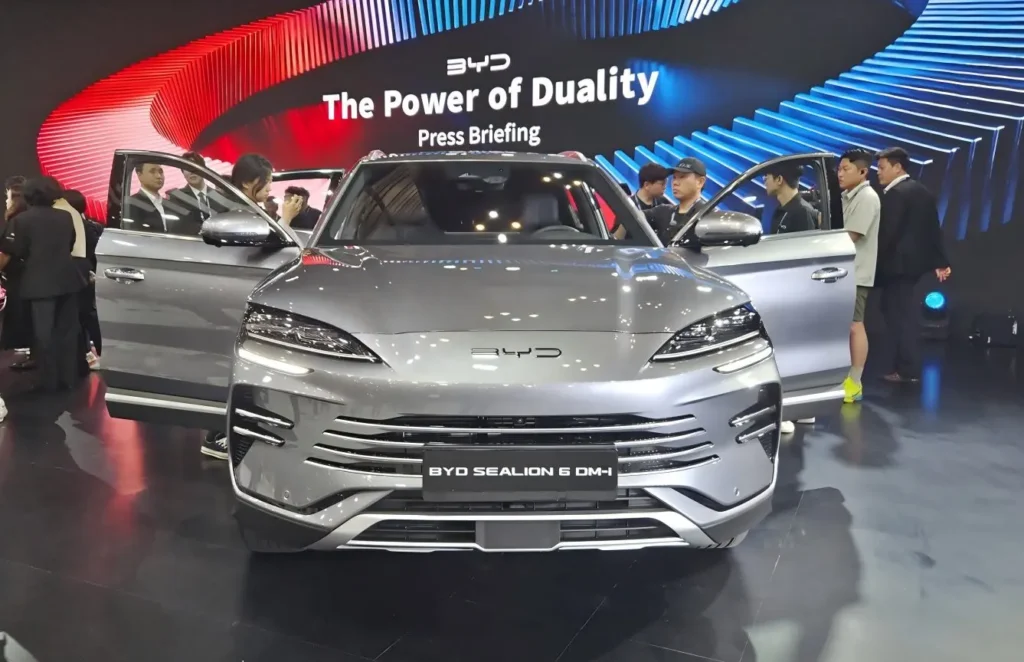
1. BYD Sealion 6 Korea: The Specs and the Price
BYD Sealion 6 Korea is the company’s first hybrid in Hyundai’s home market.
| Spec | Sealion 6 DM-i (Korea) |
|---|---|
| Price | 37.5 million won (~$24,430) |
| Engine | 1.5L turbo, 96 kW / 220 Nm |
| Motor | 150 kW / 300 Nm |
| Battery | 18.3 kWh Blade Battery (LFP) |
| EV range | Up to 70 km |
| DC fast charge | 18 kW, 30-80% in ~30 min |
| V2L | 3.3 kW output |
| Infotainment | 15.6-inch screen, Apple CarPlay / Android Auto |
The DM-i system runs on an “electric-first” philosophy — the engine extends range, it doesn’t dominate the drive. It switches between pure electric, series, parallel, and engine-only modes. An SUV that drives like an EV around town without needing a charger for Seoul-to-Busan trips.
The Sealion 6 is part of a global lineup that has moved over 1.1 million units. BYD has sold more than 8 million PHEVs since 2008. This is a proven platform, not an experiment.
2. The Busan Showdown: Hyundai in the Next Hall
The Busan Mobility Show on June 26 was a collision of strategies.
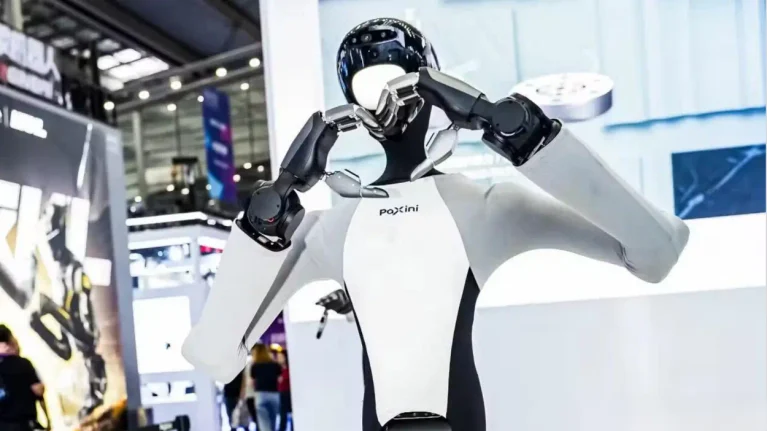
BYD pitched price: 37.5 million won for a mid-size PHEV SUV. Korean journalists reacted with “audible surprise.” Hyundai pitched technology: the eighth-gen Avante, AI-powered Pleos Connect, a generative AI assistant called Gleo. Hyundai AVP head Park Min-woo described cars that “continuously evolve, learning driver preferences.”
Hyundai CEO Jose Munoz acknowledged the Chinese challenge: “Chinese companies’ low-cost攻势 is intense. But we will focus on customer value, not enter a price-cutting competition.”
A Hyundai Tucson PHEV starts around 40 million won in Korea. The Sealion 6 undercuts it by roughly 2.5 million won — with more standard tech and a larger screen. Korean consumers, famous for cross-shopping specs on Naver, will notice.
3. Why Korea Matters
South Korea is the world’s fifth-largest auto market but deeply insular — Hyundai and Kia control 70%+ of domestic sales. BYD sold 6,107 cars in Korea in 2025. The 2026 target is over 10,000 — a 64% increase.
Breaking into Korea isn’t about volume. It’s about legitimacy. Win in Korea — where consumers are notoriously demanding — and you’ve proved your product can compete anywhere. Same logic behind Chinese automakers building factories worldwide: enter the hardest markets for credibility, not volume.
BYD Korea called 2025 a “honeymoon period.” 2026 is the “first year of a full-fledged leap.” A RWD Seal and Dolphin hatchback are coming next.
Author’s Take: The Busan show wasn’t about one SUV. It was about which strategy wins the global transition: Hyundai’s bet on software and AI creating premium value, or BYD’s bet that price opens the door and volume builds the brand. Hyundai has the harder argument. “We won’t compete on price” is a luxury few automakers can afford — especially when the competitor next door is selling a PHEV at $24,430 and just made 1.1 million of them.
The Bottom Line
BYD just planted a flag in the world’s fifth-largest auto market — at the same show where Hyundai was selling the future. The BYD Sealion 6 Korea launch matters less for the 10,000 sales it might generate than for the signal: China’s largest automaker is now competing in Hyundai’s living room. And it brought a price tag Hyundai can’t match without hurting margins. That’s not a launch. That’s a message.