
The Big Picture
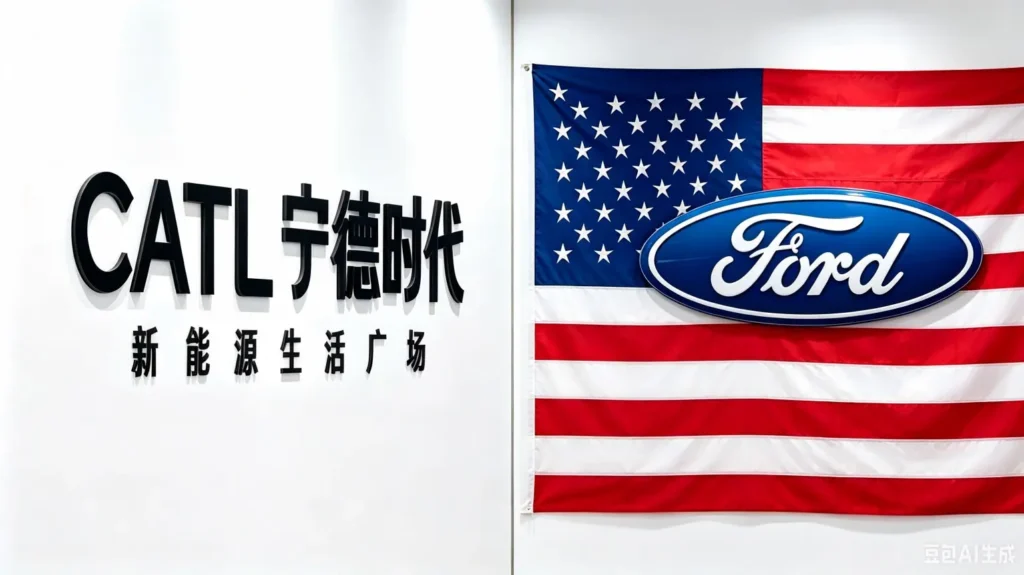
- CATL Ford US battery plant started production, CATL VP confirmed today. Tech-licensing model: CATL provides IP, Ford owns and operates.
- Same week as Polestar ban. June 25: Commerce Department blocked Polestar from US sales. CATL’s plant shows the workaround.
- US$2 billion, 20 GWh. Starting at 3.5 billion / 35 GWh, the project was scaled back due to political pressure, suspended, then restarted—and is now in mass production of LFP battery cells for Ford’s electric pick-up.
1. How the Tech-Licensing Model Works
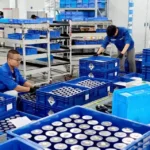
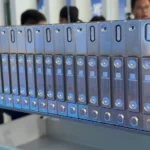
CATL Ford US battery plant has no CATL equity. No CATL staff on the floor. Ford owns the building, hires the workers. Output: prismatic LFP cells for Ford’s electric pickups.
What CATL provides: IP — cell chemistry, manufacturing process, quality control. VP Meng Xiangfeng calls it a “technical licensing service model.” The deliberate dullness is the point. This is the same company that just launched battery swap stations in Hong Kong and teamed up with Google, Xiaomi and BMW to write global battery standards — three plays, one strategy: own the standard, not just the product.
Ford confirmed June 17: first batch of LFP cells completed trial production. Testing to CATL’s quality standard — defect rate of one in a billion. First automotive-grade batteries due later this year.
2. A Project That Almost Died Three Times
February 2023: Ford announces $3.5B Michigan LFP plant, 35 GWh. Republican lawmakers question IRA subsidies flowing to CATL. Project suspended.
November 2023: restarts at 2B,20GWh.September2025:TrumpadministrationcancelsEVtransitionplans,endstaxcredits.Fordbooks∗∗19.5B impairment**.
The plant adapts — diversifies into energy storage. Congress asks more questions. Today: production is live.
3. Why This Model Matters
The Polestar ban showed that American manufacturing doesn’t protect a Chinese-owned brand. The Connected Vehicle Rule targets corporate control. For the broader picture of how Chinese automakers are navigating overseas expansion, the CATL-Ford deal is a case study in the shift from building factories to licensing capabilities. The Connected Vehicle Rule targets corporate control, not factory location.
CATL’s model sidesteps this entirely. No Chinese ownership. No Chinese workers. A licensing agreement — and America has licensed foreign tech since the industrial revolution.
CATL VP Meng: “Battery companies expanding overseas must prioritize compliance. Chinese firms must build robust regulatory capabilities and integrate into local communities.” Translation: the export model is dead. Export expertise, leave ownership local.
CATL is reportedly in talks with GM to replicate the model.
Author’s Take: The Polestar ban and the CATL-Ford production start happened five days apart. Polestar’s story: build cars in South Carolina, still get banned if your parent is Chinese. CATL’s story: license your tech to an American company, let them own the factory, produce batteries without triggering the rule. The difference isn’t national security — it’s who controls the asset. A Chinese company can supply the brain, but an American company has to own the body.
The Bottom Line
The CATL Ford US battery plant is producing cells in Michigan while Polestar gets kicked out. The difference is structure: CATL doesn’t own the plant — Ford does. CATL provided the recipe, Ford does the cooking. For every Chinese battery maker and automaker watching: don’t bring your factory to America. Bring your know-how, and let an American partner build the factory.